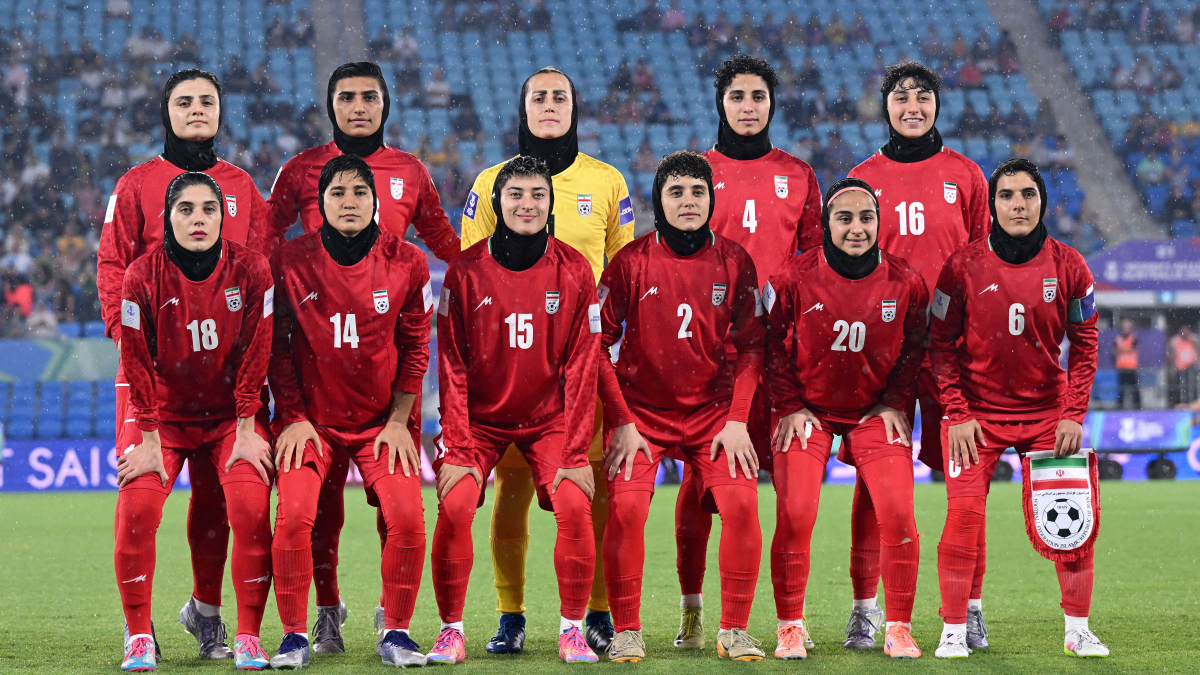
Australia has granted humanitarian visas to five Iranian women footballers who sought asylum, fearing persecution after refusing to sing their national anthem at an Asia Cup match.
Prime Minister Anthony Albanese said at a news conference in Canberra on Tuesday that Australians had been moved by the players’ courage.
"They’re safe here, and they should feel at home here," he added, a day after police helped extract the women from Iranian government minders.
The players were identified as Zahra Sarbali Alishah, Mona Hamoudi, Zahra Ghanbari, Fatemeh Pasandideh, and Atefeh Ramezanizadeh, and are staying at an undisclosed location under police protection.
Albanese confirmed that help is also available to other team members currently in Australia, though it is up to them to accept.
Television footage showed other Iranian players leaving their hotel in Gold Coast on a bus on Tuesday afternoon, though it was unclear who was on board or their destination.
Home Affairs Minister Tony Burke shared pictures with the five players after granting their visas, noting that fleeing was a difficult decision.
"Even though the offer continues to be there for other members of the team, it is quite possible and indeed likely that not every woman in the team will make a decision to take up the opportunity that Australia would offer to them," he said.
One of the footballers who came changed her mind shortly after recieving her visa and has gone back to Iran. Burke said Australia respected the decision of people being able to change their mind.
Burke later told parliament that two members of the Iranian delegation (a player and a support staff member) had initially accepted the government’s offer of assistance on Tuesday evening.
“One of the two who had made the decision to stay last night had spoken to some of the teammates who had left, and had changed her mind,” Burke said.
Authorities also moved the remaining players who sought protection to a safe location after the individual contacted the Iranian embassy, revealing their whereabouts.
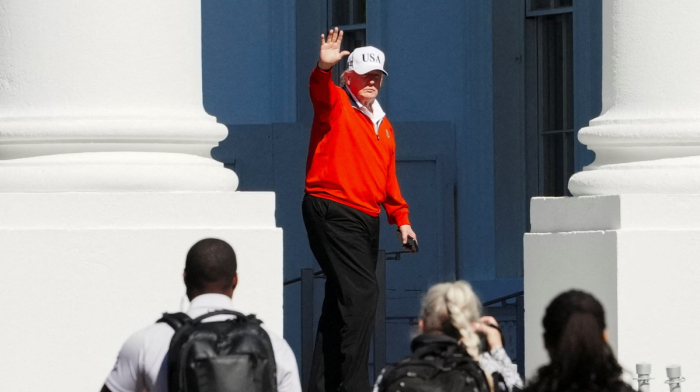
U.S. President Donald Trump praised the Australian government for its action, initially warning that the women would face danger if sent home, but later commending Albanese for handling the situation delicately. Albanese said Trump had called him early Monday to discuss the visas.
Trump said members of the team would "likely be killed" if forced to return to Iran. "The U.S. will take them if you won’t," he added.
Concerns for the team’s safety emerged after Iranian state media labelled the players "wartime traitors" for remaining silent during the national anthem in their first match against South Korea. The team later performed the anthem before their second match against Australia, raising fears that they were acting under coercion.
The women’s football union FIFPRO stressed the importance of ensuring all players know their rights and remain safe, particularly those still in Iran.
Reports suggest other team members may attempt to leave Australia via Malaysia or Turkey, after the UAE reportedly blocked their return.
This is not the first time Australia has offered refuge to female athletes at risk. In 2021, the government granted emergency humanitarian visas to more than 20 members of the Afghanistan women’s cricket team after the Taliban banned women from sport.









What is your opinion on this topic?
Leave the first comment