Kyrgyz president dismisses security ally in major power reset
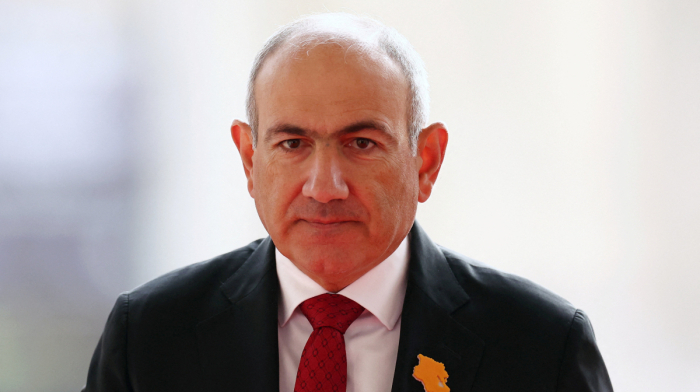
Kyrgyz President Sadyr Japarov has moved swiftly to consolidate his authority following the dismissal of his long-time ally Kamchybek Tashiev, head of...
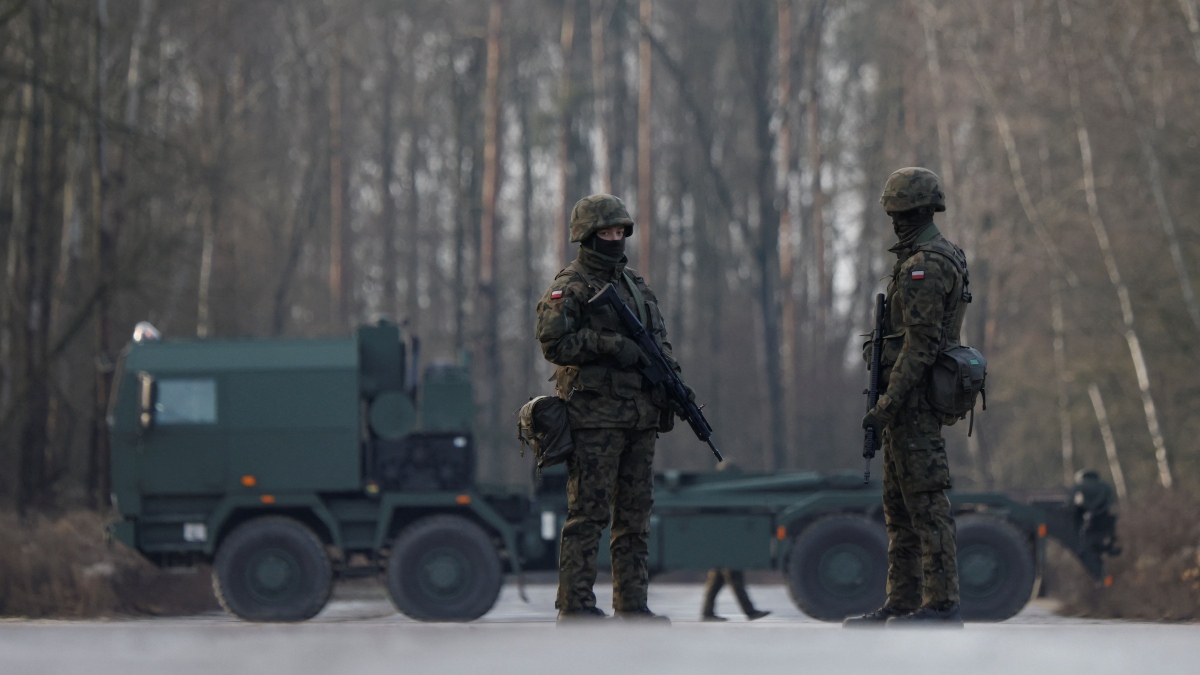
Poland plans to expand its armed forces to 500,000 by 2039, including 300,000 active-duty troops and 200,000 reservists, officials said Friday. The enlarged force would feature a new high-readiness reserve unit.
Currently, Poland’s army totals about 215,000 soldiers, excluding reservists, making it NATO’s third-largest. According to Defence 24, the force includes 154,000 professional soldiers, nearly 20,000 trained volunteers, and 37,000 in the territorial army.
The move comes amid ongoing tensions with Russia, following its full-scale invasion of Ukraine in February 2022 and subsequent attacks on Ukrainian cities and infrastructure. Poland, sharing a border with Ukraine, has accelerated military investments to deter potential threats, strengthen NATO’s eastern flank, and enhance national defence capabilities.
Poland plans to spend 5% of its GDP on defence in 2026. The army aims to develop multi-domain capabilities across land, sea, air, space, and cyberspace. Plans include expanding the use of drones, artificial intelligence, and advanced weapons designed for deterrence and punishment.
Officials described the initiative as a “key step towards long-term transformation” to ensure effective defence and credible deterrence against regional threats. The programme reflects Poland’s broader effort to modernise its armed forces and prepare for emerging security challenges in Europe.

U.S. Ambassador to NATO Matthew Whitaker said China has the power to bring an end to Russia’s war in Ukraine, arguing that Beijing is enabling Moscow’s military campaign.
Austria’s Janine Flock won the gold medal in the women’s skeleton event at the Milano-Cortina 2026 Winter Olympics on Saturday.
Iran’s Supreme National Security Council Secretary Ali Larijani said the United States could evaluate its own interests separately from those of Israel in ongoing negotiations between Tehran and Washington.
U.S. Secretary of State Marco Rubio on Sunday (15 February) called it “troubling” a report by five European allies blaming Russia for killing late Kremlin critic Alexei Navalny using a toxin from poison dart frogs.
Ukrainian President Volodymyr Zelenskyy said on Saturday that Russia’s decision to change the leadership of its delegation for upcoming peace talks in Geneva appeared to be an attempt to delay progress.
Iran’s Revolutionary Guards navy held military exercises in the Strait of Hormuz on Monday (16 February), state-linked media reported. The drill took place a day before renewed nuclear negotiations between Tehran and Washington in Geneva.
A man accused of carrying out Australia’s deadliest mass shooting in nearly three decades appeared briefly in a Sydney court on Monday (16 February), facing terrorism and murder charges over the 14 December attack on a Jewish Hanukkah celebration at Bondi Beach that left 15 people dead.
The 2026 Munich Security Conference (MSC) unfolded over three intense days in Munich, confronting a defining question of our era: has the post-Second World War international order collapsed - and if so, what will replace it?
The United States has carried out its first air transport of a nuclear microreactor on a cargo plane, flying the unit from California to Utah in a demonstration designed to show the technology can be rapidly deployed for military and civilian use.
Start your day informed with AnewZ Morning Brief: here are the top news stories for the 16th of February, covering the latest developments you need to know.
You can download the AnewZ application from Play Store and the App Store.
What is your opinion on this topic?
Leave the first comment