More than 100,000 return to Afghanistan from Iran and Pakistan in two weeks
More than 100,000 people entered Afghanistan from Iran and Pakistan between 19 July and 1 August, increasing pressure on communities and humanitarian ...
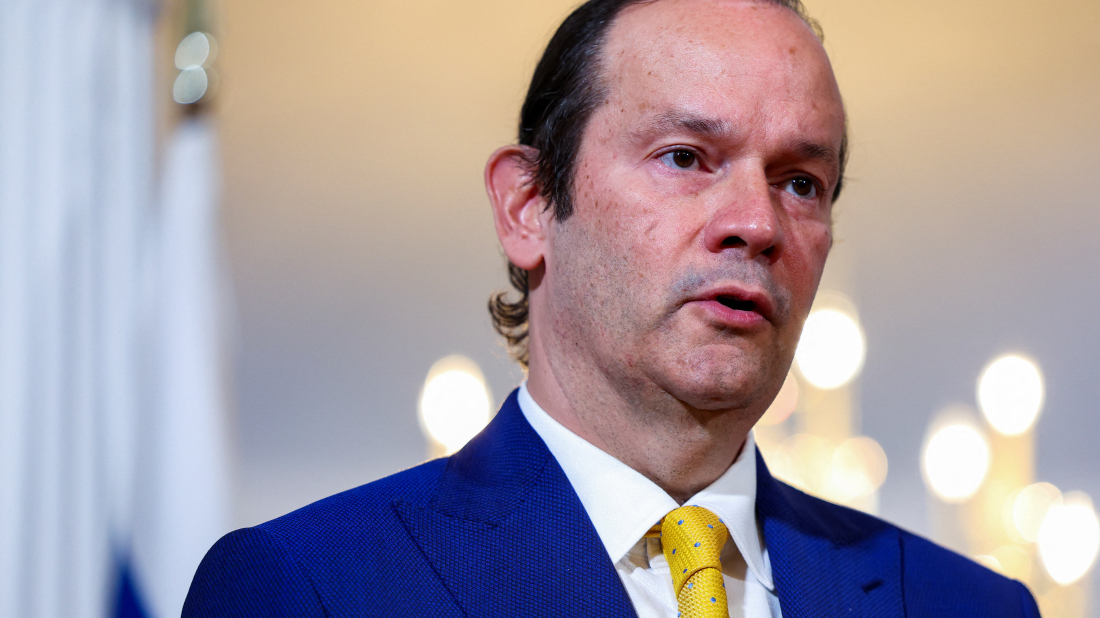
Panama’s Foreign Minister, Javier Martinez-Acha, reaffirmed the country's unwavering control over the Panama Canal, rejecting U.S. President-elect Donald Trump’s threats of potential intervention and denying any financial offer regarding the waterway.
Panama’s Foreign Minister, Javier Martinez-Acha, reaffirmed the country’s firm control over the Panama Canal on Tuesday, dismissing U.S. President-elect Donald Trump’s threats of military or economic intervention.
In a press conference, Martinez-Acha stressed that Panama’s sovereignty over the canal is “non-negotiable,” describing it as an “irreversible conquest” and part of the nation’s historical struggle. He emphasized that the canal’s mission is to serve humanity and global trade, and Panama would continue to ensure its operation remains under Panamanian control.
“There is no offer, no kind of proposal. The canal is Panamanian and will continue to be so,” Martinez-Acha declared, directly addressing Trump’s recent comments about potential financial offers.
Martinez-Acha’s statement comes after Trump’s recent remarks calling for possible military or economic intervention regarding the Panama Canal, a key global shipping route. The Foreign Minister also reiterated that Panama is open to dialogue, investments, and good relations, but made it clear that the country’s sovereignty remains a priority.
Panama's stance has received strong support, signaling the country’s commitment to protecting its control over the canal, which has been a symbol of its national pride since its handover from the United States in 1999.

Start your day informed with AnewZ Morning Brief. Here are the top news stories for the 5th of August, covering the latest developments.
U.S. President Donald Trump said there was an "all-day negotiation" on Tuesday with Iran, characterising the talks positively while also threatening to hit Iran "really hard" if a deal was not reached.
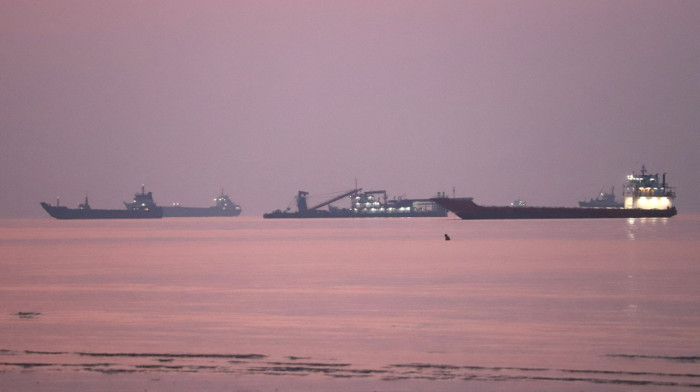
Shipping traffic through the Strait of Hormuz and the Bab el-Mandeb Strait, two key maritime chokepoints in the region, decreased significantly from the previous day, according to shipping data.
Start your day informed with AnewZ Morning Brief. Here are the top news stories for the 6th of August, covering the latest developments.
Kazakhstan’s main oil export corridor was disrupted by drone strikes near Russia’s Black Sea coast in July, forcing a temporary suspension of crude loadings and raising fresh concerns over the vulnerability of regional energy infrastructure to the war in Ukraine.
Türkiye's ruling alliance on Wednesday (5 August) submitted a bill to parliament aimed at advancing peace with the outlawed PKK by offering legal protections to former militants who disarm.
Ukraine has warned that its ability to defend against Russian missile attacks is weakening as Moscow appears to be expanding its missile arsenal ahead of a possible winter campaign targeting critical infrastructure.
Azerbaijan and Ukraine are seeking to deepen cooperation in energy, reconstruction and trade, with Baku signalling its readiness to supply natural gas to Ukraine and expand its role in rebuilding projects following high-level talks in Kyiv.
Ukraine’s National Security and Defense Council (NSDC) has approved Kyiv’s Resilience Plan for the autumn-winter season, aimed at strengthening the capital’s ability to withstand continued Russian attacks and ensuring the uninterrupted operation of critical services.
The UK government announced a new package of sanctions on Thursday (6 August) aimed at disrupting Russia's financial sector and oil exports, expanding pressure on Moscow more than four years after its full-scale invasion of Ukraine.
You can download the AnewZ application from Play Store and the App Store.
What is your opinion on this topic?
Leave the first comment