Australia is poised to launch the world’s strictest crackdown on youth internet usage, turning the country into a global petri dish for digital regulation just as schools break up for the long summer holidays.
From 10 December, the Australian government will enforce a ban on under-16s accessing major platforms, including TikTok, Alphabet’s YouTube, Snapchat and Meta’s Instagram.
The legislation, championed by Prime Minister Anthony Albanese under the mantra that social media is "doing harm to our kids", places the onus on technology companies to enforce age limits using reasonable steps—potentially involving biometric estimation or government ID checks—or face fines of up to £26 million.
While international policymakers watch closely to see if the legislation succeeds where other jurisdictions have faltered, the immediate reality for Australian teenagers is a sudden digital cliff-edge.
More than one million under-16s will lose their accounts just nine days before the country shuts down for the long December-to-January summer break.
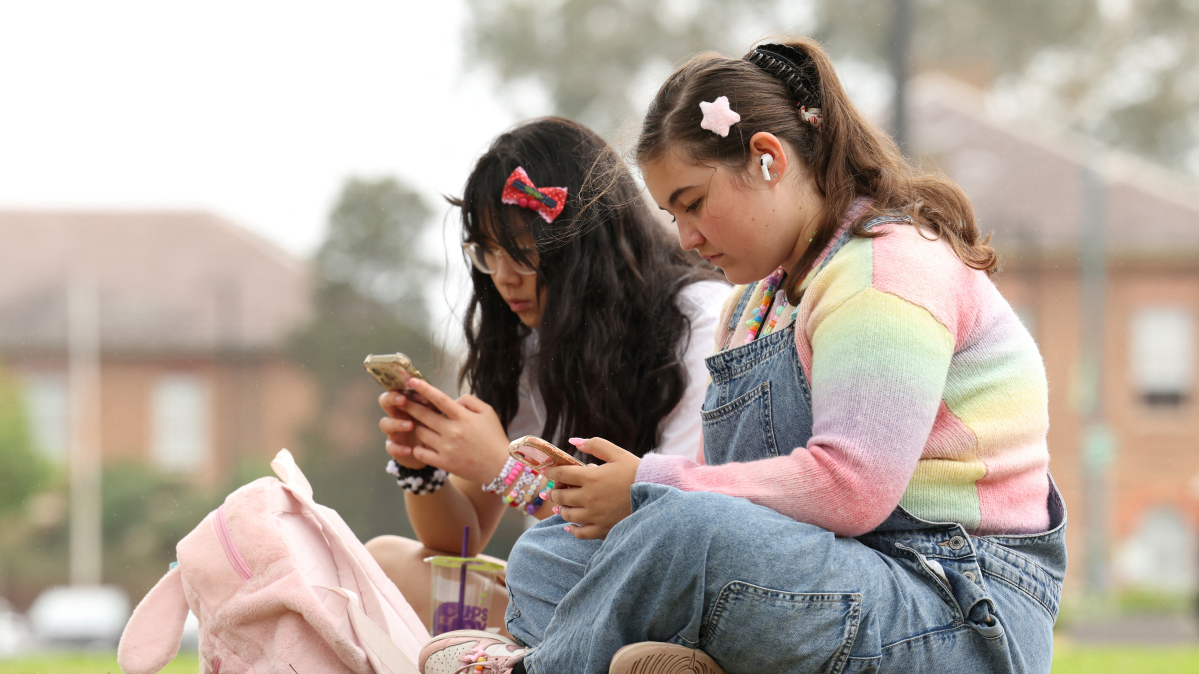
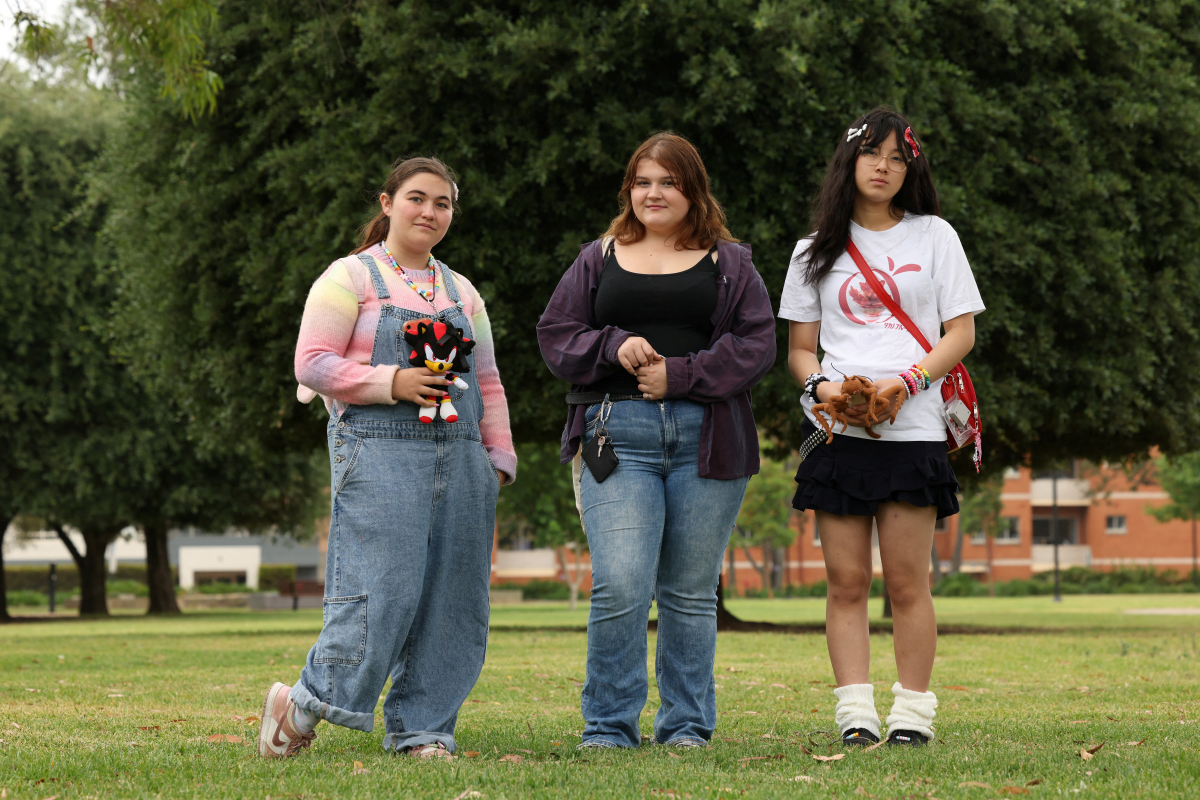
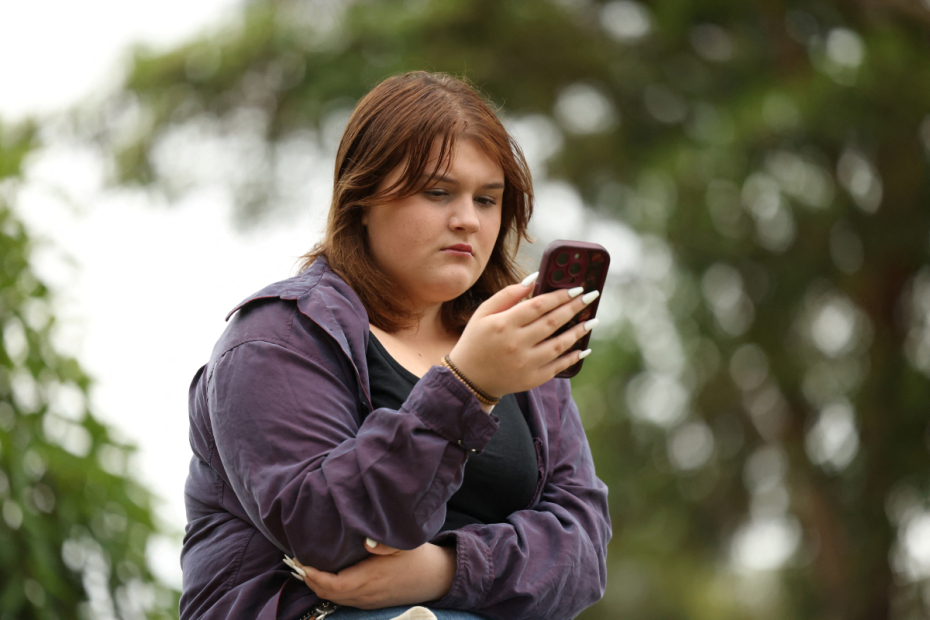
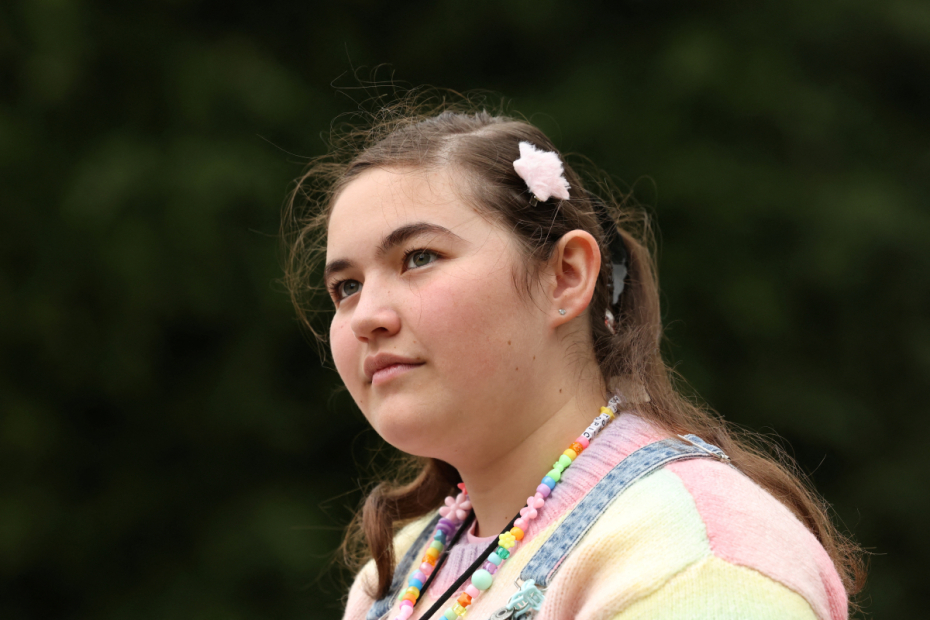
Sydney teenager Ayris Tolson believes the start of her first summer holiday under the ban will be relatively easy as she spends time with family, but as the weeks drift by, she fears being alone and isolated.
"You're basically isolated for about six weeks during the school holidays," Tolson, 15, told Reuters.
"As it continues on, I will probably feel more attached to social media. It's not such a good time."
‘Cold turkey’ summer
Mental health experts warn that enforcing a ban immediately before the longest school holiday of the year may worsen the shock for teenagers who rely on the technology for socialisation and will not have the grounding routines, or institutional supports, of the classroom.
The "cold turkey" effect of no school and no social media will be especially pronounced for children in remote locations—a significant demographic in Australia’s vast geography—or minority groups such as migrants and LGBTQI+ youth, who often lean on the internet for connection with like-minded communities.
While the government argues the ban will protect young people from bullying, harmful content and addictive algorithms, critics argue it cuts off a vital lifeline.
No quantitative studies show how many Australians under 16 use social media to access mental health services, but a 2024 survey by youth service ReachOut.com found 72% of those aged 16-25 use it to seek mental health advice, and nearly half use it to find professional help.
"If you were at school, there would have been a lot of conversation and chatter around it; it's a shared experience," said Nicola Palfrey, head of clinical leadership at headspace, a government-funded youth mental health service.
"If you've got more time on your hands and you're in your head quite a bit, if you're feeling quite anxious or worried or sad, that's the sort of thing where time alone with your thoughts is not ideal. It's those people that are starting to feel concerned."
Services brace for impact
The timing—a byproduct of the rush to pass the law through parliament before the year's end—is prompting urgent changes in youth services which rely on social media to reach vulnerable people.
Kids Helpline, a telephone and online counselling service, typically experiences a lull over the summer as school-related stress evaporates. This year, however, it is training 16 additional counsellors, an increase of 10%, for a possible deluge of referrals due to the ban, said its head of virtual services Tony FitzGerald.
"With young people being disconnected from being able to communicate, potentially, with each other on these platforms, that may actually increase anxiety," he said.
"We'll be making sure that we've got adequate counselling resources available to support that surge."
Lauren Frost, head of policy for the Youth Affairs Council Victoria, said she was receiving so many inquiries from youth organisations about how to function without social media that she was planning a new national body to discuss reaching young people offline. But over the holidays, even offline options will be in short supply.
"The interaction that young people have with teachers or support staff or youth workers will be less, so they won't be able to play that role of supporting young people through this time of transition," Frost said.
"They're feeling a lot of fear and a lot of anxiety."
Navigating the loopholes
The ban is not a blanket blackout of the internet. Services deemed "low risk" or educational, such as Google Classroom, YouTube Kids, and online gaming platforms, are exempt. Messaging services are also excluded, creating a complex digital landscape for teens to navigate.
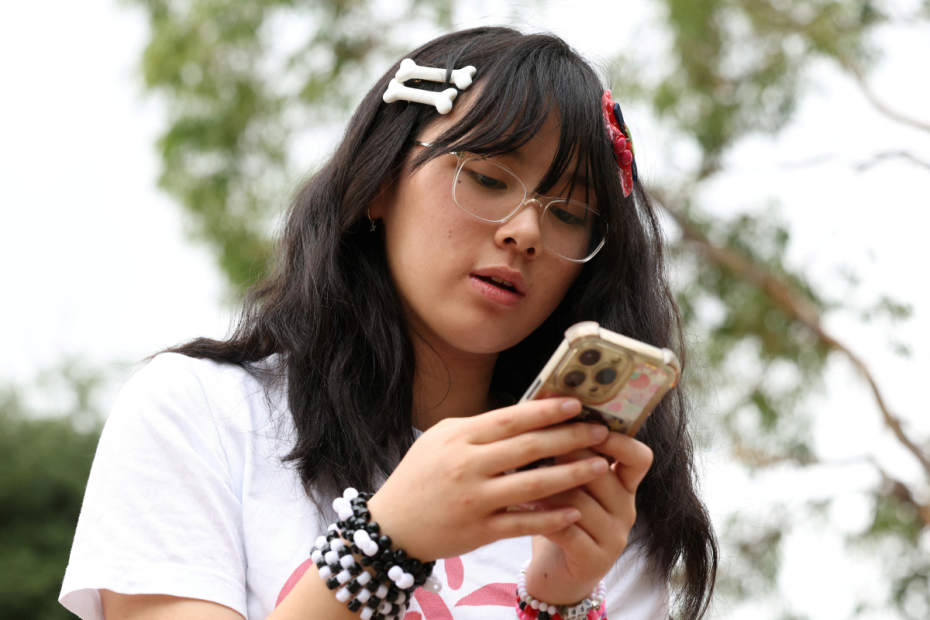
Annie Wang, 14, said she uses various social media apps but was not overly worried about the ban because she did most of her communicating on Discord, which is exempt as its primary purpose is messaging.
However, she noted the disparity for peers who rely on algorithmic feeds for connection. For those without Discord, she said, "They're basically just shut off from everyone, and they will be probably inside all of the school holidays, which is not good".
The government has committed to collecting two years of data following the ban to assess "benefits, but also the unintended consequences".
At a conference this month, eSafety Commissioner Julie Inman Grant—whose office is tasked with enforcing the new rules—acknowledged that some young people in marginalised groups "feel more themselves online than they do in the real world", and urged them to visit exempted online spaces, including those run by mental health services like headspace.
Meanwhile, at Fiona Stanley Hospital in Perth, a clinic treating addiction to gaming and social media is preparing to monitor for an uptick of presentations over the holidays, according to its head of mental health and addiction services, Daniela Vecchio.












What is your opinion on this topic?
Leave the first comment