Oil prices hit four year high: Latest news on the Middle East conflict on 9 March
Global oil prices reached a four year high on Monday (9 March), surpassing $...
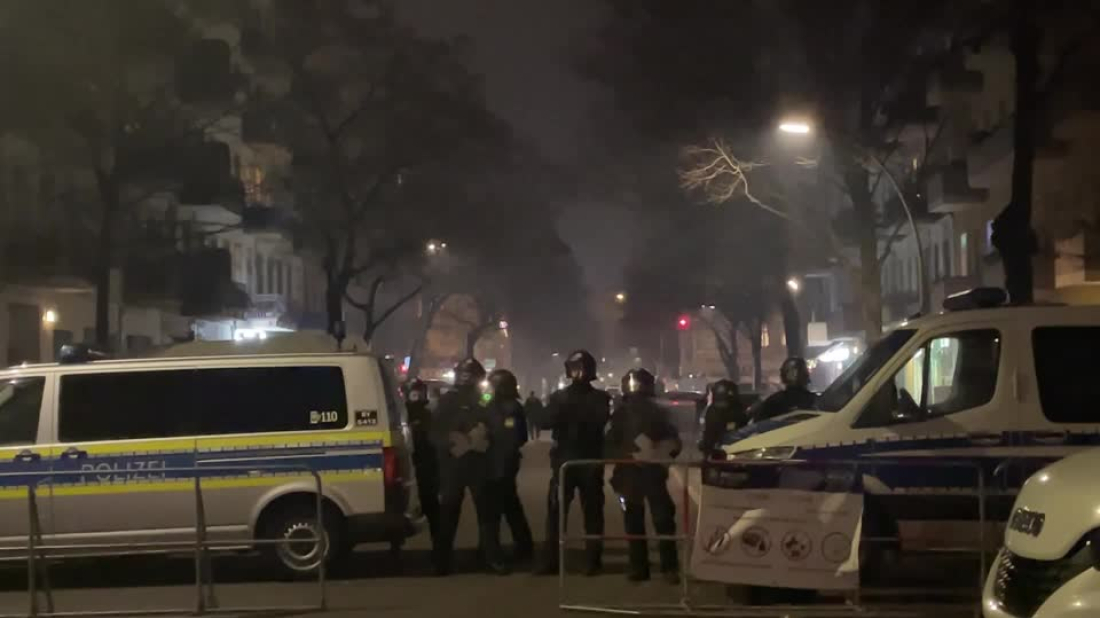
German government condemned a series of incidents on New Year’s Eve in which police officers and firefighters were attacked and injured, mostly with fireworks.
In Berlin 30 police officers and one firefighter were injured in confrontations or deliberate attacks during the festivities, prompting authorities to make 400 arrests.
To help manage the situation and prevent further violence, hundreds of police officers were deployed to the German capital from surrounding regions. Despite these efforts, the situation remained tense, with emergency services facing significant challenges throughout the night.
Tragically, five people were killed and hundreds more injured across the country after being struck by fireworks. Many of the injuries were caused by the use of large, illegal fireworks, which are not only dangerous for the general public but also present a significant threat to first responders.
In Berlin, explosions from these powerful illegal fireworks caused widespread damage, particularly in two neighborhoods.
Authorities are now grappling with the aftermath of what was meant to be a celebratory occasion, with concerns mounting over the safety of emergency workers and the general public.
While fireworks have long been a part of Germany's New Year’s traditions, there are increasing calls for stricter regulations or even a nationwide ban on the private use of fireworks.
With several incidents highlighting the dangers posed by these explosives, the German government and law enforcement agencies are expected to review safety measures and potentially introduce new policies to ensure the safety of both first responders and the public in future celebrations.

Mojtaba Khamenei, son of the late Ayatollah Ali Khamenei, is a hardline cleric with strong backing from the Islamic Revolutionary Guard Corps. His rise signals continuity in Tehran's anti-Western policies.
Trump says the United States "don’t need people that join wars after we’ve already won," targeting his criticism at UK Prime Minister Keir Starmer. Israel continues to fire missles at strategic sites in Iran and Gulf regions report more strikes from Iran.
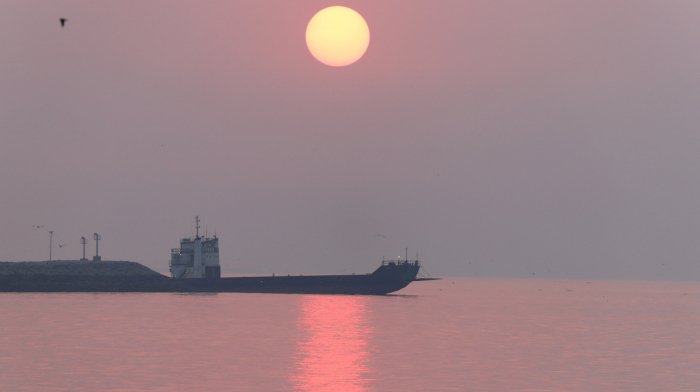
Global oil prices surpassed $119 a barrel on Monday (9 March, 2026), an almost four year high, as the Middle East conflict rumbled on.
Iran named Mojtaba Khamenei to succeed his father Ali Khamenei as supreme leader on Monday (9 March), signaling that hardliners remain firmly in charge, as the week-old U.S.-Israeli war with Iran pushed oil above $100 a barrel.
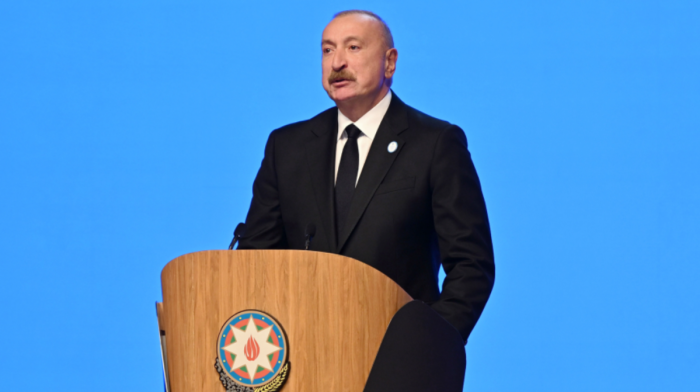
Entry and exit across the state border between Azerbaijan and Iran for all types of cargo vehicles, including those in transit, will resume on 9 March, according to a statement by the Cabinet of Ministers of Azerbaijan.
U.S. President Donald Trump and UK Prime Minister Keir Starmer spoke by phone on Sunday as tensions between Washington and Westminster deepened over the conflict involving Iran. The call came less than a day after Trump criticised Britain’s response to U.S. strikes on Iranian targets.
Norwegian police are searching for a suspect after an explosion at the U.S. embassy in Oslo on 8 March caused minor damage but no injuries, in what authorities say may have been a deliberate attack linked to the Middle East crisis.
An explosion damaged a synagogue in the Belgian city of Liège early on Monday (9 March) in what authorities said was an antisemitic attack that caused damage but no injuries.
The Group of Seven (G7) finance ministers will meet on Monday to discuss a global rise in oil prices and a joint release of oil from emergency reserves coordinated by the International Energy Agency, the Financial Times reports.
Start your day informed with AnewZ Morning Brief. Here are the top news stories for the 9th of March, covering the latest developments you need to know.
You can download the AnewZ application from Play Store and the App Store.
What is your opinion on this topic?
Leave the first comment