Eleven killed, dozens injured in major Russian attack across Ukraine
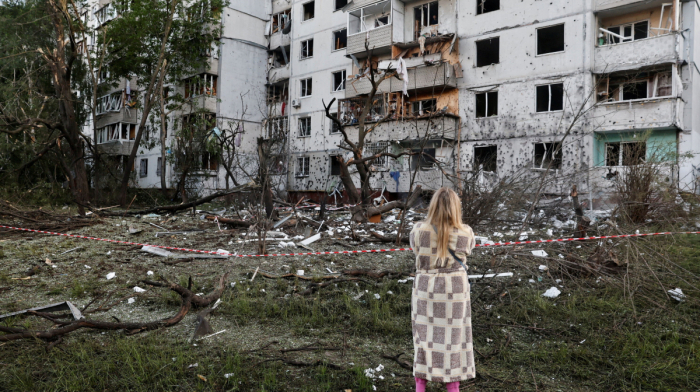
Russian drones and missiles pounded the Ukrainian capital Kyiv and other cities early on Tuesday, killing at least 11 people and wounding more than 10...
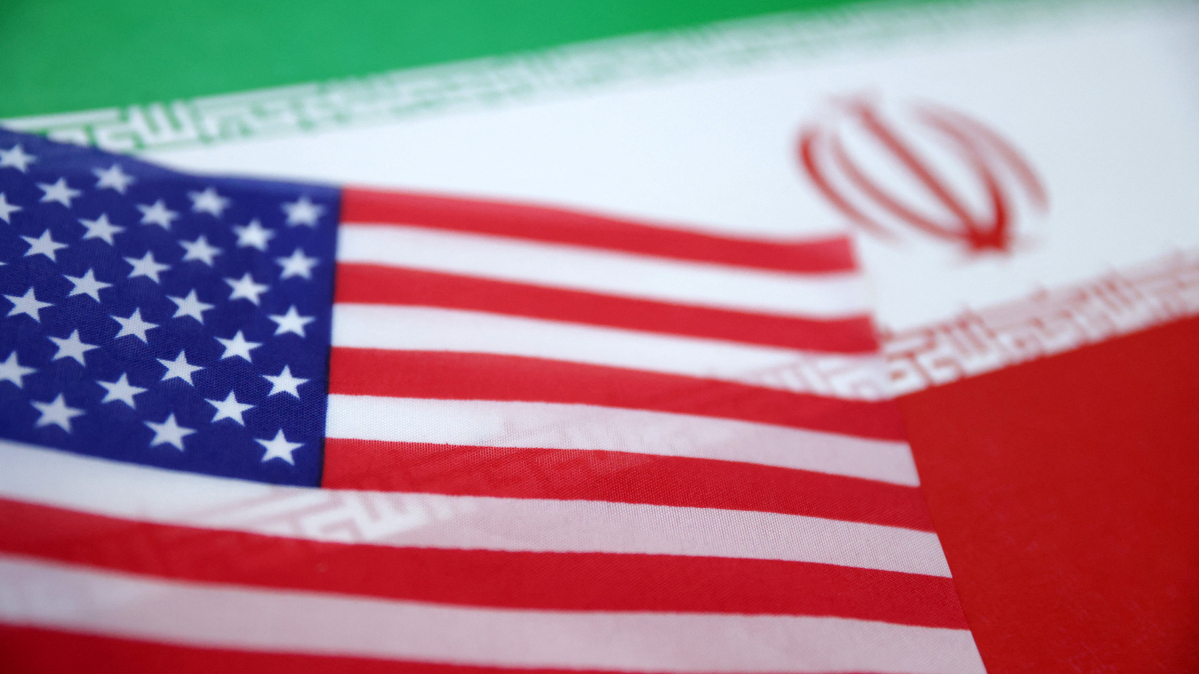
Iran is seeking a "peaceful" nuclear agreement with the United States to resolve a longstanding dispute but will not compromise on its national security, Deputy Foreign Minister Saeed Khatibzadeh said on Tuesday.
The United States, along with its European allies and Israel, accuses Tehran of using its nuclear programme as a cover to develop weapons capabilities. Iran insists that its nuclear programme is solely for peaceful purposes.
In October, President Donald Trump stated that the United States was ready to negotiate with Iran when Tehran was prepared, adding, "The hand of friendship and cooperation (with Iran) is open."
Washington accused of sending contradictory messages
Speaking at the 12th Abu Dhabi Strategic Debate, Khatibzadeh claimed that Washington was sending contradictory signals to Tehran regarding nuclear talks, often through third-party countries.
The two nations held five rounds of nuclear talks before a 12-day conflict between Iran and Israel in June, during which the United States joined the conflict by targeting key Iranian nuclear sites.
Reiterating Tehran's stance, Khatibzadeh accused Washington of "betraying diplomacy," noting that nuclear negotiations have stalled since the June war.
Significant differences remain between the two countries, particularly regarding uranium enrichment on Iranian soil. The United States insists on reducing it to zero to minimise the risk of weaponisation, a plan Tehran has rejected.
Supreme leader ruled out negotiations
Last week, Iran’s Supreme Leader Ayatollah Ali Khamenei, who has the final say on crucial state matters such as foreign policy and Iran’s nuclear programme, ruled out negotiations with the United States under coercion.
"Tehran is not seeking nuclear weapons and is prepared to provide assurances to the world regarding this. We are very proud of our indigenous nuclear programme," Khatibzadeh said.
U.S. rapper Kanye West, now known as Ye, performed to a crowd of 118,000 people in Istanbul on Saturday night, marking his first concert in Europe in more than a decade, despite being barred from performing in several countries over past antisemitic remarks.
Okinawa lost transport links and suffered widespread power outages on Monday (1 June) as Severe Tropical Storm Jangmi brought destructive winds and heavy rain to Japan's south-western islands.
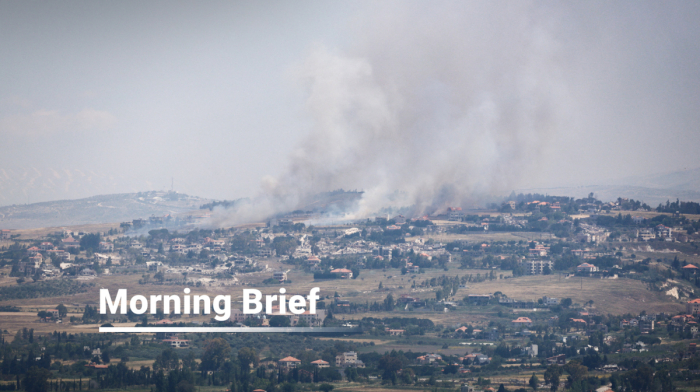
U.S. Secretary of State Marco Rubio has held talks with Lebanese President and Israeli Prime Minister on efforts to ease tensions between Israel and Lebanon. According to a U.S. official, Washington has proposed a plan aimed at achieving a gradual de-escalation of hostilities.
The World Health Organisation’s designation of the Bundibugyo Ebola virus outbreak as a Public Health Emergency of International Concern (PHEIC) is a stark reminder that Ebola remains a persistent global health threat rather than a disease of the past.
The United States has moved to close a regulatory gap that may have allowed advanced AI chips to reach Chinese-linked firms overseas despite export restrictions.
Russian drones and missiles pounded the Ukrainian capital Kyiv and other cities early on Tuesday, killing at least 11 people and wounding more than 100, authorities said, following days of warnings about Moscow's plans for a major assault.
Start your day informed with the AnewZ Morning Brief. Here are the top stories for the 2 June, covering the latest developments you need to know.
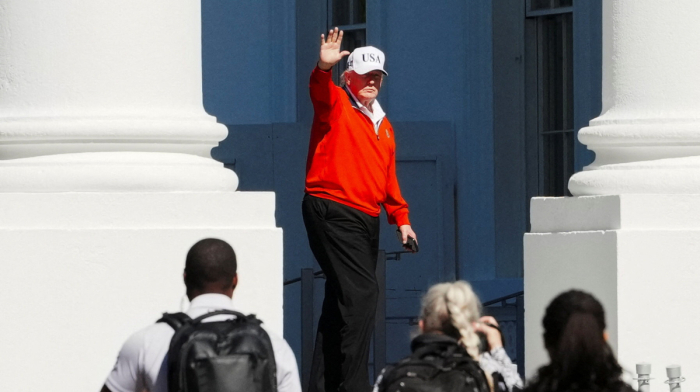
U.S. President Donald Trump said on Monday (1 June) that he held productive discussions with Israeli Prime Minister Benjamin Netanyahu and, through intermediaries, with the Iran-backed Hezbollah movement. He expressed optimism that a fragile ceasefire in Lebanon could hold despite hostilities.
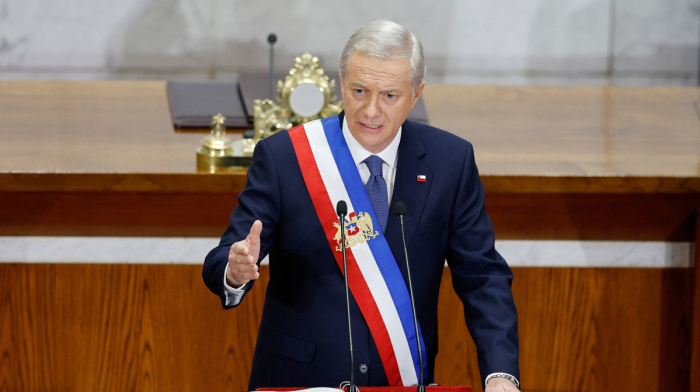
Chile's far-right President José Antonio Kast, who took office in March, promised a legislative agenda that prioritises fighting crime, cutting spending and boosting economic growth in his first national address on Monday.
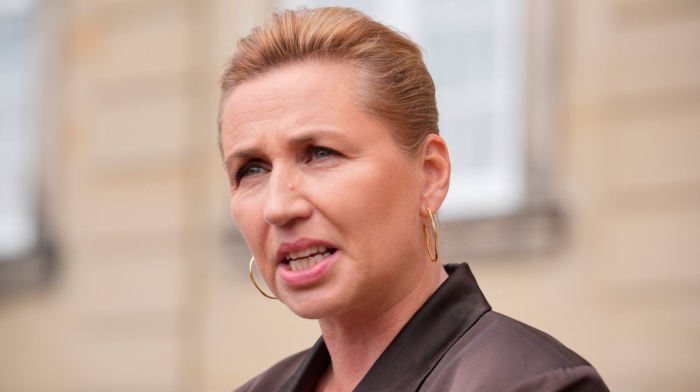
Denmark’s Social Democratic leader Mette Frederiksen said on Monday (1 June) she has agreed to form a new centre-left coalition government, securing a third consecutive term as prime minister amid heightened diplomatic tensions with the United States over Greenland.
You can download the AnewZ application from Play Store and the App Store.
What is your opinion on this topic?
Leave the first comment