Australia refuses to assist IS-linked citizens in Syrian camp
Australian Prime Minister Anthony Albanese said his government would not assist Australian families of suspected Islamic State (IS) militants return h...
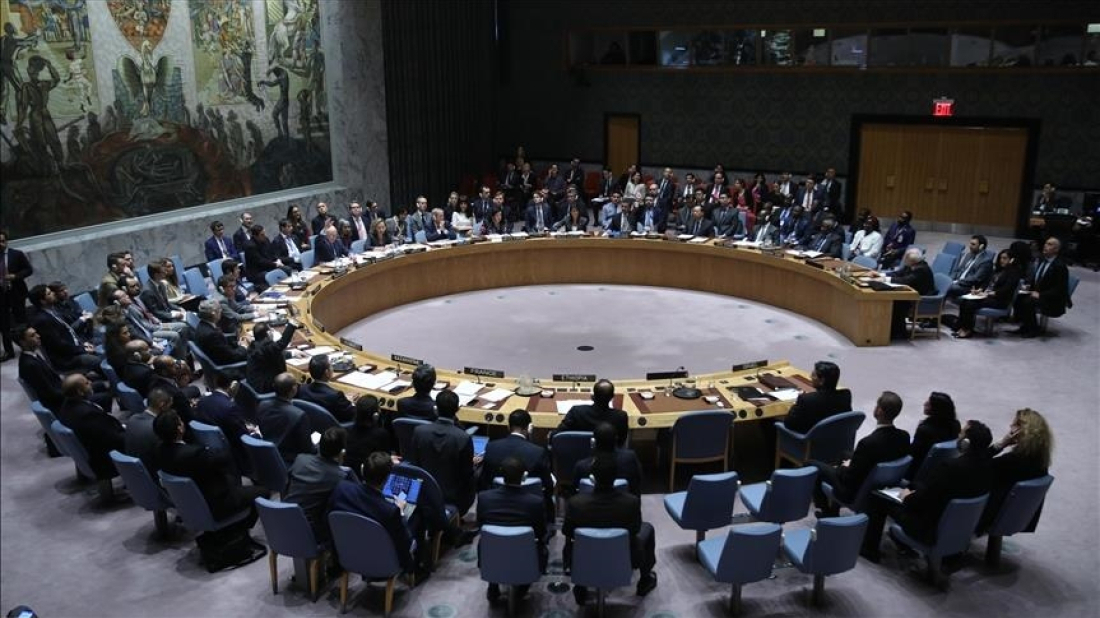
The UN Security Council on Friday vetoed a draft resolution submitted by Russia and China that sought to delay the “snapback” sanctions on Iran. The resolution received only four votes in favour, with nine members voting against and two abstaining.
The draft aimed to extend the 2015 Joint Comprehensive Plan of Action (JCPOA) on Iran’s nuclear programme until 18 April 2026 and postpone the implementation of the “snapback” mechanism triggered by France and the UK.
Ahead of the vote, Russia’s deputy envoy Dmitry Polyansky said the resolution “provides room to seek a solution acceptable to all parties.” China’s deputy envoy Geng Shuang added that the draft “does not aim to take sides between Iran and the E3,” noting its primary goal was to allow more time for diplomatic efforts.
Countries voting against the resolution included the U.S., UK, France, Germany, Denmark, Slovenia, Sierra Leone, Panama, Greece, and Somalia.
The E3 – the UK, France, and Germany – are signatories to the 2015 nuclear deal, which requires Iran to limit uranium enrichment and allow international inspectors to verify that its nuclear programme is solely for peaceful purposes.
Following U.S. and Israeli strikes on Iran’s nuclear facilities, Tehran halted cooperation with the International Atomic Energy Agency (IAEA). On 28 August, the E3 invoked the “snapback” mechanism under UN Security Council Resolution 2231, which will reinstate sanctions within 30 days if Iran fails to meet its obligations.

Iran’s Supreme National Security Council Secretary Ali Larijani said the United States could evaluate its own interests separately from those of Israel in ongoing negotiations between Tehran and Washington.
U.S. Secretary of State Marco Rubio on Sunday (15 February) called it “troubling” a report by five European allies blaming Russia for killing late Kremlin critic Alexei Navalny using a toxin from poison dart frogs.
Cuba’s fuel crisis has turned into a waste crisis, with rubbish piling up on most street corners in Havana as many collection trucks lack enough petrol to operate.
Norway is holding a commanding lead in the medal standings with 12 golds and a total of 26, with Italy having an historic performance on home soil on the ninth day of the Milano-Cortina Winter Olympics on Sunday (15 February).
Iran is pursuing a nuclear agreement with the U.S. that delivers economic benefits for both sides, an Iranian diplomat was reported as saying on Sunday (15 February), days before a second round of talks between Tehran and Washington.
Australian Prime Minister Anthony Albanese said his government would not assist Australian families of suspected Islamic State (IS) militants return home from a Syrian camp.
The Pentagon has threatened to designate artificial intelligence firm Anthropic as a “supply chain risk” amid a dispute over the military use of its Claude AI model, according to a report published Monday.
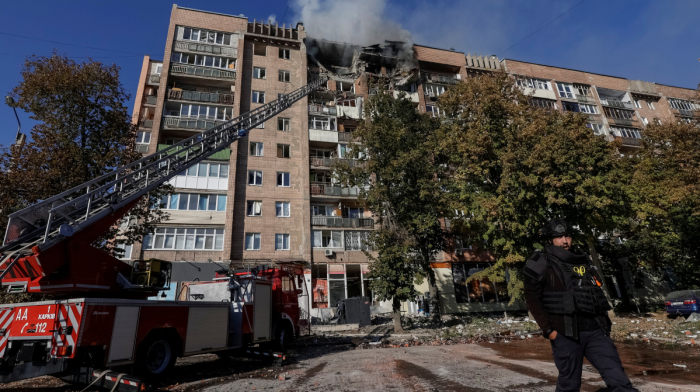
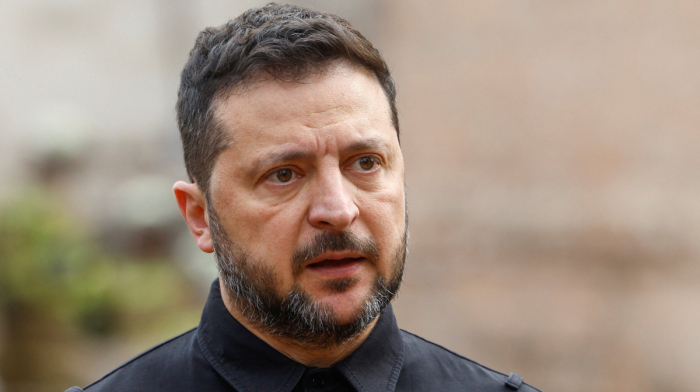
Representatives of Ukraine, Russia and the United States are set to meet in Geneva for a third round of trilateral negotiations aimed at ending the nearly four-year war, even as both sides intensify military pressure on the ground.
Canadian Prime Minister, Mark Carney, announced on 16 February that the Honourable Janice Charette has been appointed as the next Chief Trade Negotiator to the United States. She's been tasked with overseeing the upcoming review of the Canada-United States-Mexico Agreement (CUSMA).
Cuba’s fuel crisis has turned into a waste crisis, with rubbish piling up on most street corners in Havana as many collection trucks lack enough petrol to operate.
You can download the AnewZ application from Play Store and the App Store.
What is your opinion on this topic?
Leave the first comment