Kazakhstan’s first Kurultai elected: what happens next?
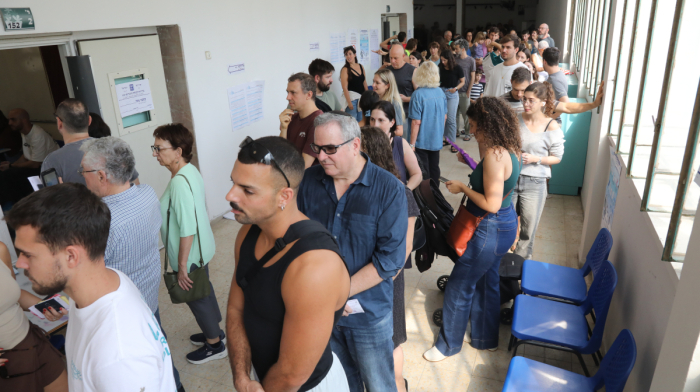
Kazakhstan has elected its first unicameral Kurultai, bringing into force a sweeping political overhaul launched less than a year ago. The vote mar...
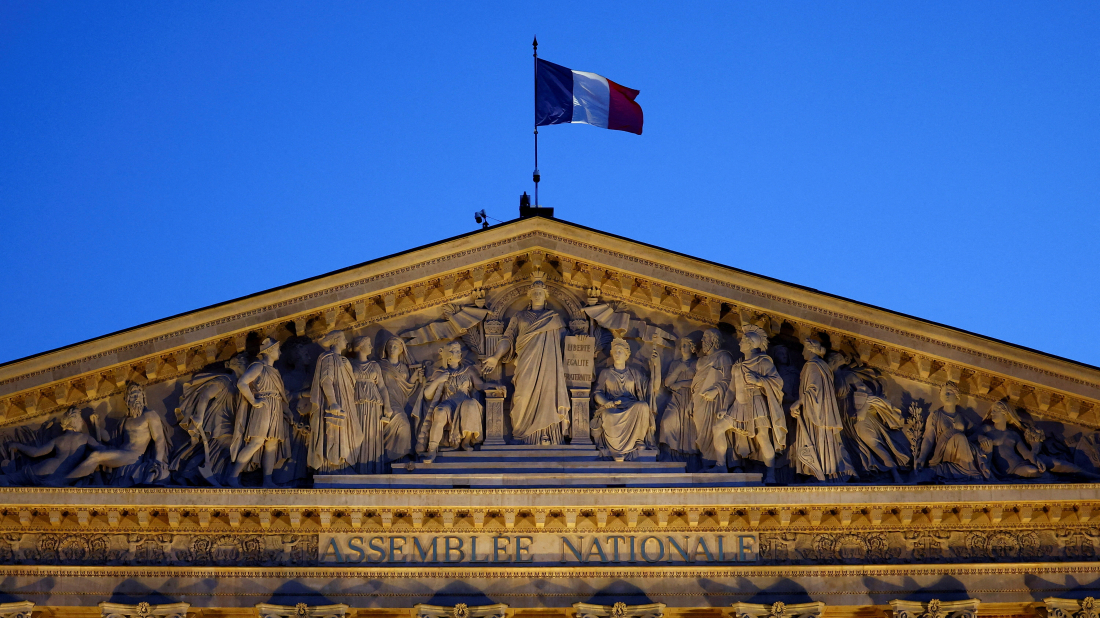
France is spearheading a new stage of international recognition for the State of Palestine, working with European and Asian countries following announcements by Britain, Canada, Australia, and Portugal.
French President Emmanuel Macron stressed in a video posted on X on Sunday, 21 September, that the move does not forget the victims of Hamas’ 7 October attacks or the thousands of Palestinians killed and injured in Israel’s retaliatory offensive.
Macron called for an immediate ceasefire, the release of hostages, and safe humanitarian aid access, emphasising the goal of peaceful coexistence between Israel and a sovereign Palestinian state.
Currently, 152 countries officially recognise Palestine, though this recognition remains largely symbolic. Practical steps, such as opening embassies or granting full United Nations membership, require Security Council approval, where permanent members such as the United States have historically signalled opposition.
France’s push follows the recognition of Palestine by Britain, Canada, Australia, and Portugal on Sunday, a move that angered Israel and challenges the traditional alignment of Western nations with Tel Aviv. Macron’s consultations with international partners aim to expand recognition while maintaining pressure for a diplomatic resolution in the region.
The coordinated effort comes amid nearly two years of conflict in Gaza and growing frustration over the humanitarian crisis.

Iran on Saturday denounced U.S. plans to announce new sanctions that could put further strain on the Islamic Republic's economy and have an impact on its most important trading partners including China.
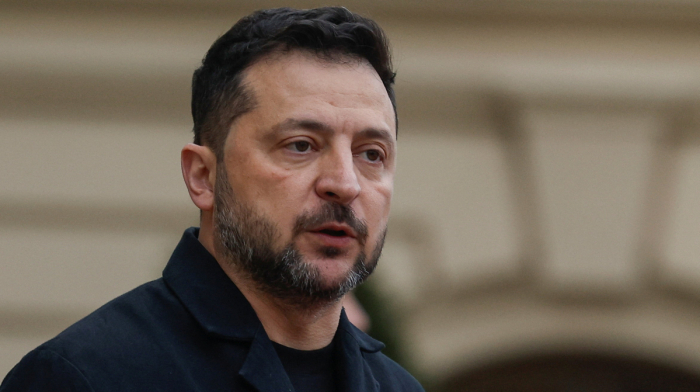
Ukraine’s President Volodymyr Zelenskyy said on Monday that Kyiv wants peace but will not surrender to Russia, as foreign leaders joined Independence Day events marking 35 years since Ukraine’s independence.
A newly created pro-government political party has secured a commanding victory in Kazakhstan's snap parliamentary election, according to exit polls, strengthening President Kassym-Jomart Tokayev's influence at a pivotal moment in the country's political transition.
Ukrainian President Volodymyr Zelenskyy has rejected calls for a wartime election, arguing that holding a vote while Russia's full-scale invasion continues would divide the country and undermine national unity.
Only four commodity vessels crossed the Strait of Hormuz on Sunday, following 13 transits a day earlier, as disruptions continue to restrict traffic through the key energy chokepoint.
Ukraine’s President Volodymyr Zelenskyy said on Monday that Kyiv wants peace but will not surrender to Russia, as foreign leaders joined Independence Day events marking 35 years since Ukraine’s independence.
Online fast-fashion retailer Shein is seeking to raise up to $1.77 billion in a Hong Kong IPO after its valuation fell around 70 per cent from its private-market peak four years ago.
Start your day informed with AnewZ Morning Brief. Here are the top news stories for the 24th of August, covering the latest developments.
New Zealand Prime Minister Christopher Luxon said on Monday that his party will introduce a bill to ban children under 16 from using social media. The proposal would allow fines of up to 10 per cent of a platform’s global revenue for non-compliance.
Icelanders will vote on Saturday, 29 August, on whether to resume negotiations with the European Union, in a referendum that could reopen the country’s long-debated membership question.
You can download the AnewZ application from Play Store and the App Store.
What is your opinion on this topic?
Leave the first comment