Banished from Eurovision, Russia will launch the final of its own international song contest at President Vladimir Putin's behest on Saturday, with a Soviet-era name and acts intended to promote "traditional family values".
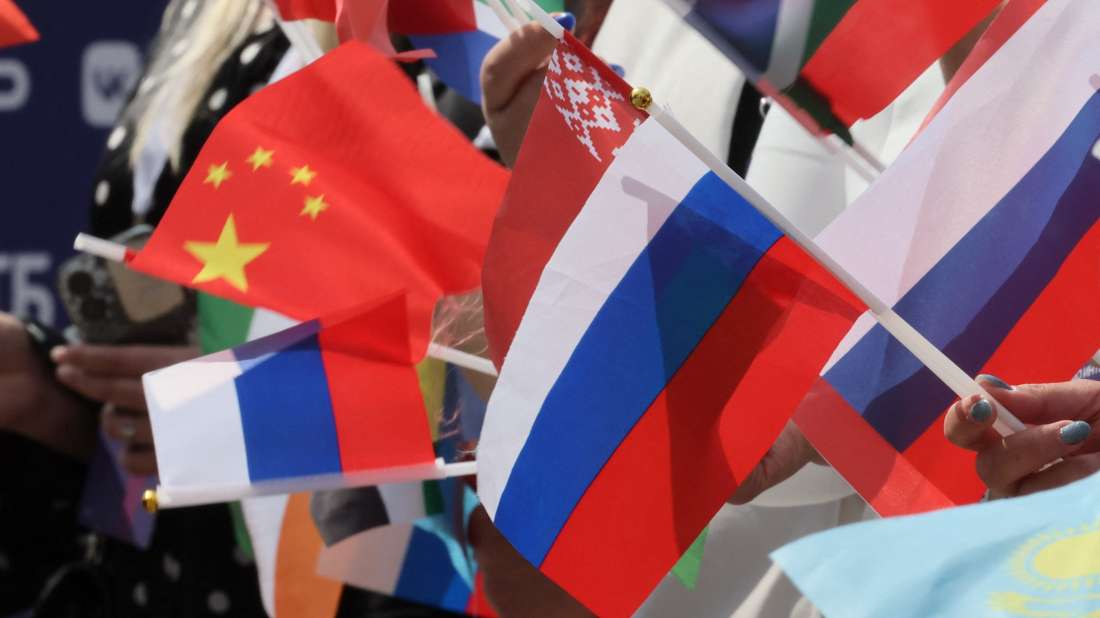
Singers at "Intervision" will hail from 23 countries accounting for more than half the world's population, including China, India and Brazil, and compete for a cash prize of 30 million roubles ($360,000).
Russia has been excluded from the Eurovision song contest since Putin ordered tens of thousands of troops into Ukraine in 2022. This year, Putin announced his rival contest, with a top Kremlin aide named to head the supervisory board. Kyiv has called the event "an instrument of hostile propaganda".
The show will be broadcast live on Russian television. The Russian organisers say it will also be available either over the internet or on TV in other countries with a combined population of more than 4 billion people, although they have not released a list of foreign broadcasters that plan to carry it.
Songs can be performed in any language. A professional jury of representatives from each country will decide the outcome, rather than the viewing public.
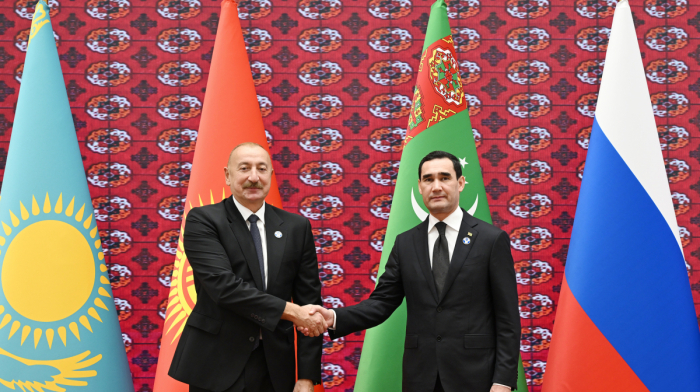
Intervision revives the name of a music contest that Moscow used to stage in the Soviet era with its Eastern European satellite states. The new version will feature acts from countries Russia now considers friendly, including Belarus, Cuba, Qatar, Saudi Arabia, South Africa, the UAE and Venezuela.
Serbia is the only country to take part in both Eurovision and Intervision. The United States will also be represented, by an Australian-born artist called "Vassy", after U.S.-born R&B singer Brandon Howard dropped out at the last minute citing family reasons.
In contrast to Eurovision's famed kitsch, Intervision's Russian organisers say they propound "traditional, universal and family values".
Foreign Minister Sergei Lavrov told a pre-contest news conference that Moscow had not banned Russians from watching Eurovision, but felt there was room too for what he called "alternative approaches to preserving traditions and national cultures, as well as religious, spiritual and moral constructs that we have inherited from our ancestors".
"If this enjoys great demand, that only makes up happy. But we do not dispute the right of the jury or Eurovision viewers to vote for a bearded man in a dress," he said, an apparent reference to Eurovision's 2014 winner, Austrian drag queen Conchita Wurst.
In Russia, stringent rules ban any actions deemed to promote homosexuality, and "the international LGBT public movement" is branded an extremist organisation.
Russia took part in Eurovision 23 times from 1994 and won it in 2008 with the song "Believe" by Dima Bilan.
Moscow will be represented at Intervision by "Shaman", whose real name is Yaroslav Dronov, with a Russian-language song called "Straight to the Heart".
Dronov, who once simulated detonating a nuclear bomb on stage, has ridden a wave of war-fuelled patriotism with songs such as "I am Russian" to become a staple on Russian state TV.













What is your opinion on this topic?
Leave the first comment