U.S. and Iran exchange threats - Tuesday, 10 March
Tensions in the region remained high on Tuesday (10 March), as the United States and Iran exchanged increasingly sharp warnings, including thr...
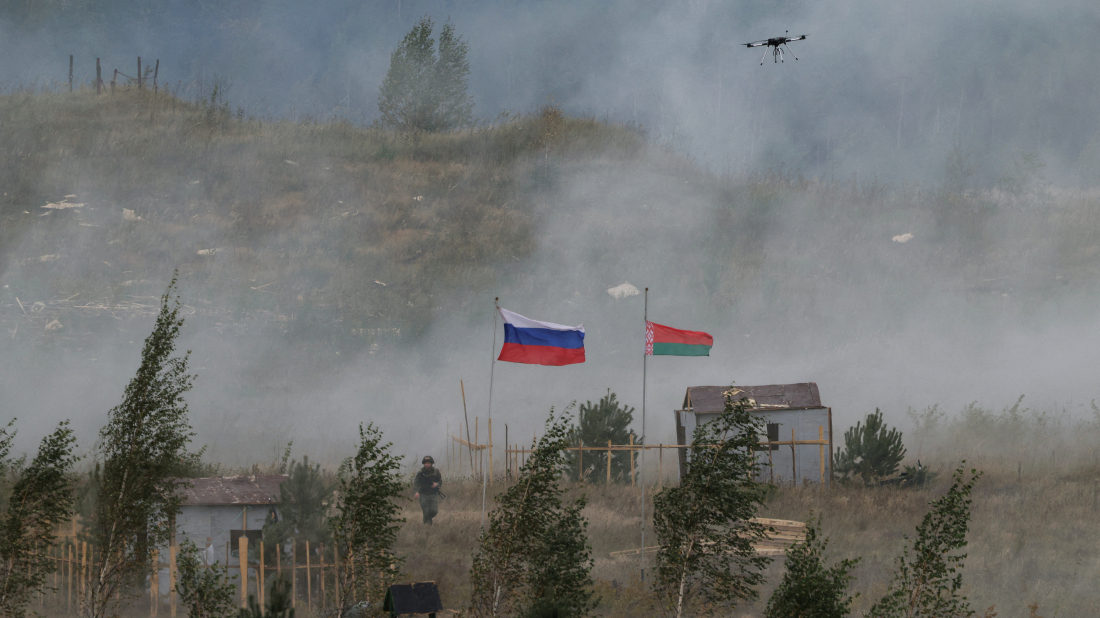
Finland is closely watching Russia’s ongoing Zapad-2025 military exercises in Russia, Belarus, and the Baltic and Barents Seas, Finnish Defence Forces (FDF) commander Janne Jaakkola said on Monday.
Speaking at the National Defense Course in Helsinki, Jaakkola warned the exercises could signal Russia’s wider ambitions and stressed they come during a tense period as Moscow continues its strikes in Ukraine.
“We remember how Zapad 21 was used as a framework for preparations for the war in Ukraine,” he said, noting troops remained in training areas after the 2021 exercise.
Jaakkola cautioned that unexpected developments could occur, highlighting that around 13,000 troops are reported to participate, though past drills involved far higher numbers than initially announced. He also flagged Russia’s recent airspace violations over Poland and Romania and stressed the need for new responses to cheap drone threats.
The Zapad-2025 military drills, running through to the 16th of September, are designed to test Russia and Belarus’ ability to repel an enemy attack, retake lost territory, and secure the borders of what they call their Union State, according to Russian and Belarusian Defence Ministries. Russia said the exercises will play out in two phases, with the first phase focused on defensive operations and the second on offensive manoeuvres.
Finnish Defence Minister Antti Hakkanen said Finland and U.S. forces will conduct extensive joint training this autumn, with more U.S. personnel expected in Finland on land, sea, and in the air. He described Russia as “weak but dangerous,” noting that President Vladimir Putin may increasingly rely on China and North Korea.
Finland shares the EU’s longest border with Russia, a frontier historically fortified following the 1939 Soviet invasion.

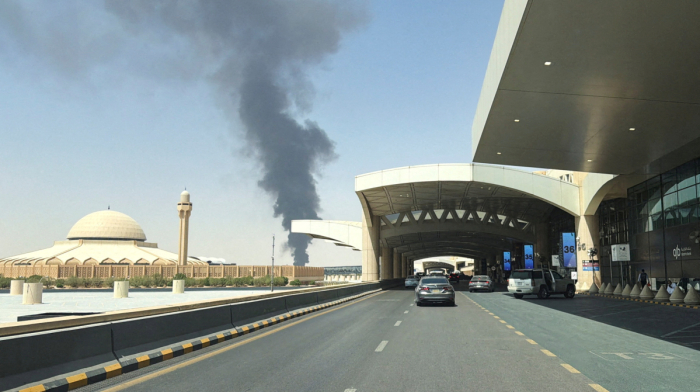
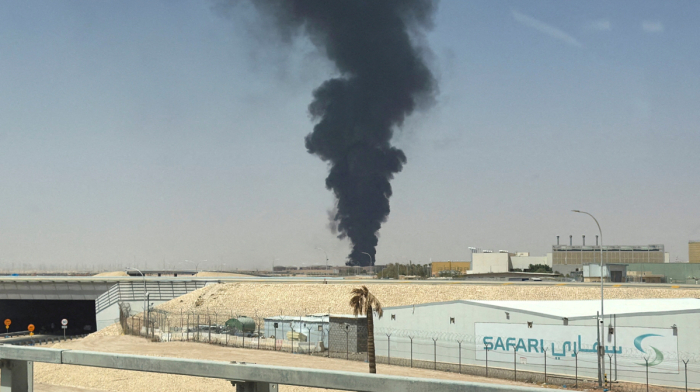
Tensions in the region remained high on Tuesday (10 March), as the United States and Iran exchanged increasingly sharp warnings, including threats over the strategic Strait of Hormuz, a critical artery for global oil supplies.
Global oil prices surpassed $119 a barrel on Monday (9 March, 2026), an almost four year high, as the Middle East conflict rumbled on.
China has urged Afghanistan and Pakistan to resolve their dispute through dialogue after Chinese envoy Yue Xiaoyong met Afghan Foreign Minister Amir Khan Muttaqi, as fighting between the two neighbours entered its eleventh day.
Entry and exit across the state border between Azerbaijan and Iran for all types of cargo vehicles, including those in transit, will resume on 9 March, according to a statement by the Cabinet of Ministers of Azerbaijan.
Iran named Mojtaba Khamenei to succeed his father Ali Khamenei as supreme leader on Monday (9 March), signaling that hardliners remain firmly in charge, as the week-old U.S.-Israeli war with Iran pushed oil above $100 a barrel.
U.S. Ambassador to the United Nations, Mike Waltz, has addressed the U.N. Security Council, saying the world must consider how effective its engagement with the Taliban-run country is as millions face hunger.
British MPs have rejected a proposal to introduce an Australia-style ban on social media for under-16s, opting instead to give ministers flexible powers to impose restrictions on platforms.
Australia has granted humanitarian visas to five Iranian women footballers who sought asylum, fearing persecution after refusing to sing their national anthem at an Asia Cup match.
Start your day informed with AnewZ Morning Brief. Here are the top news stories for the 10th of March, covering the latest developments you need to know.
U.S. President Donald Trump called his recent phone conversation with Russian President Vladimir Putin “very good.” The two leaders spoke on Monday about the situation in Iran and other international issues.
You can download the AnewZ application from Play Store and the App Store.
What is your opinion on this topic?
Leave the first comment