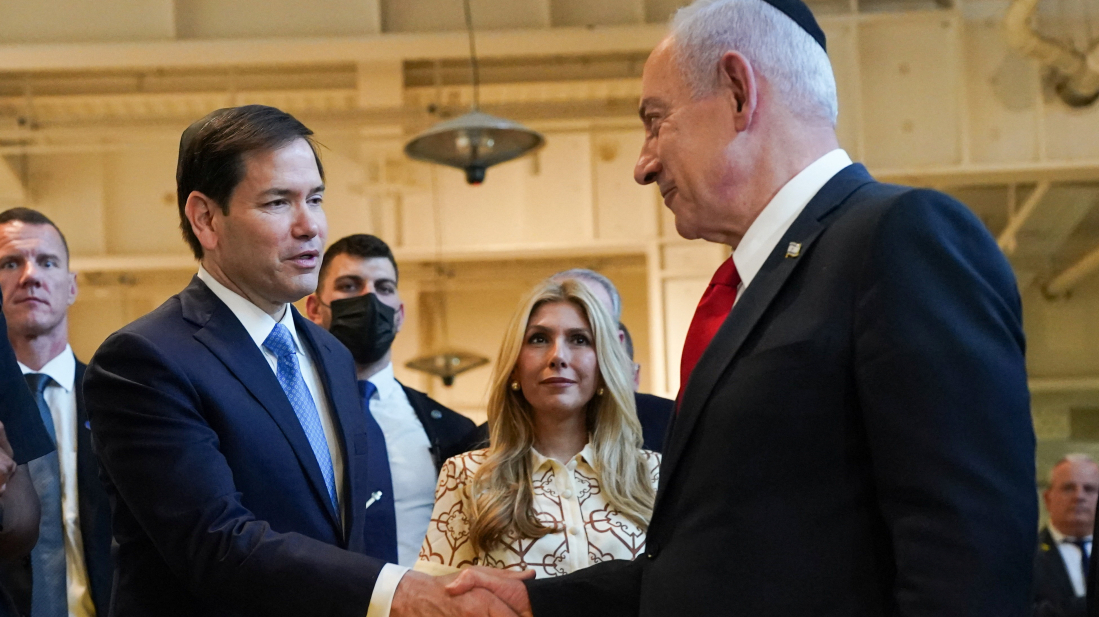
U.S. Secretary of State Marco Rubio discussed the conflict with Israeli Prime Minister Benjamin Netanyahu in Jerusalem on Sunday.
Rubio's visit coincided with an emergency summit in Qatar of Arab and Islamic states, some of them close U.S. allies, convened in response to Israel's attack last week on leaders of Hamas who reside in the Gulf state.
While diplomacy unfolded in Jerusalem and Doha, the Palestinian death toll kept mounting with two air strikes on sites in Gaza City, one on two family homes and another on a tent housing a displaced family.
Witnesses said strikes from the air and the ground hit several areas, spreading panic and prompting thousands to flee encampments established in streets and open areas. Local health authorities said on Monday that at least 16 Palestinians were killed.
Israel says the offensive to take control of Gaza is part of a plan to defeat Hamas for good, and that it has warned civilians to head south to a designated humanitarian zone.
However, the United Nations (U.N.) and numerous countries say its tactics amount to forced mass displacement and that conditions in the humanitarian zone are dire, with food in short supply.
Rubio said before leaving Washington that he wanted to discuss how Israel would finish its war to defeat Hamas so that remaining hostages could be released, in line with President Donald Trump's wishes.
He was also set to discuss how Israel's strike in Qatar, which U.S. officials said did not advance Israeli or U.S. interests, would affect those goals.
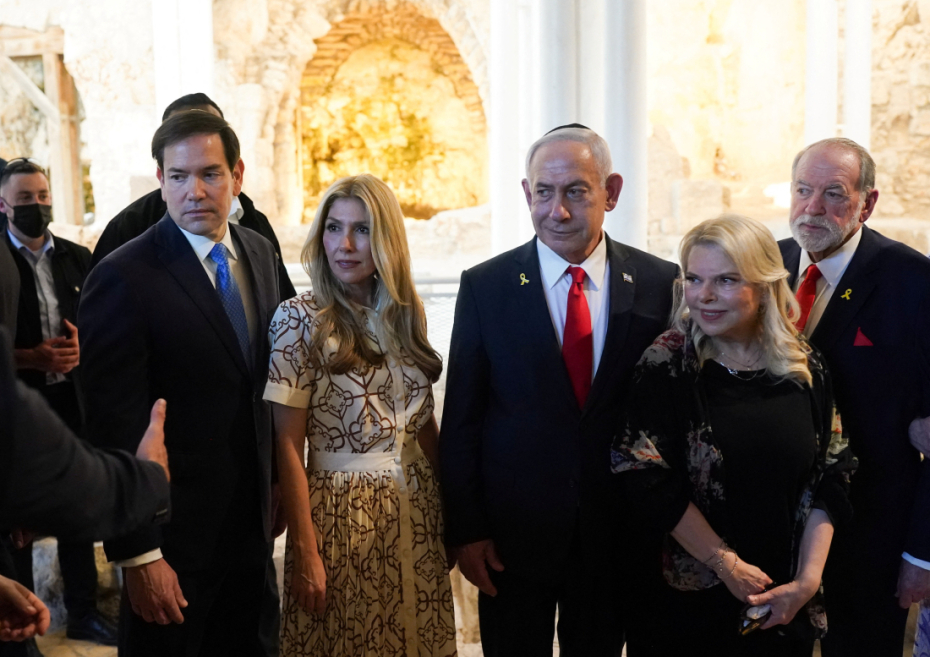
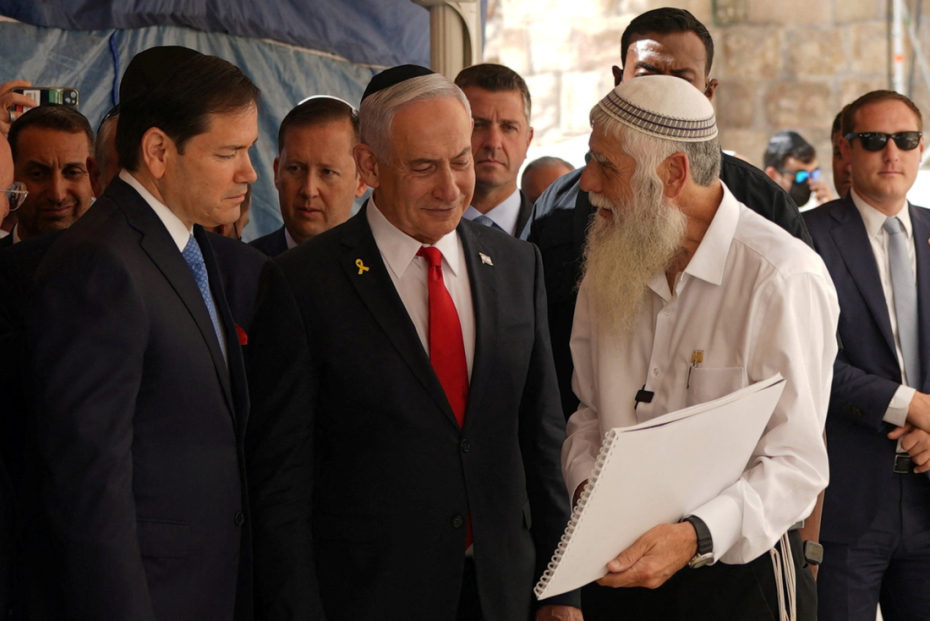
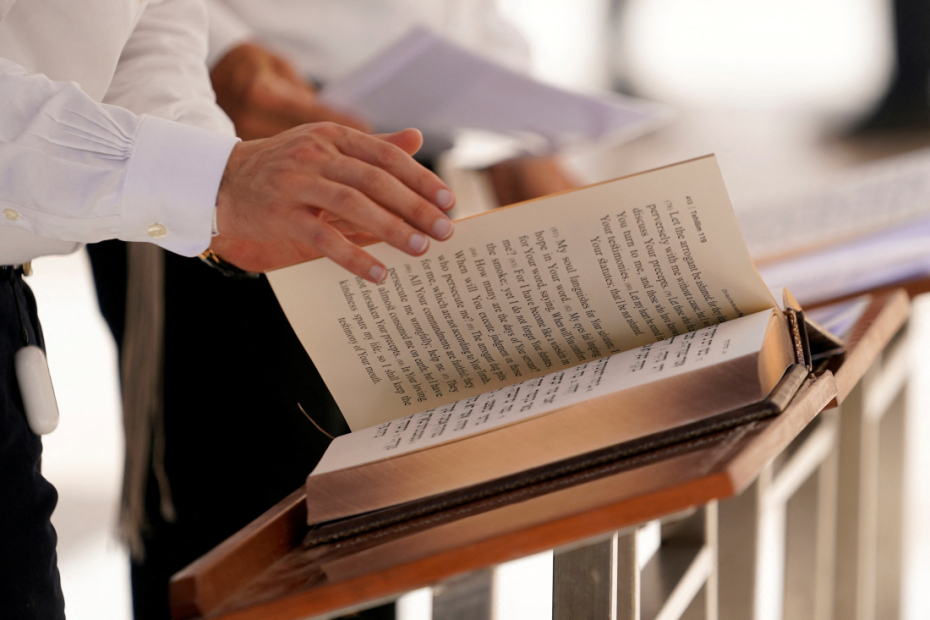
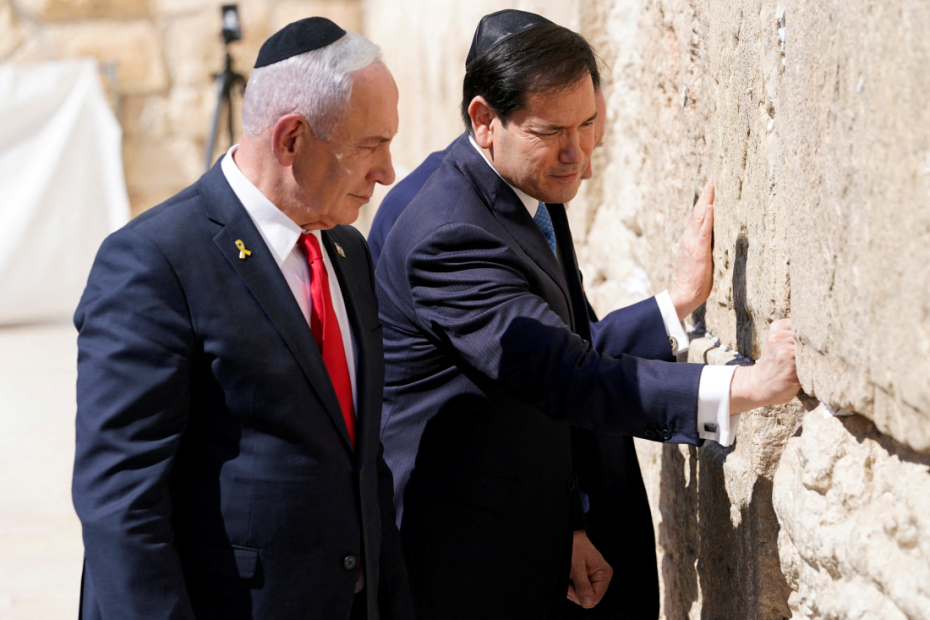
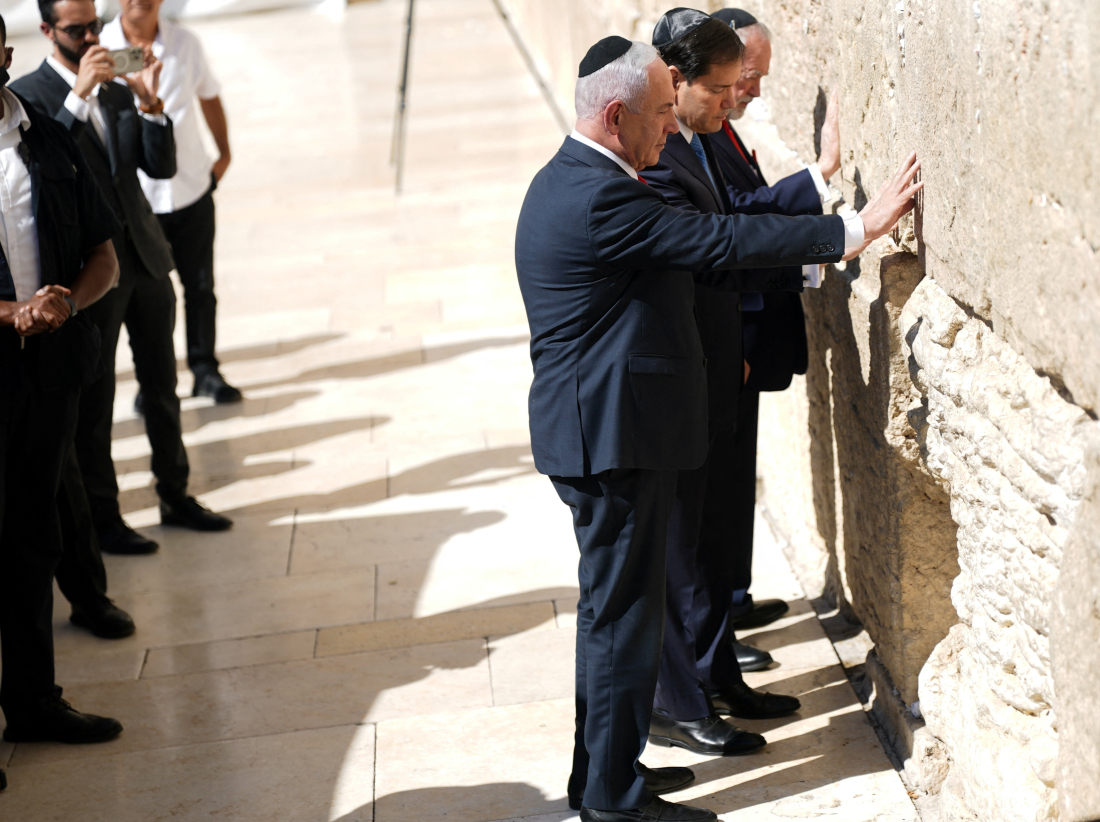
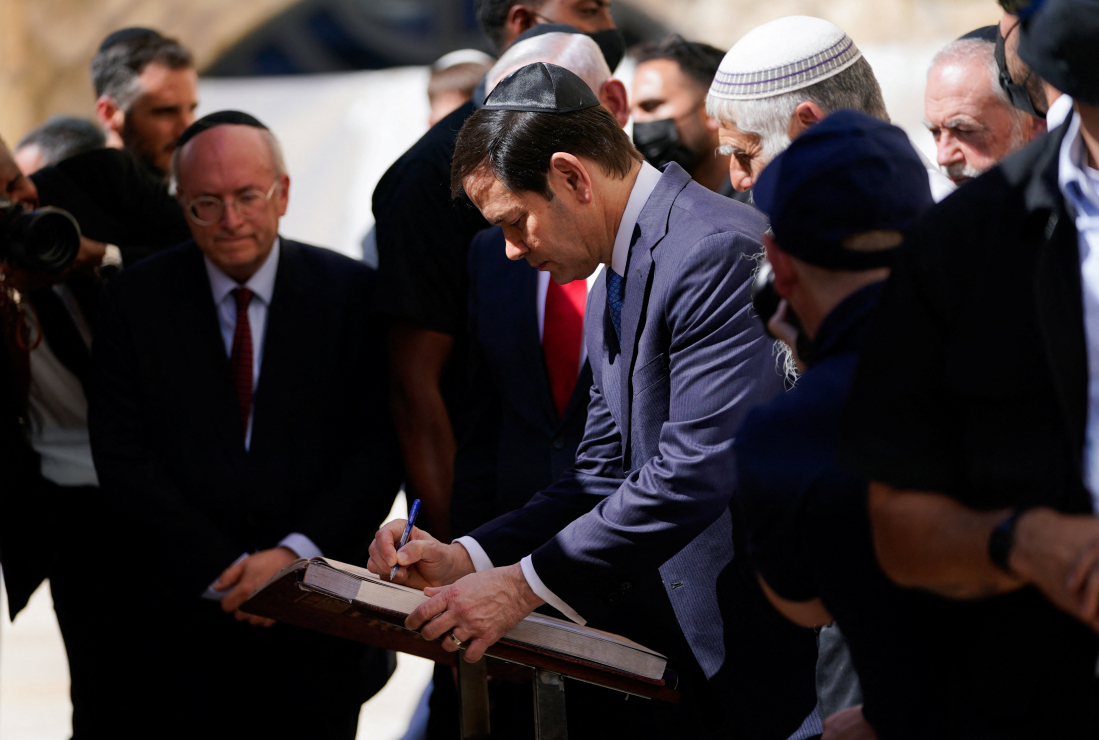
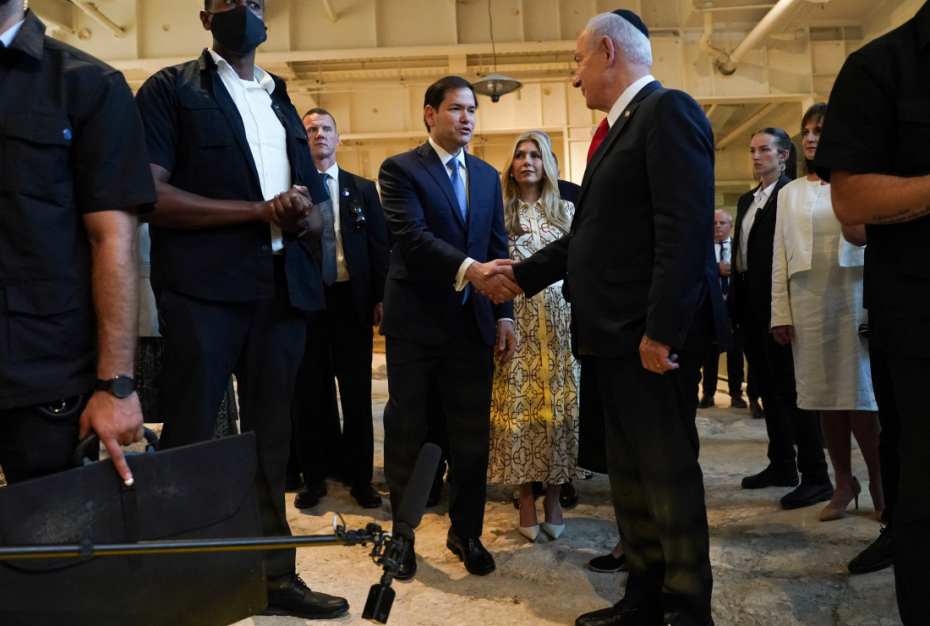
After Rubio arrived on Sunday, Netanyahu and his wife Sara led him and U.S. Ambassador Mike Huckabee, and their wives, on a tour of the Western Wall, Judaism's holiest prayer site.
They also visited a nearby archeological site where Israel has excavated ruins, a controversial project adjacent to the Temple Mount, which is also a holy site for Muslims, who call it Haram al-Sharif or Noble Sanctuary.
Hamas said the visit to the Western Wall, which Muslims call the Al-Buraq Wall, was an assault on the sanctity of the Al-Aqsa mosque inside the compound.
The militant group said the visit reaffirmed "the bias and full partnership of the current U.S. administration in the occupation's crimes against our people, land, and holy sites".
A State Department spokesperson said late on Sunday that Rubio was proud to visit the site with Netanyahu and that this reaffirmed "America's recognition of Jerusalem as Israel's eternal capital".
In Doha, leaders were set to warn that Israel's attack in Qatar threatened coexistence and efforts to normalise ties in the region, according to a draft resolution seen by Reuters.
At least one ordinary Palestinian was dismissive.
"We have never placed much hope in Arab leaders and their summits," said Ahmed Nemer, 45, from Gaza, "The final statement is written by the Americans or is vetted by the Americans, so what can we expect?"
Rubio is scheduled to visit Qatar on Tuesday, the Washington Post reported, citing two government officials in the Middle East.
Reuters could not immediately verify the report, which was published on Monday.















What is your opinion on this topic?
Leave the first comment