Azerbaijan showcases climate action at 2026 World Environment Day conference
Widely recognised as the world’s oldest oil exporter, Azerbaijan will showcase its renewed efforts to combat climate change on Friday as it hosts th...
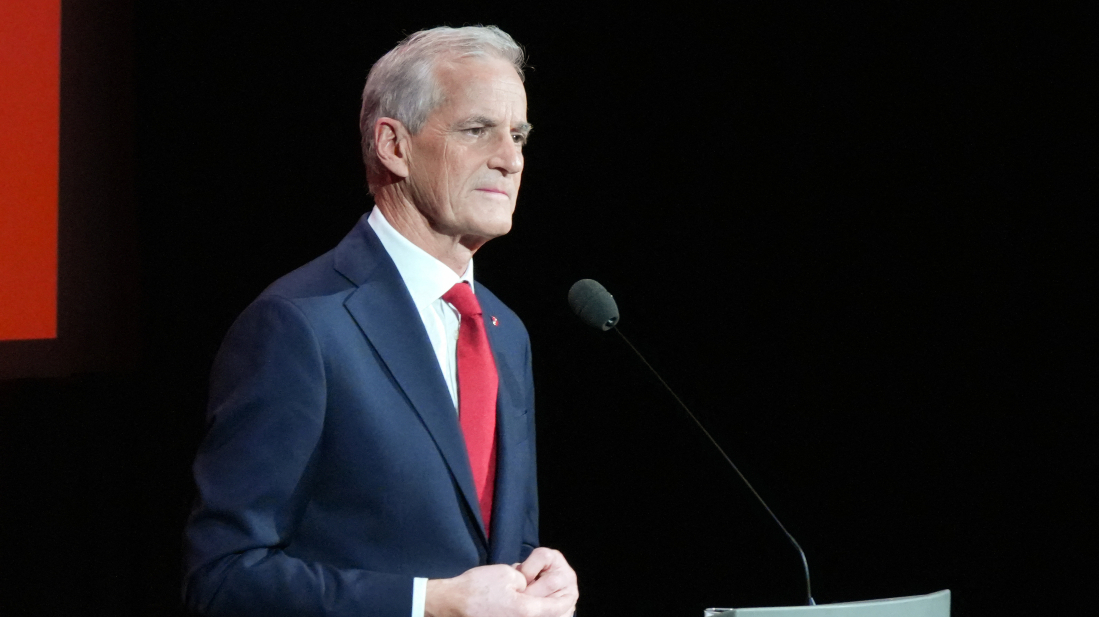
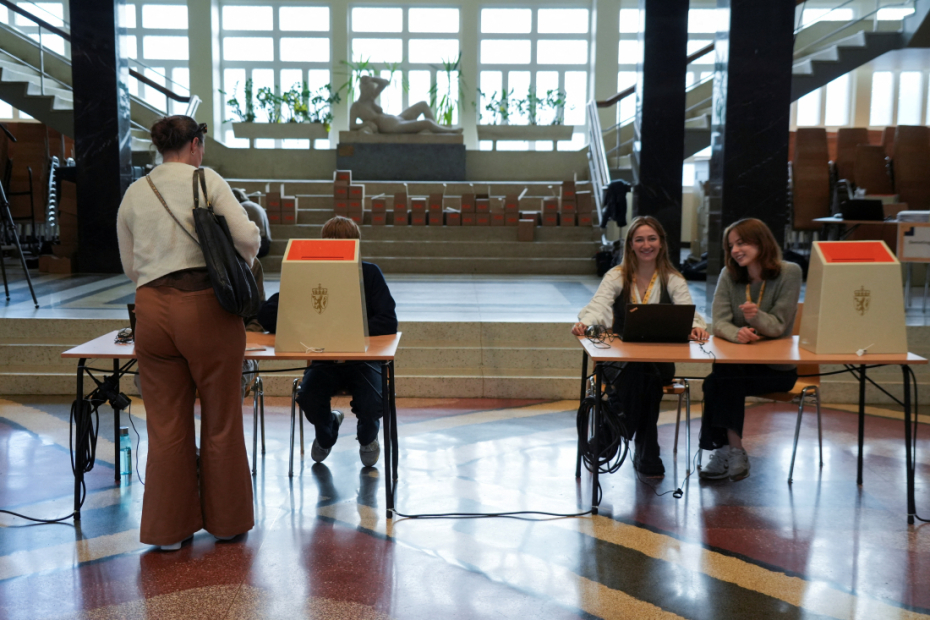
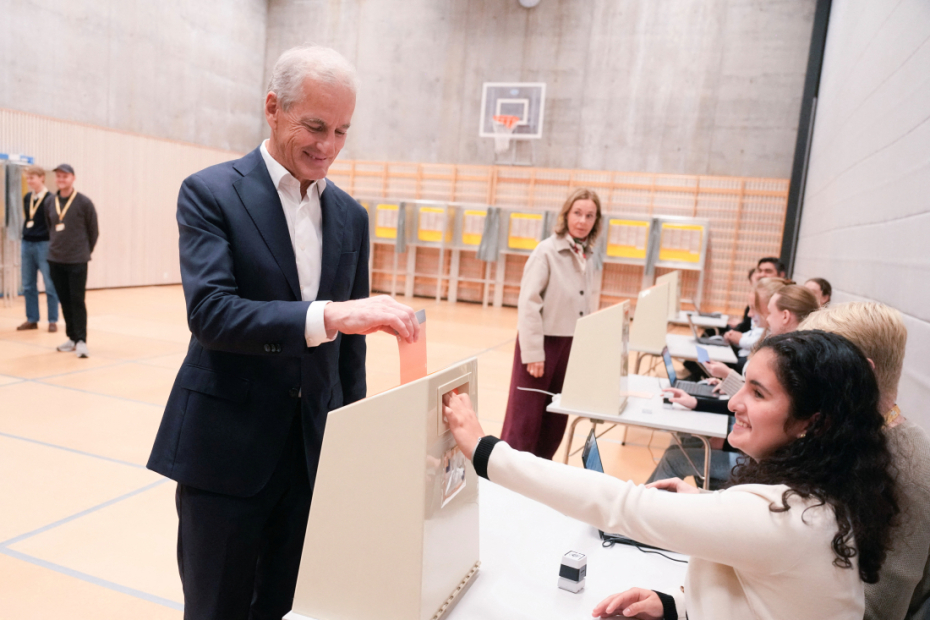
Norway's minority Labour Party government led by Prime Minister Jonas Gahr Stoere, won a second term in power on Monday while the populist right achieved its best-ever election result, official results showed, in a ballot dominated by concerns over rising living costs and wars in Ukraine and Gaza.
Labour and its four left-leaning allies secured 87 seats in the 169-seat parliament, just over the majority threshold.
Despite the victory, Stoere will remain heavily dependent on smaller parties to pass key legislation, with contentious debates expected on taxes for the wealthy, oil exploration, and the sovereign wealth fund’s investments in Israeli companies.
"Stoere will continue as prime minister, but with a much more difficult parliamentary situation, in which he is dependent on five parties to govern," Jonas Stein, an associate professor in political science at the University of Tromsoe said.
The election also highlighted a significant shift to the right among voters.
The Progress Party, led by Sylvi Listhaug, achieved its strongest-ever result, winning 48 seats, more than double its previous tally. Promising deep tax cuts and railing against government spending on foreign aid and green subsidies, Listhaug struck a chord with younger, more conservative voters.
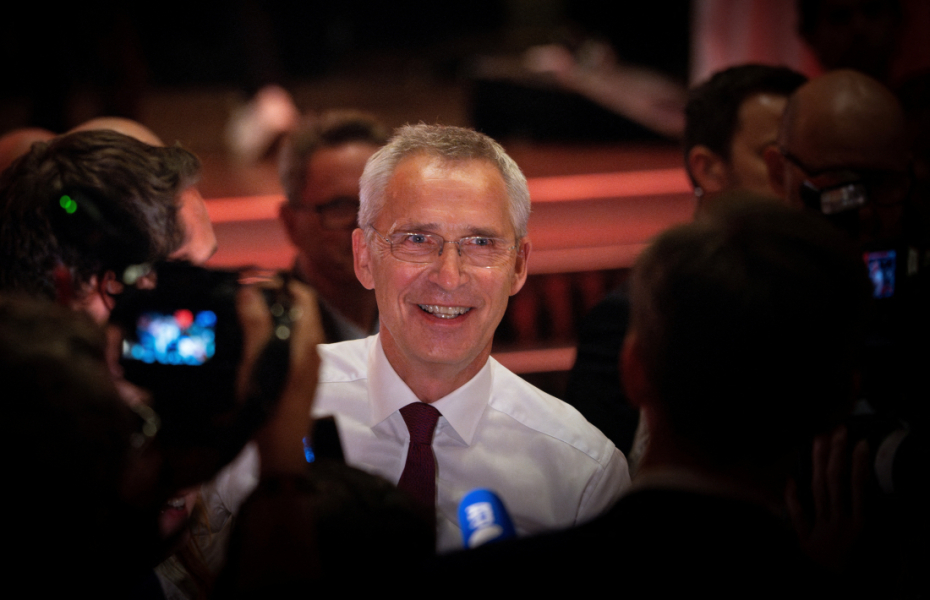
Despite gains by the right, Stoere said the result showed social democracy’s resilience in Europe. The wars in Ukraine and Gaza shaped the campaign, while Stoltenberg’s role in the cabinet reassured voters on security during tensions with Russia.

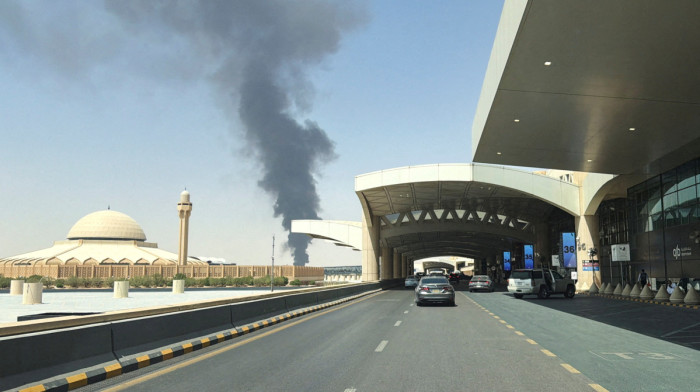
Iran’s Revolutionary Guards (IRGC) said in a statement that its Aerospace Force did not strike the Kuwait Airport passenger terminal on Wednesday, and that the destruction was instead caused by a failed U.S. Patriot missile.
Israel and Lebanon have agreed to implement a ceasefire after U.S.-backed talks in Washington. The deal requires Hezbollah to halt attacks and withdraw from southern Lebanon, while both sides will resume direct talks later this month aimed at reaching a broader agreement.
As Armenia heads toward parliamentary elections on 7 June, the country's relationship with Azerbaijan is emerging as one of the defining issues of the campaign, with analysts and international observers highlighting the role of regional politics in shaping voters’ mindsets.
The United Kingdom has begun using SpaceX's Starshield satellite network for military operations, according to people familiar with the matter, marking one of the first known deployments of the secure government-focused system outside the U.S.
All 27 European Union (EU) member countries have agreed to begin the first set of talks with Ukraine and Moldova about joining the political and economic bloc.
Chinese President Xi Jinping will visit North Korea on 8-9 June, marking his first trip to the country in nearly seven years as Beijing seeks to strengthen relations with its long-time ally.
A blaze at a popular market in northeast Thailand sent vendors fleeing and left five people in hospital, with police investigating a suspected electrical short circuit.
Ukrainian President Volodymyr Zelenskyy has publicly invited Russian President Vladimir Putin to meet for direct talks aimed at ending the war between their countries, saying Ukraine remains ready for peace but will continue fighting if no agreement can be reached.
Start your day informed with the AnewZ Morning Brief. Here are the top stories for the 5 June, covering the latest developments you need to know.
The U.S. House of Representatives has approved legislation that would provide new aid to Ukraine and impose additional sanctions on Russia, marking the latest instance of Republican lawmakers breaking ranks with President Donald Trump and party leaders.
You can download the AnewZ application from Play Store and the App Store.
What is your opinion on this topic?
Leave the first comment