China’s decade of planning cushions economy as oil prices surge
China is emerging as one of the more stable economies amid the latest global oil shock, thanks to years of planning, diversified energy sources and...
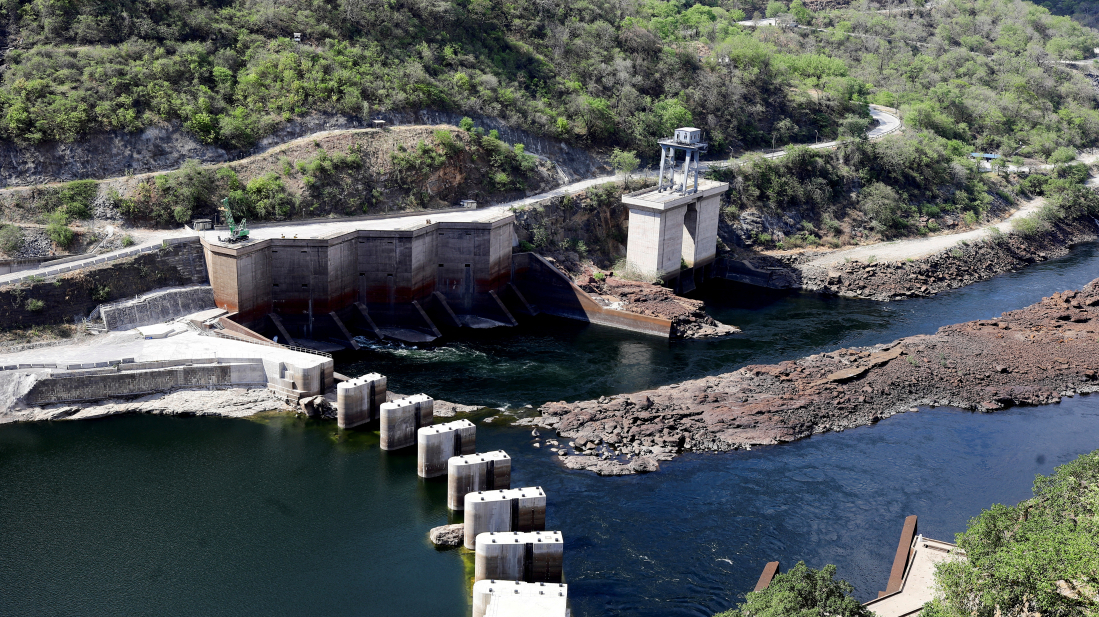
Mozambique is taking a major step to expand electricity access with the $6 billion Mphanda Nkuwa hydroelectric plant, the largest such project in southern Africa in 50 years.
The plant, located 60 kilometres downstream from the Cahora Bassa dam along the Zambezi River, is expected to generate 1,500 megawatts when operations begin in 2031. The project aims to help address a regional electricity deficit of 10,000 megawatts, which leaves millions without power.
Mozambique, home to 33 million mostly rural residents, has seen electricity access rise from 31% in 2018 to 60% in 2024. The state energy provider, Electricidade de Moçambique (EDM), connected more than 563,000 homes in 2024 alone and plans to reach 600,000 this year.
The World Bank is supporting the project through concessional funding, risk guarantees, and political risk insurance rather than direct financing. Global energy firms TotalEnergies, Électricité de France, and Mozambique’s Hidroeléctrica de Cahora Bassa will manage construction and operation.
Africa’s hydropower potential remains largely untapped, with the World Bank estimating around 90% of capacity unused. Ethiopia’s Grand Renaissance Dam and the Inga 3 project in Congo are other examples of ambitious regional energy projects.

The Iran-U.S.-Israel conflict is intensifying, with fresh strikes near Tehran, European calls for restraint, and Iran threatening to target U.S. firms in the region, raising fears of a broader escalation across the Middle East.
There are fears of an oil spill after a drone strike hit a Kuwaiti oil tanker near Dubai on Tuesday, while U.S.-Israeli strikes in Iran reportedly killed at least two people. A loud explosion was heard in Beirut in southern Lebanon early Wednesday, as oil prices climbed above $100 a barrel.
Fears of wider escalation grow despite President Donald Trump saying U.S. strikes on Iran could end within weeks. Meanwhile missile attacks, tanker incidents and rising casualties across Israel, Lebanon and the Gulf heighten risks to regional stability and energy routes.
Russian-flagged tanker carrying approximately 700,000 barrels of crude oil docked at Cuba's Matanzas oil terminal on Tuesday, shipping data confirmed, marking a vital and controversial delivery to an island paralysed by severe energy shortages and a suffocating U.S. blockade.
A Russian military An-26 aircraft has crashed in Crimea, killing all 30 people on board, Russia’s Defence Ministry has confirmed.
China is emerging as one of the more stable economies amid the latest global oil shock, thanks to years of planning, diversified energy sources and a steady shift towards renewable power.
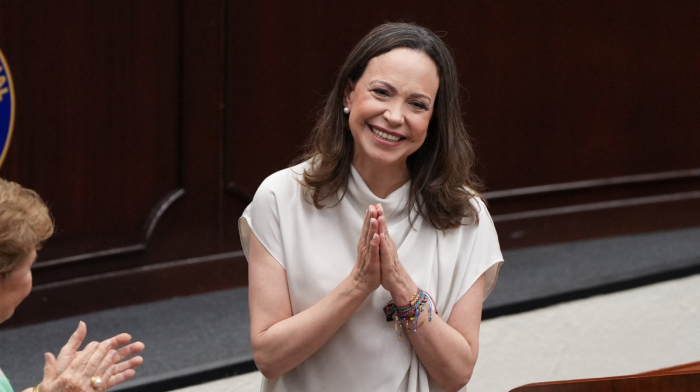
In a major policy reversal, the U.S. Treasury has removed Venezuela’s acting president, Delcy Rodríguez, from its sanctions list, signalling a sharp shift in Washington’s approach to Caracas.
A technical team from the United States Federal Bureau of Investigation (FBI) has touched down in Cuba this week to launch an "independent investigation" into a deadly maritime shootout that happened on 25 February.
“He is not… the owner!” U.S. District Judge Richard J. Leon wrote, temporarily halting construction of President Donald Trump’s $400 million White House ballroom, underscoring a cascade of legal, regulatory and public opposition that has engulfed the controversial expansion.
Start your day informed with the AnewZ Morning Brief. Here are the top stories for 2 April, covering the latest developments you need to know
You can download the AnewZ application from Play Store and the App Store.
What is your opinion on this topic?
Leave the first comment