Ukraine delegation heading to UAE for second round of peace talks, Zelenskyy says
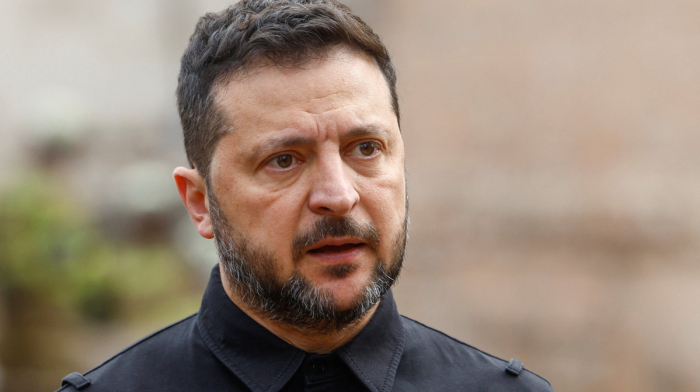
Ukraine’s negotiating team is heading to the United Arab Emirates for a second round of trilateral peace talks with Russia and the U.S., President V...
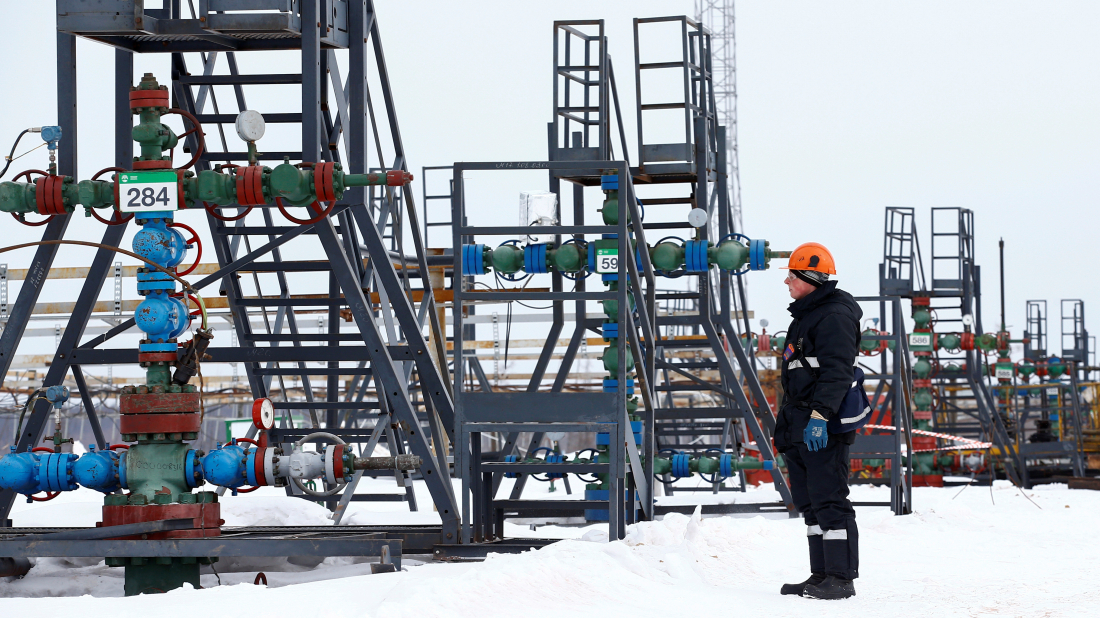
Canada announced Wednesday that it has reduced the price cap on seaborne Russian-origin crude oil from US$60 to US$47.60 per barrel, aiming to limit Moscow’s revenue amid the ongoing war in Ukraine.
The measure, announced by Minister of Foreign Affairs Anita Anand and Minister of Finance François-Philippe Champagne, amends the Special Economic Measures (Russia) Regulations. It follows Canada’s August 8, 2025, commitment to lower the oil price cap in alignment with recent measures by the European Union and the United Kingdom.
The new rules include a 45-day non-application period for oil loaded onto a vessel and unloaded at its destination within 45 days after the amendments take effect. Canada said the flexibility allows for future adjustments if needed to further limit Russia’s revenue from energy exports.
“These oil price cap measures are part of a broader strategy to deprive Russia of the financial means to sustain its unjustified and unprovoked war against Ukraine, limit its access to global markets, target its shadow fleet, and strengthen the impact of coordinated sanctions,” the government said.
Minister Anand said the move reinforces Canada’s commitment to Ukraine and international peace and security, while Minister Champagne emphasized that targeting Russia’s oil revenue directly limits its ability to fund the war.
Canada first imposed oil price cap measures against Russia in December 2022. The European Union recently introduced a dynamic price cap mechanism for Russian crude, while the United Kingdom lowered its cap without the dynamic adjustment. Canada’s latest step reflects ongoing coordination with allies to maintain effective and adaptive sanctions.

U.S. President Donald Trump said on Saturday that the United States has begun negotiations with European leaders over Greenland and that an agreement is already taking shape.
The United States accused Cuba of interfering with the work of its top diplomat in Havana on Sunday (1 February) after small groups of Cubans jeered at him during meetings with residents and church representatives.
Dmitry Medvedev, said European countries have failed to defeat Russia in Ukraine and have instead inflicted serious economic damage on themselves, as he criticised EU policy, praised Donald Trump as a leader who seeks peace, and said Russia would “soon” achieve military victory in the war.
Iran’s Supreme Leader Ayatollah Ali Khamenei has warned that any U.S. military attack on Iran would spark a wider regional conflict, Iranian semi-official Tasnim news agency reported on Sunday.
U.S. president Donald Trump said Iran is “seriously talking” with the United States and expressed hope that negotiations could lead to an outcome acceptable to Washington.
Ukraine is creating a white list for Starlink terminals to ensure only verified devices stay active, after officials warned that Russian forces were attempting to use the network during the Ukraine conflict.
A drone incident at a military base in Przasnysz has triggered a police inquiry in Poland as security agencies across Europe confront a growing number of unauthorised devices entering restricted airspace.
Ukraine’s negotiating team is heading to the United Arab Emirates for a second round of trilateral peace talks with Russia and the U.S., President Volodymyr Zelenskyy said late Monday.
Nigeria has filed 57 terrorism-related charges against nine men accused of planning and executing a June 2025 attack in Benue state that killed about 150 people.
France’s 2026 state budget has been adopted by parliament after Prime Minister Sebastien Lecornu survived two no-confidence motions, ending months of political stalemate that had paralysed fiscal decision-making.
You can download the AnewZ application from Play Store and the App Store.
What is your opinion on this topic?
Leave the first comment