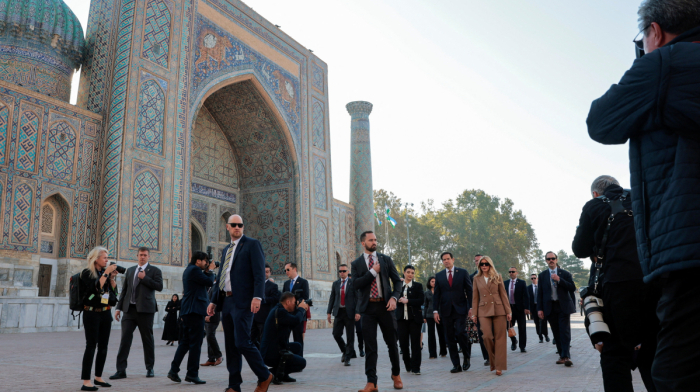
U.S. engagement in Caucasus driven by energy and regional stability goals: expert
As geopolitical alignments across Eurasia continue to evolve, U.S. engagement in the South Caucasus is once again drawing attention, particularly in r...
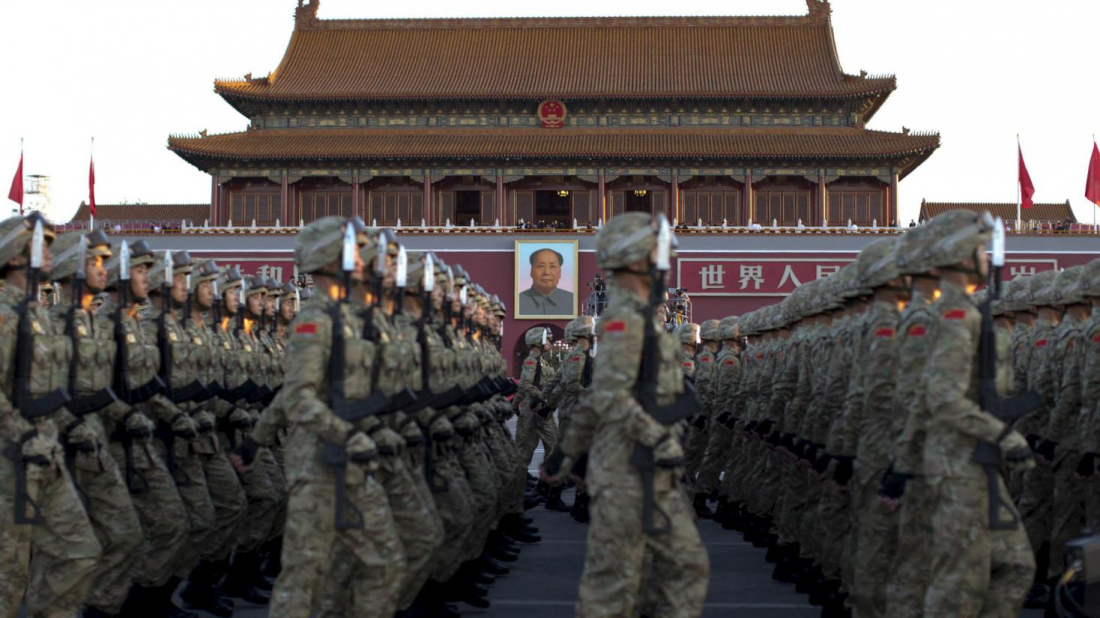
China held its largest-ever military parade on Wednesday, showcasing its growing military power and geopolitical influence as President Xi Jinping positions Beijing as a custodian of the post-U.S. international order.
At Tiananmen Square, Xi walked down a red carpet alongside Russian President Vladimir Putin and North Korean leader Kim Jong Un to take his seat at the event marking the 80th anniversary of Japan’s defeat in World War Two.
Xi, dressed in a suit styled after Mao Zedong, greeted around twenty mainly non-Western leaders, including Indonesia’s Prabowo Subianto, who made a surprise appearance despite protests at home. He spoke in English, saying “Nice to meet you” and “Welcome to China.”
The parade comes amid strained U.S.-China relations under President Donald Trump’s “America First” policies and trade wars. Asked if he viewed the parade as a challenge to the U.S., Trump said he did not and reiterated his “very good relationship” with Xi.
More than 50,000 spectators watched the 70-minute display of troops, aircraft, hypersonic missiles, drones, and modernised tanks. Major roads and schools in Beijing were closed for the parade, which followed weeks of security preparations and night-time rehearsals.
Xi will review the troops before delivering a keynote speech atop the Gate of Heavenly Peace, where a portrait of Mao Zedong overlooks the square.
He is expected to highlight China and Soviet Russia’s role in defeating fascism and maintaining the postwar international order. Xi will also call for unity against “hegemonism and power politics,” a clear reference to the U.S.
Putin used the occasion to deepen energy agreements with China, while Kim Jong Un makes his first major international appearance at a Chinese military parade, accompanied by his daughter Ju Ae.
Local authorities mobilised tens of thousands of volunteers and Communist Party members to monitor potential unrest ahead of the event. “President Xi will use this opportunity to show that the military is clearly and unmistakably behind him,” said Wen-Ti Sung, fellow at the Atlantic Council’s Global China Hub.

Severe Tropical Storm Jangmi brought heavy rain, power cuts and transport disruption across Japan on Wednesday (3 June) as it tracked towards the greater Tokyo region.
Police officers were pelted with missiles during violent clashes at a protest near the Southampton, UK, home of convicted murderer Vickrum Digwa, as anger continued to grow over the handling of the fatal stabbing of 18-year-old Henry Nowak.
Thousands of people have taken to the streets in Albania in recent days to protest against a luxury tourism project linked to Jared Kushner, the son-in-law of U.S. President Donald Trump, and his wife Ivanka Trump.
An Iranian drone and missile attack struck Kuwait International Airport early Wednesday, injuring several people, damaging Terminal 1 and forcing flight diversions, Kuwaiti authorities said.
Armenia’s parliamentary election comes at a defining moment for the South Caucasus, a region reshaped by the Garabagh conflict and broader shifts in Russia-West relations. The outcome is increasingly seen as a signal of Armenia’s future foreign policy direction and the regional balance of power.
Start your day informed with the AnewZ Morning Brief. Here are the top stories for the 4 June, covering the latest developments you need to know.
Three people have been killed and seven injured in Ukrainian strikes on Russia-annexed Crimea, according to Kremlin officials in the peninsula, as fighting between Russia and Ukraine continues.
Mass protests by teachers and retired judges, road closures and last-minute construction work caused chaos in Mexico's capital just eight days before the first World Cup match kicks off on 11 June.
China and Britain sat down for a major round of talks in Beijing on Tuesday and walked away with a clear message that the two countries want a better, closer relationship and that they are actively working to build one.
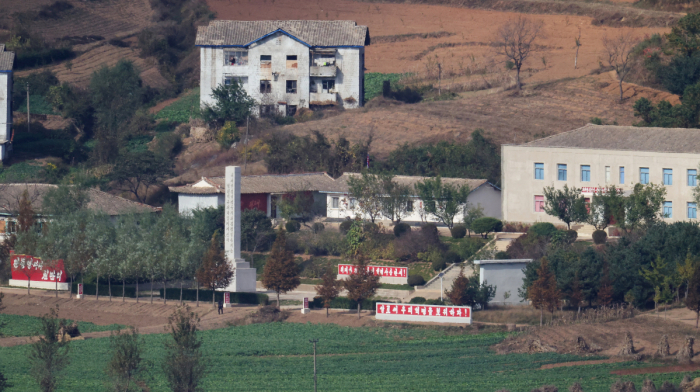
North Korean leader Kim Jong Un called for an "exponential" expansion of the country's atomic arsenal during a visit to a newly operational nuclear material production factory, state media agency KCNA said.
You can download the AnewZ application from Play Store and the App Store.
What is your opinion on this topic?
Leave the first comment