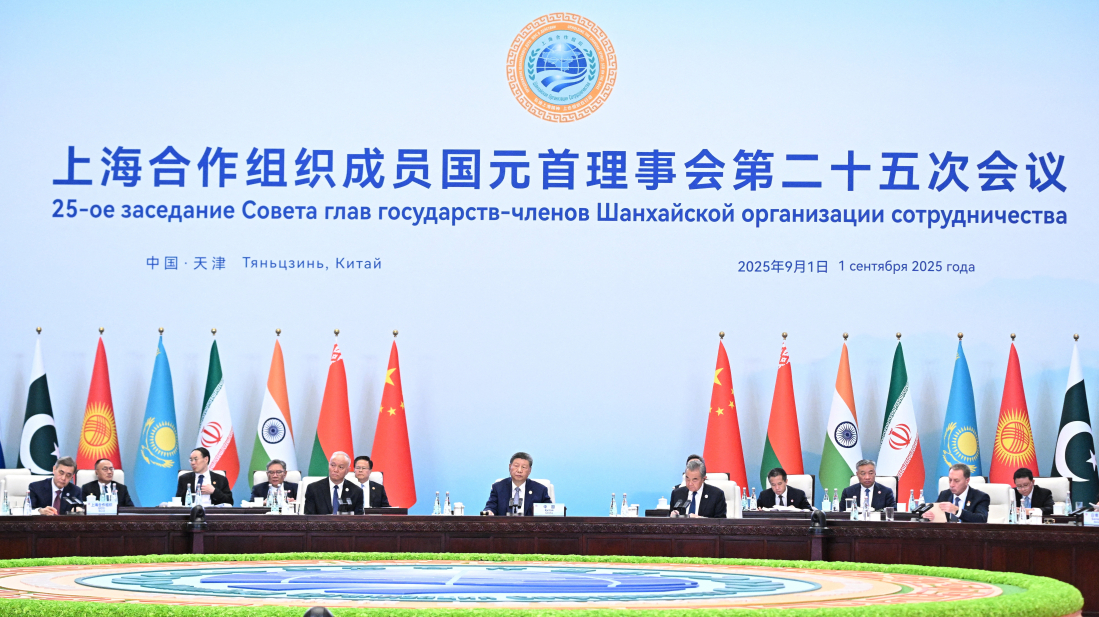
AnewZ has learned that India has once again blocked Azerbaijan’s application for full membership in the Shanghai Cooperation Organisation, while Pakistan’s recent decision to consider diplomatic relations with Armenia has been coordinated with Baku as part of Azerbaijan’s peace agenda.
China has reaffirmed its support for Azerbaijan’s application to become a full member of the Shanghai Cooperation Organisation (SCO). By contrast, officials familiar with the matter told AnewZ that India’s decision to obstruct the process runs counter to the principles of multilateral diplomacy and the “Shanghai Spirit,” which stipulate that bilateral disputes should not be transferred to multilateral platforms. According to these accounts, India’s position is closely linked to Azerbaijan’s fraternal relations with Pakistan.
One insider commented to AnewZ that this step “does not alter Azerbaijan’s course,” but rather demonstrated to the international community “the limited and short-sighted nature of India’s policies.”
Meanwhile, developments in regional diplomacy have taken a new turn. Pakistan’s Foreign Minister, Muhammad Ishaq Dar, held a telephone conversation with his Armenian counterpart, Ararat Mirzoyan, during which the parties agreed to consider the establishment of diplomatic relations. The Pakistani foreign minister confirmed the exchange in a statement published on his official “X” account.
Pakistan suspended ties with Armenia following the outbreak of the occupation of Azerbaijani territories and, throughout that period, consistently recognised Armenia as an aggressor state. Islamabad also played a significant role in the adoption of United Nations Security Council resolutions that affirmed Azerbaijan’s territorial integrity.
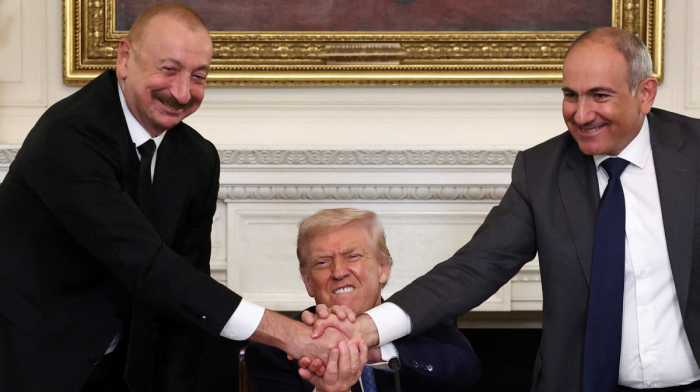
According to information obtained by AnewZ, Pakistan’s latest move was made in consultation with Baku. Following the Washington meeting between the leaders of Azerbaijan, the United States and Armenia, discussions were held with Islamabad, after which the initiative was agreed.
In a further development, reliable sources told AnewZ that the decision to dissolve the OSCE Minsk Group has formally come into effect, as no member state objected under the organisation’s “silence procedure” set for 1 September. At the Washington meeting, Armenia and Azerbaijan agreed to make a joint appeal to the OSCE for the dissolution of the Minsk Group and all affiliated institutions. The decision was unanimously supported by all member states, with no country breaking the silence procedure. As a result, the Minsk Group is now considered defunct and consigned to history. The Finnish chairmanship of the OSCE is expected to issue a press release on the matter.
Observers stressed to AnewZ that these developments should be interpreted as part of Azerbaijan’s broader peace agenda and a direct outcome of the Washington agreements.

















What is your opinion on this topic?
Leave the first comment