Japan moves closer to reviving world’s largest nuclear plant amid energy security push
The fate of the world’s largest nuclear power station hangs in the balance this month as local lawmakers in Japan decide whether to authorise a cont...
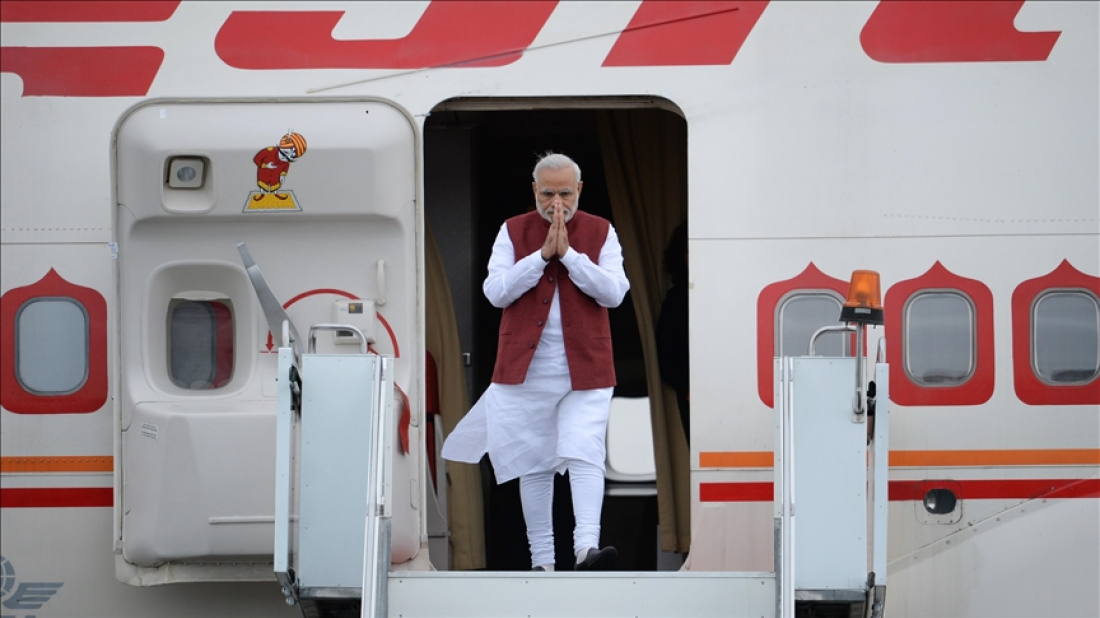
Indian Prime Minister Narendra Modi arrived in Japan on Thursday to meet his Japanese counterpart, Shigeru Ishiba, with trade and security high on the agenda.
Modi is on a two-day official visit to Tokyo to take part in the 15th India–Japan annual summit, marking his eighth visit to the country and his first summit with Ishiba.
The leaders are expected to review the “special strategic and global partnership” between the two nations, covering defence, trade, economy, technology, and people-to-people exchanges, while also discussing regional and global issues.
Ahead of the trip, Modi said: “We will endeavour to give new wings to our collaboration.” A joint statement is anticipated at the summit to pledge further enhancement of bilateral cooperation and to promote deeper engagement among Quad members, which also include the U.S. and Australia.
Japan is considering a 10 trillion yen (approximately $68 billion) private investment target in India over the next decade.
The Ishiba–Modi meeting comes amid the U.S. imposing 50% tariffs on Indian imports, while Japan faces 15% levies. The Trump administration previously sanctioned India over purchases of Russian oil amid the war in Ukraine.
Modi last visited Japan in May 2023. Diplomatic ties between the two countries date back to 1952, with trade volume reaching $21 billion last year.
Following his Japan visit, Modi will travel to China for the Shanghai Cooperation Organisation leaders’ summit in Tianjin on 31 August–1 September. He is also expected to meet Chinese President Xi Jinping and Russian President Vladimir Putin.

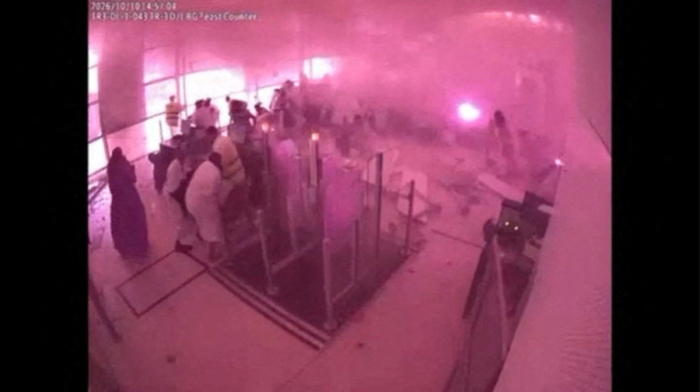
Security concerns across Central Asia have intensified rapidly after officials in Dushanbe reported a series of lethal incursions originating from Afghan soil, marking a significant escalation in border violence.
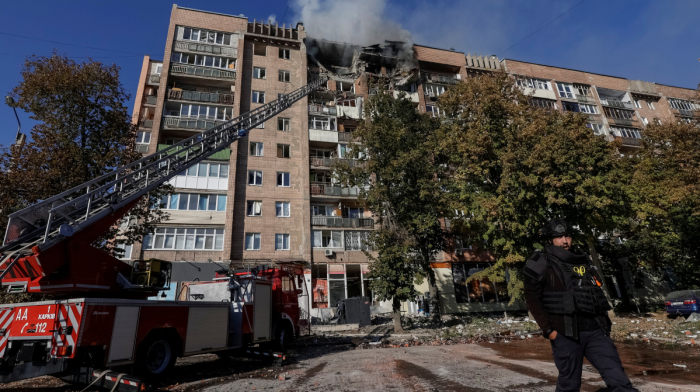
Moscow and Kyiv painted very different pictures of the battlefield on Sunday, each insisting momentum was on their side as the fighting around Pokrovsk intensified.
U.S. President Donald Trump confirmed on Sunday that he had spoken with Venezuelan President Nicolas Maduro, but did not provide details on what the two leaders discussed.
Russia has claimed a decisive breakthrough in the nearly four-year war, with the Kremlin announcing the total capture of the key logistics hub of Pokrovsk just hours before United States mediators were due to arrive in Moscow.
French President Emmanuel Macron addressed critical issues surrounding Ukraine’s ongoing conflict, the role of American mediation, and European involvement during a press conference on Monday, reaffirming France’s commitment to supporting Ukraine's sovereignty and ensuring peace in the region.
The fate of the world’s largest nuclear power station hangs in the balance this month as local lawmakers in Japan decide whether to authorise a controversial restart, a move that would mark a significant pivot in the nation’s post-Fukushima energy policy.
Venezuelan President Nicolás Maduro on Monday pledged his “absolute loyalty” to the Venezuelan people as tensions continue to rise with the administration of U.S. President Donald Trump.
At a transit camp on the Chad-Sudan border, Najwa Isa Adam, 32, hands out bowls of pasta and meat to orphaned Sudanese children from al-Fashir, the site of a recent violent takeover by paramilitary forces in Sudan.
Pope Leo XIV will end a three-day visit to Lebanon on Tuesday (2 December), concluding his first overseas trip as Catholic leader with an urgent appeal for peace in the Middle East and a warning that humanity’s future is threatened by the world’s bloody conflicts.
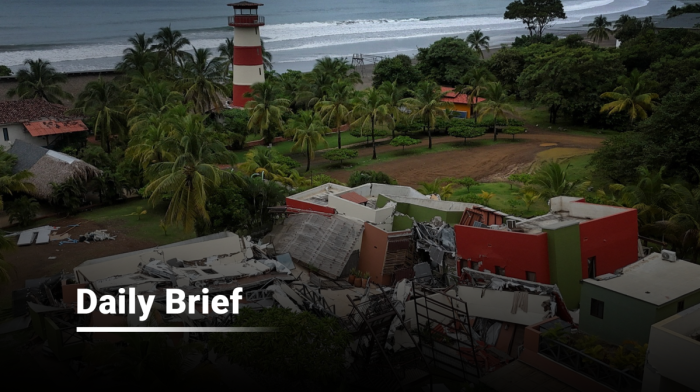
Start your day informed with AnewZ Morning Brief: here are the top news stories for the 2nd of December, covering the latest developments you need to know.
You can download the AnewZ application from Play Store and the App Store.
What is your opinion on this topic?
Leave the first comment