Australia condemns Israel over closure of Gaza aid worker case
Australia on Thursday condemned Israel’s decision to close its criminal investigation into the deaths of Australian aid worker Zomi Frankcom ...
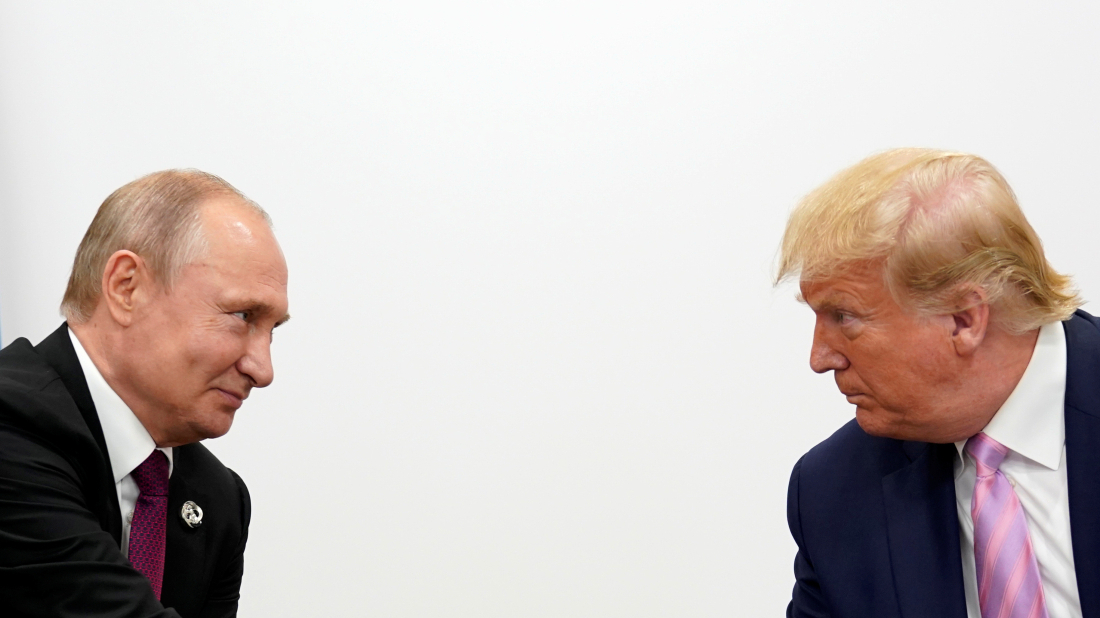
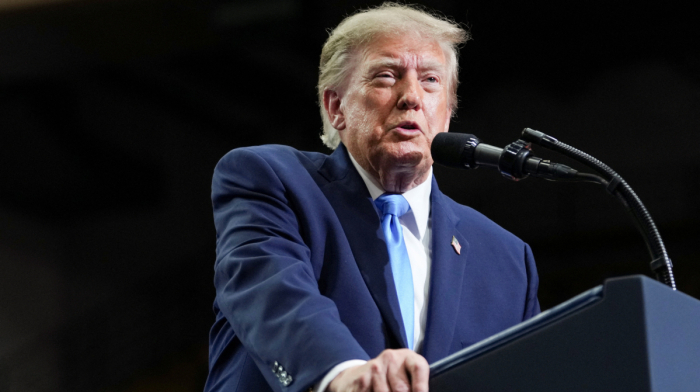
The Kremlin responded cautiously to U.S. President Donald Trump's order to reposition nuclear submarines, urging restraint in nuclear rhetoric and emphasizing the importance of diplomacy during rising tensions over Ukraine.
In its first public reaction on Monday, the Kremlin downplayed the significance of Trump’s comments. Kremlin spokesman Dmitry Peskov stated, "We would not want to get involved in such a controversy and would not want to comment on it in any way."
He added, "Of course, we believe that everyone should be very, very careful with nuclear rhetoric."
Peskov noted that the U.S. submarines are 'already on combat duty,' calling it an ongoing process rather than a significant shift.
The Kremlin emphasized it does not interpret Trump’s move as an escalation, saying, "It is clear that very complex, very sensitive issues are being discussed, which, of course, are perceived very emotionally by many people."
The developments come as Trump threatens new sanctions on Russia and its oil buyers, such as India and China, unless Russian President Vladimir Putin agrees to end the war in Ukraine by Friday. Putin has acknowledged some progress in peace talks but maintains that Russia currently holds the momentum.

The collective-defence agreement between Türkiye, Saudi Arabia and Pakistan signals that regional powers no longer want to rely solely on external security guarantees. Whether it becomes a stabilising deterrent or another axis of rivalry remains unresolved.
Shipping through the Strait of Hormuz has slowed, according to the latest data, as uncertainty over the waterway’s reopening kept most shipowners away. Six commodity vessels crossed the strait on Tuesday, down from nine the day before and below the 10-day daily average of 11.
Shipping traffic through the Strait of Hormuz remains limited on Thursday, with no increase in vessel crossings as U.S.-Iran talks to resolve the conflict remained stalled. Nine commodity vessels transited the key waterway on Wednesday, unchanged from the previous day, according to Kpler data.
Iran has said the Strait of Hormuz will remain closed until the U.S. fulfils the terms of an interim deal, including lifting the maritime blockade and sanctions and releasing Iran’s frozen assets.
Start your day informed with AnewZ Morning Brief. Here are the top news stories for the 19th of August, covering the latest developments.
Australia on Thursday condemned Israel’s decision to close its criminal investigation into the deaths of Australian aid worker Zomi Frankcom and six World Central Kitchen colleagues killed in Gaza in April 2024.
Shipping traffic through the Strait of Hormuz remains limited on Thursday, with no increase in vessel crossings as U.S.-Iran talks to resolve the conflict remained stalled. Nine commodity vessels transited the key waterway on Wednesday, unchanged from the previous day, according to Kpler data.
North Korea has fired more than 10 short-range ballistic missiles after U.S. President Donald Trump reduced American participation in joint military exercises with South Korea in an effort to revive dialogue with Pyongyang.
Georgia’s foreign trade data for January-July 2026 shows Kyrgyzstan, China and Russia as its top three export markets, highlighting its Middle Corridor ambitions and complex economic ties with Moscow.
Kazakhstan will vote on 23 August in its first parliamentary election under the new Constitution, choosing 145 members of the new Kurultai under a fundamentally changed electoral system based entirely on party lists.
You can download the AnewZ application from Play Store and the App Store.
What is your opinion on this topic?
Leave the first comment