Columbia University will pay more than $220 million to the U.S. government to settle federal probes and regain suspended funding, in a deal the White House hailed as a model for other universities but critics warned the move sets a dangerous precedent.
Settlement and funding restored
Columbia said on Wednesday the agreement would restore access to about $1.7 billion in federal funding and grants, most of which had been suspended in March after the Trump administration accused the university of mishandling antisemitism complaints linked to pro-Palestinian campus protests.
“Under today’s agreement, a vast majority of the federal grants which were terminated or paused in March 2025 will be reinstated and Columbia’s access to billions of dollars in current and future grants will be restored,” the university said in a statement.
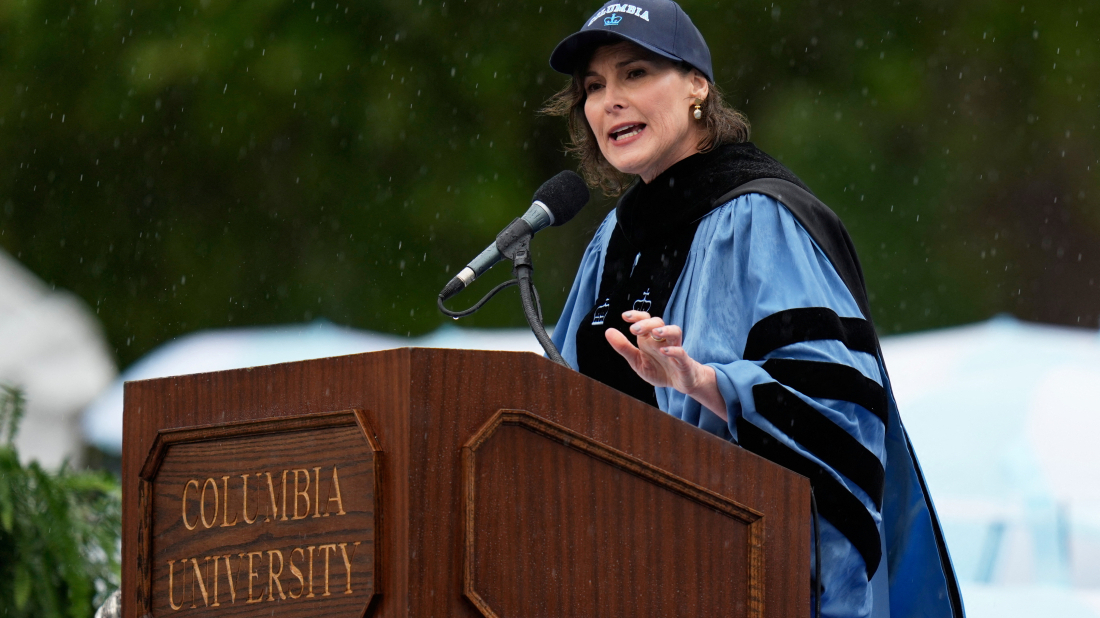
Acting President Claire Shipman said Columbia had faced the potential loss of billions of dollars in future federal funds and the possible revocation of visa status for thousands of international students.
“This was not capitulation,” Shipman told CNN, adding the deal protected the university’s “academic integrity.”
Senior administration officials said that under the settlement, Columbia will pay $200 million to the U.S. Treasury and $21 million to a fund resolving alleged civil rights violations against Jewish employees following the 7 October, 2023, Hamas attack on Israel.
Trump hails agreement
President Donald Trump welcomed the agreement in a post on his Truth Social account, calling it “historic” and praising Columbia for agreeing to end diversity, equity and inclusion (DEI) policies, admit students “based only on merit,” and compensate Jewish employees who were “unlawfully targeted and harassed.”
McMahon said the settlement requires Columbia to discipline students for severe campus disruptions, increase viewpoint diversity in Middle Eastern studies programmes, eliminate race preferences in hiring and admissions, and formally end DEI programmes.
“It is our hope this is going to be a template for other universities around the country,” McMahon told NewsNation.
“We’re already seeing other universities taking these measures before investigation.”
Trump Administration's demands
The Trump administration penalized Columbia in March by cancelling $400 million in federal funding, saying its response to alleged antisemitism and harassment of Jewish and Israeli members of the university community was insufficient.
The school later agreed to a series of demands, including scrutiny of departments offering Middle Eastern studies courses and other concessions criticized by U.S. academics.
Wednesday’s deal formalized many of those concessions, according to Education Secretary Linda McMahon.
The university’s position
Columbia stressed that the agreement preserves its authority over hiring, admissions, and academic decisions.
“No provisions shall be construed as giving the United States authority to dictate faculty hiring, university hiring, admissions decisions, or the content of academic speech,” Shipman said.
Critics said the settlement sets a harmful precedent for government interference in private universities.
Columbia law professor David Pozen called the agreement a “shakedown” and “the first time antisemitism and DEI have been invoked as the basis for a government-enforced restructuring of a private university.”
Trump has increasingly targeted elite universities since returning to office in January, focusing on campuses where large pro-Palestinian demonstrations have taken place.
















What is your opinion on this topic?
Leave the first comment