Iran lays down pre-conditions for end to Israel-US war
Iran’s President Masoud Pezeshkian has set recognition of Tehran’s inalienable rights, payment of war ...
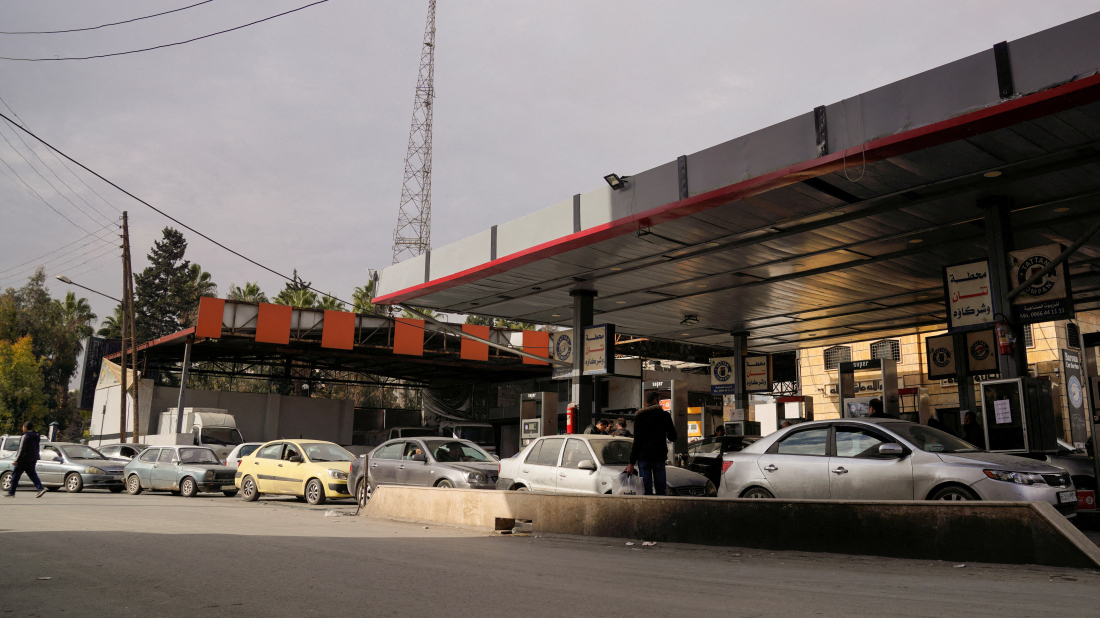
A severe, days-long fuel shortage in Damascus has forced drivers into extended waits at gas stations, highlighting the massive challenges facing Syria’s new leadership after the recent ouster of President Bashar al-Assad. With critical infrastructure and the economy still in ruins, citizens are left
Drivers in the Syrian capital found themselves in lines stretching around the block, hoping to secure even a few liters of gasoline. Some reported being unable to work for over a week. One taxi driver, waiting at a station, said he had been idle for ten days until supplies finally arrived on Saturday.
Without a reliable gasoline supply, many residents are turning to alternative fuels or simply waiting indefinitely for promised shipments. A local citizen, after filling a container with fuel oil instead of gasoline, expressed hope that petrol would return in the next two days.
The task ahead for Syria’s new rulers is immense. Years of conflict, compounded by international sanctions, have left roads, pipelines, and other vital infrastructure in disrepair. The economy is similarly battered, with basic goods becoming scarce and prices soaring. As the country’s new authorities work to restore essential services, Syrians continue to face long lines, uncertainty, and the heavy weight of rebuilding their lives.

The 32 countries belonging to the Internatioanl Energy Agency agreed to release 400 million barrels of oil on Wednesday (11 March), in efforts aimed at bringing down the price of crude oil, which has soared since fighting between Iran, Israel and the U.S. started at the end of February.
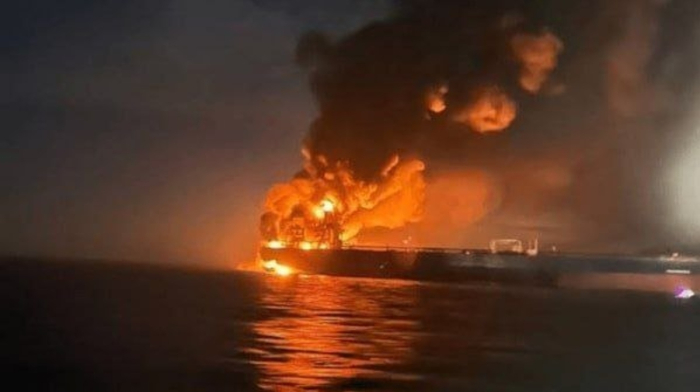
Explosive-laden Iranian boats reportedly attacked two fuel tankers in Iraqi waters on Wednesday, killing one crew member, after four other vessels were hit in the Gulf. The attacks, targeting ships linked to the U.S. and Europe, raise the total struck in the region.
A towering lava fountain from Kilauea shot about 400 metres into the air late on Tuesday (11 March) on Hawaii Island, prompting temporary closures at Hawaii Volcanoes National Park and part of a key highway as volcanic ash and debris fell over nearby areas.
The Strait of Hormuz has become a focal point of global concern as tensions rise following the conflict involving Iran, the United States and Israel. Tehran has threatened to block the strategic waterway, raising fears of disruption to global oil shipments and energy markets.
Norwegian police apprehended three brothers suspected of carrying out Sunday's (8 March) bombing at the U.S. embassy in Oslo, in an attack investigators have branded an act of terrorism.
Start your day informed with AnewZ Morning Brief. Here are the top news stories for the 12th of March, covering the latest developments you need to know.
Norwegian police apprehended three brothers suspected of carrying out Sunday's (8 March) bombing at the U.S. embassy in Oslo, in an attack investigators have branded an act of terrorism.
Oil prices continue to fluctuate as a result of the conflict in the Middle East with Iran and the insecurity of ships sailing through the key Strait of Hormuz route. Iran has said it will target any ship linked to the U.S., Israel or their allies.
Britain has deployed the Royal Navy destroyer HMS Dragon to the eastern Mediterranean to strengthen protection for its military assets in the Middle East after a drone strike targeted a key UK air base in Cyprus earlier this month.
Member countries of the International Energy Agency have unanimously agreed to release 400 million barrels of oil from emergency reserves to stabilise global markets disrupted by the war involving Iran.
You can download the AnewZ application from Play Store and the App Store.
What is your opinion on this topic?
Leave the first comment