EU leaders condemn hybrid attacks by Russia and Belarus
European Union leaders on Thursday denounced a wave of hybrid attacks against the bloc, attributing them to Russia and Belarus, and called for stronge...
The United States is pulling out of UNESCO once again under President Donald Trump, citing anti-Israel bias, rising Chinese influence, and what the White House calls a 'woke agenda.'
President Donald Trump has announced that the United States will withdraw from UNESCO, accusing the UN cultural agency of promoting 'anti-American, anti-Israel views and a woke agenda.'
The decision follows a 90-day internal review and reverses President Biden’s 2023 move to rejoin the organization and repay more than $600 million in back dues.
White House deputy spokesperson Anna Kelly stated, “President Trump has decided to withdraw the United States from UNESCO — which supports woke, divisive cultural and social causes.”
UNESCO chief Audrey Azoulay said she deeply regretted Trump's decision, but that it was "expected, and UNESCO has prepared for it".
The agency had diversified its sources of funding, receiving only about 8% of its budget from Washington, she said.
The administration also objected to initiatives like the 2023 'anti-racism toolkit' and the 2024 'Transforming MEN’talities' campaign, which they claimed “promote divisive social causes.”
Concerns were also raised about China’s growing influence within UNESCO. “China has leveraged its influence over UNESCO to advance global standards that are favorable to Beijing’s interests,” an official said, pointing to Chinese nationals in senior leadership and funding contributions.
This marks the third U.S. exit from UNESCO, following previous withdrawals under Ronald Reagan in 1983 and Donald Trump in 2017, both times citing politicization and anti-Western bias.

The latest clashes between Thailand and Cambodia mark a dangerous escalation in one of Southeast Asia’s oldest and most sensitive disputes.
In the complex world of international diplomacy, the ongoing tensions between India and Pakistan have raised significant questions about the role of third-party mediation.
Citizens from an additional seven countries, including Syria, are being banned from travelling to the U.S. from the 1st of January next year. President Donald Trump made the annoucement on Tuesday (16 December) now has a total of 39 countries banned from entering the States.
Austria’s public broadcaster ORF, which is hosting the Eurovision Song Contest next year, has said it will not block Palestinian flags in the audience or suppress crowd reactions during Israel’s performance.
Police in Australia have charged a man who allegedly opened fire on a Jewish event on Sydney's Bondi Beach with 59 offences, including 15 counts of murder and one of committing a terrorist act.
Brazilian President Luiz Inácio Lula da Silva has offered to mediate between the U.S. and Venezuela, warning that urgent diplomatic intervention is needed to prevent a “fratricidal war” in Latin America.
Türkiye has enhanced its environmental and cultural conservation efforts, registering 10,503 monumental trees and 319 caves nationwide, the Ministry of Environment, Urbanisation and Climate Change confirmed.
Former Iraqi President Barham Ahmed Salih has been elected by the UN General Assembly as the next High Commissioner for Refugees, beginning a five-year term on 1 January 2026.
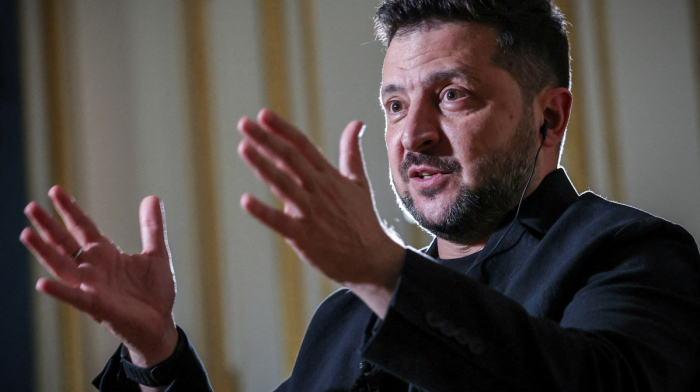
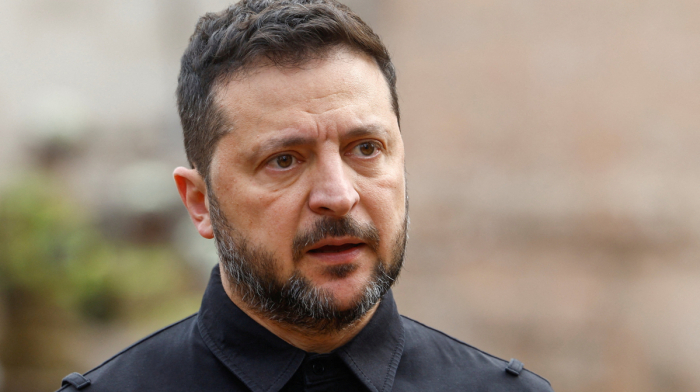
Ukrainian President Volodymyr Zelenskyy arrived in Poland on Thursday following a summit of the European Council in Brussels.
Russian Foreign Minister Sergey Lavrov arrived in Cairo on Thursday ahead of a two-day ministerial conference of the Russia-Africa Partnership Forum.
You can download the AnewZ application from Play Store and the App Store.
What is your opinion on this topic?
Leave the first comment