U.S.-Israeli strikes on Iran: What we know so far
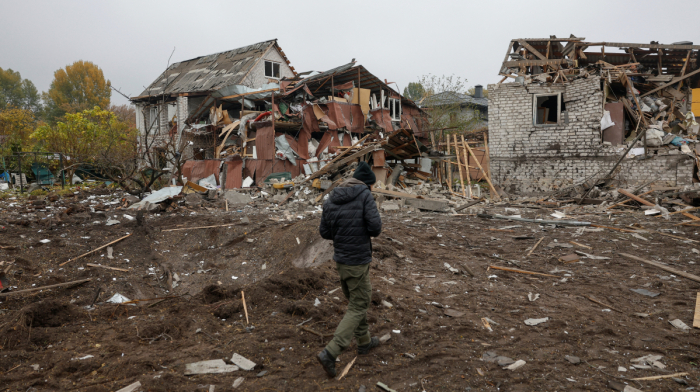
The United States and Israel have carried out large-scale strikes on Iranian leadership and military targets, with Iranian state media confirming t...
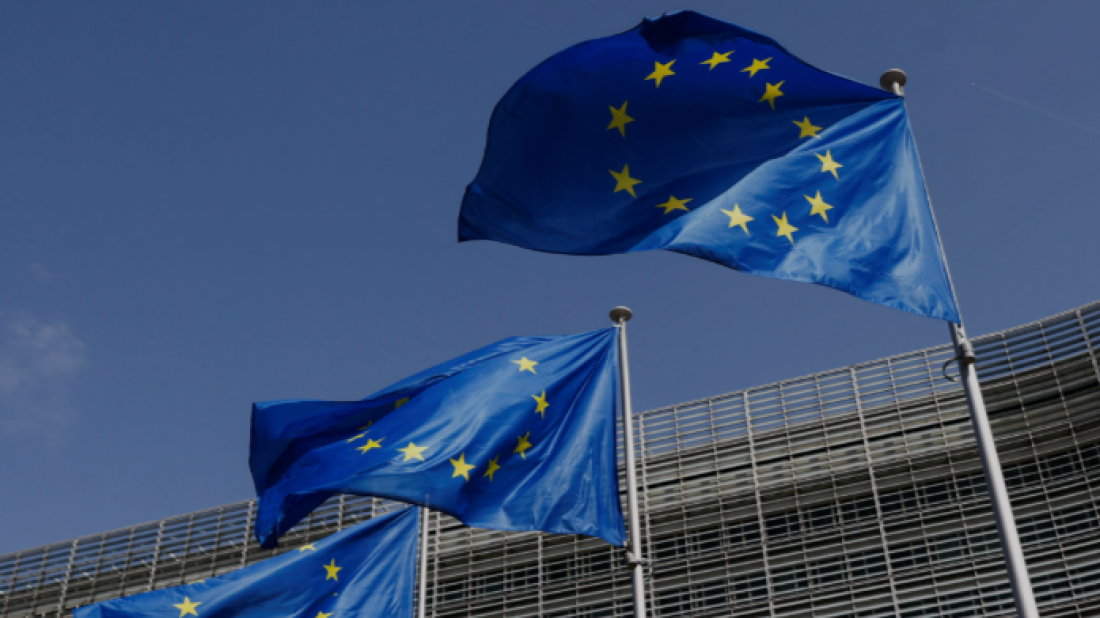
Tensions are rising as the EU considers tougher trade retaliation against the U.S., following a breakdown in negotiations and looming tariffs.
The European Union is preparing stronger countermeasures against the U.S. after trade talks faltered and President Trump threatened a 30% tariff on EU exports by 1 August.
EU diplomats say support is growing, especially from Germany for activating a broad 'anti-coercion' tool that could target U.S. services, public tenders, and investments.
EU Trade Commissioner Maros Sefcovic warned such tariffs would 'practically prohibit' trade, while diplomats say Washington failed to offer consistent solutions.
Though the EU still prefers a negotiated deal, the option to impose retaliatory tariffs on €72 billion worth of U.S. goods is under active consideration.
European Commission President Ursula von der Leyen said the anti-coercion measure was designed for 'extraordinary situations'—and now, the bloc may be nearing that point.
Washington has also rejected the EU's demand for a 'standstill' arrangement, whereby no further tariffs would be imposed after a deal is struck.
The rationale, according to diplomats, is that Trump's hands cannot be tied on national security, the basis of Section 232 trade investigations into pharmaceuticals, semiconductors and timber.

Follow the latest developments and global reaction after the U.S. and Israel launched “major combat operations” in Iran, prompting retaliation from Tehran.
Governments across the region responded swiftly to Israel’s strikes on Iran, closing airspace, issuing travel advisories and activating contingency plans amid fears of escalation.
Ayatollah Alireza Arafi has moved into a pivotal constitutional role following the death of Supreme Leader Ayatollah Ali Khamenei, becoming the clerical member of Iran’s temporary leadership council under Article 111 of the Constitution of the Islamic Republic of Iran.
A senior Iranian official has warned Israel to “prepare for what is coming”, insisting that Tehran’s response to the latest escalation in the Middle East will be made openly and without limits.
Ayatollah Ali Khamenei, Iran’s supreme leader for 36 years and the country’s highest political and religious authority, has died aged 86 following joint Israeli and U.S. strikes on his compound in Tehran.
Protests broke out in Pakistan and Iraq on Sunday after Iranian state media confirmed that Supreme Leader Ayatollah Ali Khamenei had been killed in joint U.S.–Israeli strikes. At least nine people were reported dead in clashes near the U.S. consulate in Karachi.
Afghanistan said it had fired at Pakistani aircraft over Kabul after explosions and gunfire rocked the capital early on Sunday, marking a sharp escalation in fighting between the two neighbours.
A senior Iranian official has warned Israel to “prepare for what is coming”, insisting that Tehran’s response to the latest escalation in the Middle East will be made openly and without limits.
Cuba has released extensive details of a deadly midweek shootout at sea, showing rifles, pistols and nearly 13,000 rounds of ammunition that it says were carried by a group of exiles who attempted to enter the island by speedboat.
Afghanistan’s Taliban rulers said on Friday (27 February) they were ready to negotiate after Pakistan bombed their forces in several Afghan cities, including Kabul and Kandahar, and Islamabad declared the neighbours were now in "open war".
You can download the AnewZ application from Play Store and the App Store.
What is your opinion on this topic?
Leave the first comment