Prominent Indian politician Ajit Pawar dies in charter plane crash
A private charter flight carrying one of India’s most prominent regional politicians ended in disaster on Wednesday morning, plunging the nation’s...
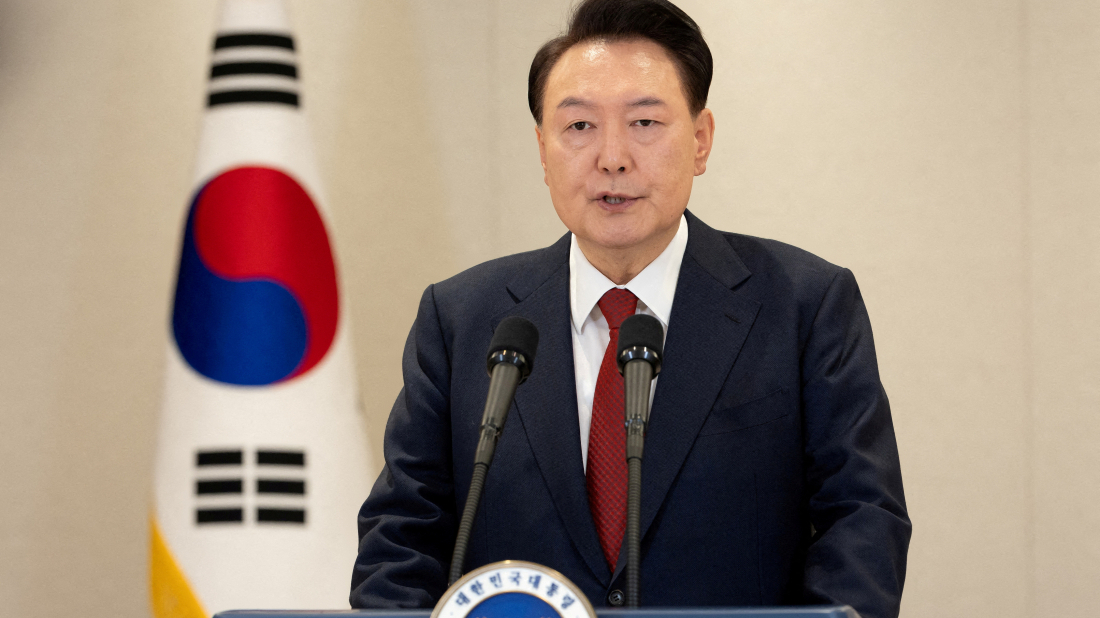
A second impeachment motion against South Korean President Yoon Suk Yeol was submitted to parliament today, following the failure of the first attempt on December 7.
The initial motion was blocked after most members of Yoon's ruling People Power Party (PPP) chose to boycott the vote, leaving opposition lawmakers without enough support to oust the president. Despite this setback, the situation has shifted in recent days, with at least seven PPP lawmakers now publicly supporting the impeachment effort.
On Thursday, President Yoon addressed the growing political turmoil, defending his brief declaration of martial law from earlier in the week. Yoon explained that the move was necessary to protect the country’s democracy, emphasizing that it was made in the face of what he described as growing political unrest. He also vowed to fight back against attempts to impeach him, signaling his resolve to remain in office despite the mounting political pressure.
In response, opposition parties, which control the National Assembly, are pushing ahead with their plans to hold a second vote on Saturday. This time, the opposition will need support from at least eight members of Yoon's People Power Party (PPP) to reach the two-thirds majority required to pass the impeachment motion.
The situation has placed South Korea's political landscape in a state of uncertainty, with the outcome of Saturday’s vote set to have major implications for President Yoon’s presidency.

Iran’s Foreign Ministry has strongly rejected a U.S. magazine report on the death toll during January unrest. Nationwide protests erupted in response to soaring inflation and a national currency crisis.
The death toll from nationwide protests in Iran has climbed to 6,126, according to the U.S.-based Human Rights Activists News Agency (HRANA).
NATO Secretary General Mark Rutte said on Monday that Europe is "incapable" of defending itself alone without the United States, dismissing calls for a separate European defence force and stressing that transatlantic cooperation remains essential for the continent’s security.
Germany’s Federal Chancellery has addressed allegations that the current Chancellor Friedrich Merz filed hundreds of criminal complaints for defamatory remarks and insults against him in the years before he took office.
France’s National Assembly has approved a bill banning access to social media for children under 15, a move backed by President Emmanuel Macron and the government as part of efforts to protect teenagers’ mental and physical health.
Brussels and Hanoi are set to sign a historic diplomatic upgrade. The partnership focuses on de-risking supply chains, tapping critical minerals, and expanding semiconductor capacity.
Spain’s Socialist-led government presented a draft decree on Tuesday to expedite legal status for hundreds of thousands of undocumented immigrants.
Start your day informed with AnewZ Morning Brief: here are the top news stories for the 28 January, covering the latest developments you need to know.
Police arrested a man who sprayed Democratic U.S. Representative Ilhan Omar with a foul-smelling liquid in Minneapolis on Tuesday as she condemned the actions of U.S. Immigration and Customs Enforcement officials in Minnesota.
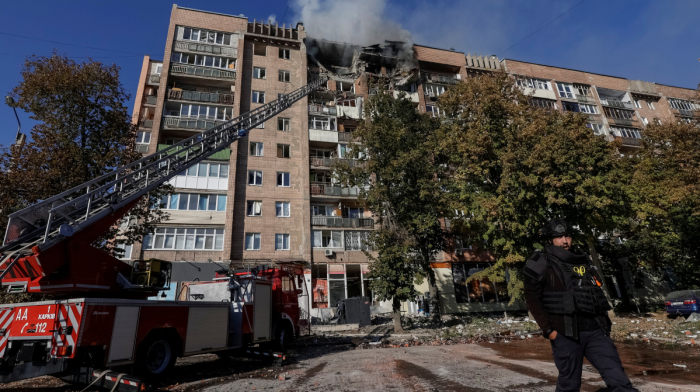
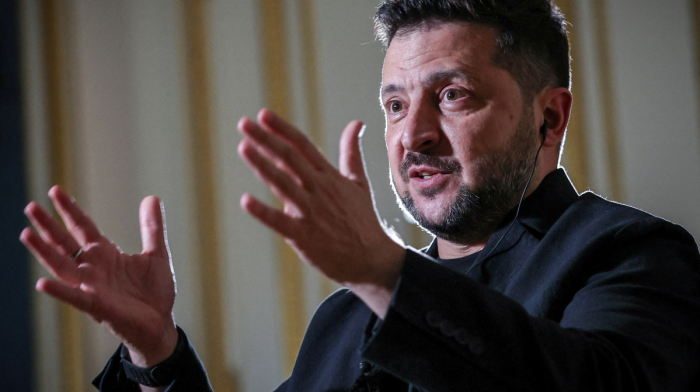
A Russian drone strike on a passenger train in northeastern Ukraine killed five people, prosecutors said on Tuesday, an attack denounced as terrorism by Ukrainian President Volodymyr Zelenskyy.
You can download the AnewZ application from Play Store and the App Store.
What is your opinion on this topic?
Leave the first comment