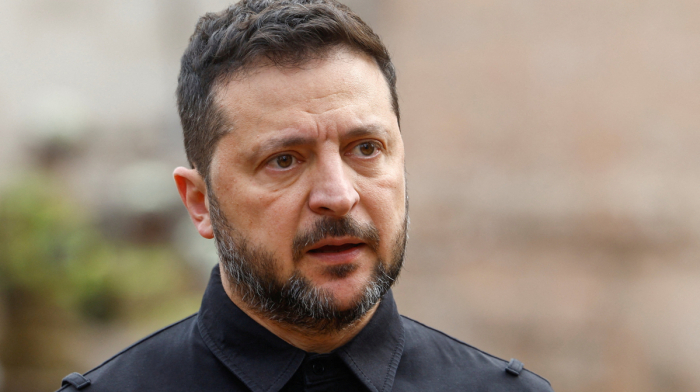
live Kremlin rejects 60-day ceasefire proposal, calls for comprehensive peace deal
The Kremlin on Monday rejected a 60-day ceasefire idea proposed by Ukrainian President Volodymyr Zelenskyy to...
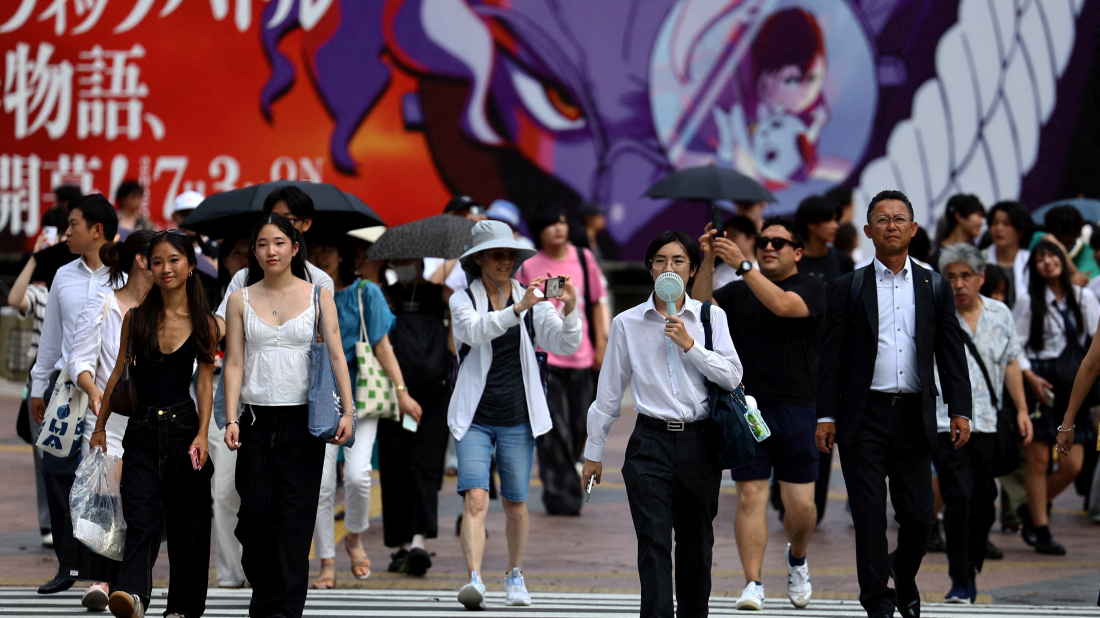
Ahead of Sunday’s upper house election, Japan has established an administrative body to coordinate government responses to crime, over-tourism, and public unease linked to the country’s growing foreign population.
On July 15, the Japanese government launched a new cross-agency administrative body designed to address concerns over the rapid increase in the number of foreign nationals, which has emerged as a key issue in the upcoming July 20 national election.
The new "control tower" body aims to tackle a range of issues—such as crime and the strain of over-tourism—often associated with the growing presence of non-Japanese residents, according to officials.
Japan, known for its historically strict immigration stance, has slowly eased rules in recent years to offset its declining and ageing workforce. As of last year, the number of foreign residents reached a record 3.8 million—roughly 3% of the population.
The formation of the body follows proposals from ruling Liberal Democratic Party (LDP) lawmakers in June calling for a “harmonious coexistence with foreign nationals.” The suggested measures include tighter rules for converting foreign driver’s licences and real estate purchases.
Prime Minister Shigeru Ishiba cited public anxiety over “crimes and disorderly conduct by some foreigners,” adding that the inappropriate use of public systems had led citizens to feel “uneasy and cheated.”
The issue has fuelled rising support for the nationalist Sanseito party, which promotes a “Japanese First” platform. Recent opinion polls suggest the ruling LDP-Komeito coalition risks losing its majority in the upper house.

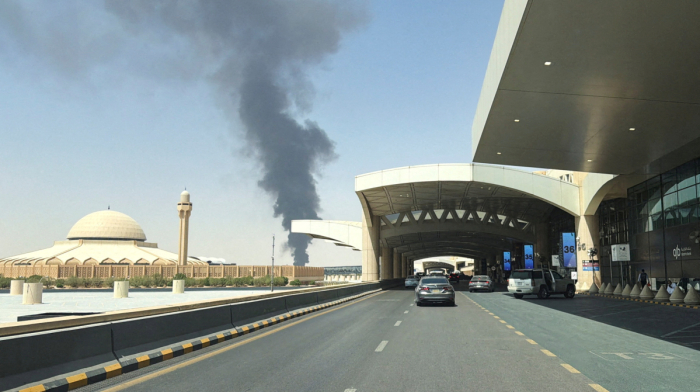
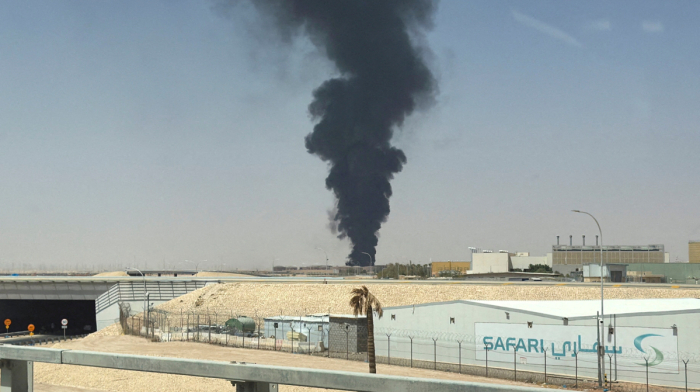
The explosion at King Khalid International Airport in Riyadh on Saturday afternoon killed at least 12 people and injured a further 309, according to Saudi Arabia’s Civil Aviation Authority. The airport remains closed until further notice.
One person was killed and nearly a dozen hurt in a fresh attack on Riyadh's international airport on Sunday, Saudi authorities reported, a day after a strike claimed by Yemen's Houthis killed 13 people and wounded more than 300.
Yemen's Houthis renewed warning to airlines, airport workers, and travellers against using Saudi airports, saying the warning should be taken seriously and that the kingdom “bore responsibility for failed interceptions”, a day after an attack on Riyadh's international airport that killed 12 people.
The Houthi movement has escalated their attacks on Saudi Arabia, targeting the airport in Riyadh and other cities, killing more than a dozen people.
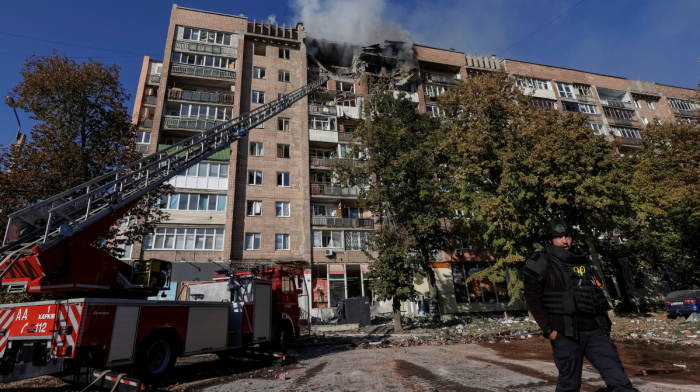
Ukraine is ready to stop attacks on Russian oil refineries if Moscow also halts strikes on Ukrainian energy infrastructure, President Volodymyr Zelenskyy said on Sunday.
The Kremlin on Monday rejected a 60-day ceasefire idea proposed by Ukrainian President Volodymyr Zelenskyy to allow his country to hold presidential elections, saying it wanted an overall peace deal instead.
Here's your AnewZ Daily Brief for 12 October 2026 with the top five natural disasters happening around the world.
The Houthi movement has escalated their attacks on Saudi Arabia, targeting the airport in Riyadh and other cities, killing more than a dozen people.
Ukrainian President Volodymyr Zelenskyy said on Monday that Ukraine is ready to respect the energy ceasefire announced by U.S. President Donald Trump, but only if Russia does the same, saying Moscow has already violated the agreement.
China has announced sanctions against Belize’s foreign minister and Paraguay’s communications minister over their countries’ diplomatic ties with Taiwan. The move comes as Beijing continues to pressure the few remaining nations that maintain formal diplomatic relations with Taipei.
You can download the AnewZ application from Play Store and the App Store.
What is your opinion on this topic?
Leave the first comment