Hopes for a Ukraine ceasefire have buoyed bond prices, but investors remain sceptical that Friday’s Trump–Putin summit will yield major breakthroughs.
Investors have tempered expectations of a significant diplomatic advance in the Ukraine conflict as U.S. President Donald Trump and Russian President Vladimir Putin prepare to meet in Alaska on Friday. Despite initial optimism, Ukraine's government bonds remain deeply distressed, trading around 55 cents on the dollar.
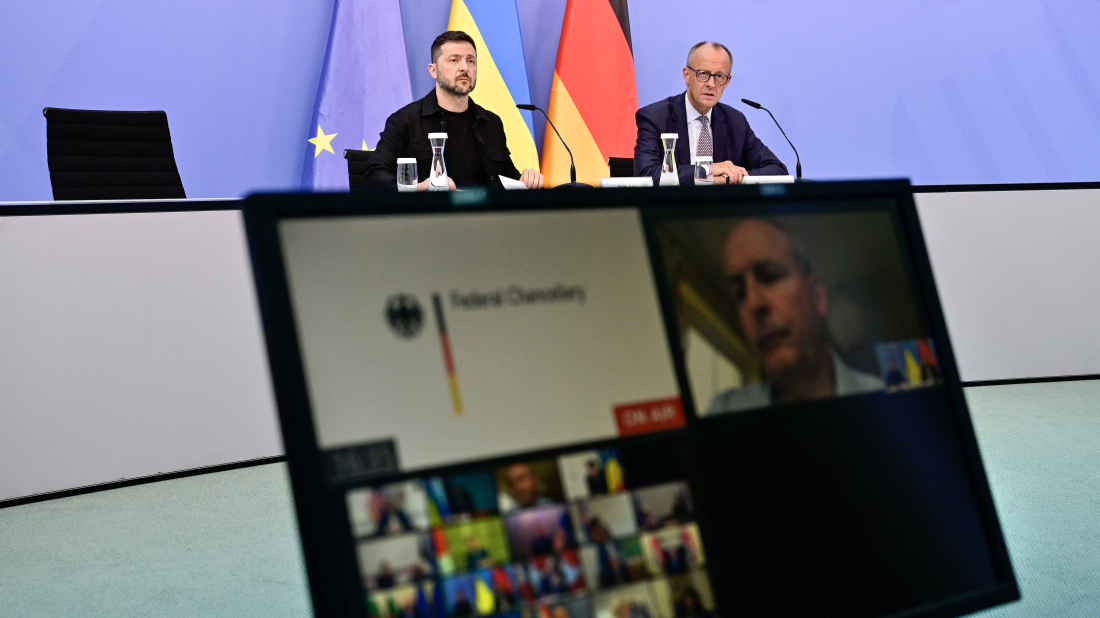
The summit, due to begin at 11 a.m. Alaska time (1900 GMT), is expected to be a preliminary discussion. President Trump has described it as a “listening exercise,” while warning of “severe consequences” if talks fail. He has also floated the possibility of involving Ukrainian President Volodymyr Zelenskyy in a future round.
Analysts say investors are increasingly wary of over-interpreting signals. “The bar is pretty high for any meaningful progress,” said Kathryn Exum of Gramercy, noting that recent gains in Ukrainian debt reflect hopes for a symbolic truce, not a lasting settlement.
Diliana Deltcheva, head of emerging market debt at Robeco, said EU leaders’ calls with Trump earlier this week had been a “modest positive,” but she warned that the summit is unlikely to deliver substantive results. “We had a small overweight [in Ukraine bonds] but now we have neutralised it,” she added.
The International Monetary Fund and others estimate that Ukraine may require further debt restructuring to meet its financing needs, following a $20 billion rework in 2024.
U.S. bank JPMorgan said chances of a peace deal this year remained “insignificant” and warned that even a full ceasefire is unlikely. Still, geopolitical strategist Christopher Granville of TS Lombard suggested Friday’s talks could mark “the definitive start of the concluding phase of the Ukraine war.”
Ukraine’s bonds edged slightly higher on Friday, remaining just below five-month highs. Meanwhile, oil and gas prices have declined in recent weeks on hopes that a ceasefire might ease secondary sanctions and allow resumed Arctic drilling by the U.S. and Russia.
Some investors remain cautious following Trump’s volatile stance on Ukraine. His clash with Zelenskyy in the Oval Office in February, during which he referred to the Ukrainian leader as a “dictator,” was described by Robeco’s Deltcheva as “traumatising” for assumptions about U.S. policy direction.
If Friday’s talks exceed expectations, Deltcheva said, “then we will probably have to react.” JPMorgan analysts also forecast that currencies such as the Polish zloty, Hungarian forint, and Czech koruna could rise up to 4% if a ceasefire is reached—or fall 1% if the summit fails.

















What is your opinion on this topic?
Leave the first comment