live Iran closes Strait of Hormuz again over U.S. blockade, state media says- Saturday 18 April
Iran's Islamic Revolutionary Guards Corps (IRGC) said in a Saturday statement that the Strait of Hormuz has...
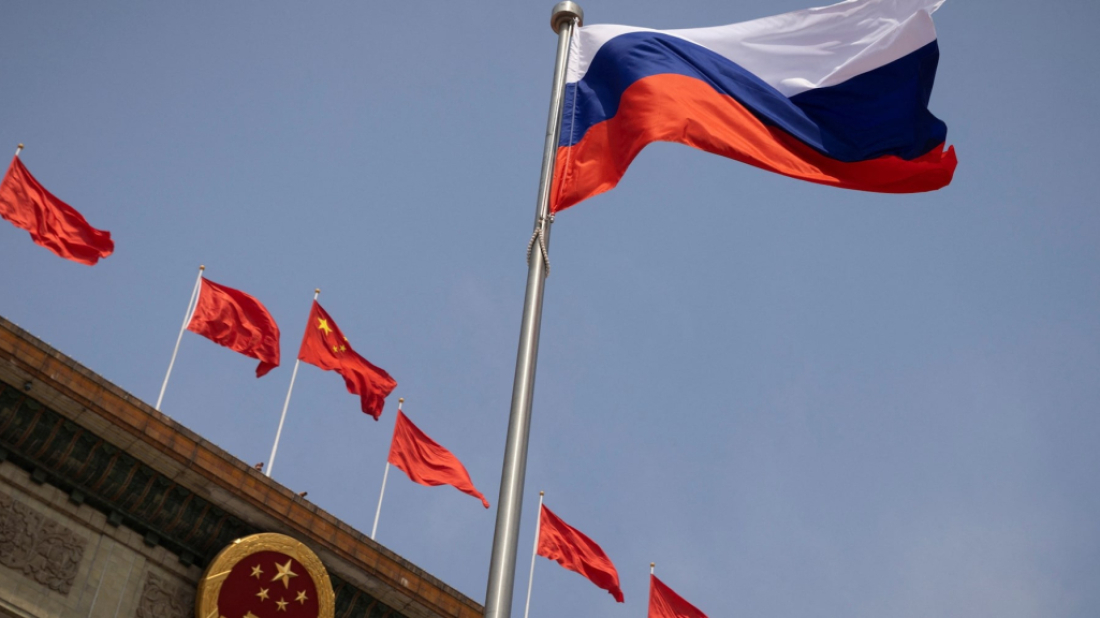
Russian Foreign Minister Sergei Lavrov and his Chinese counterpart Wang Yi agreed in Beijing on Sunday to tighten coordination in forums from the United Nations to the G20, while reviewing prospects for ending the war in Ukraine and managing strained ties with the United States.
Meeting on the eve of a Shanghai Cooperation Organisation foreign-ministers’ gathering, the two men “emphasised the importance of strengthening close coordination” across multilateral bodies, Russia’s foreign ministry said in a statement.
Lavrov and Wang also “discussed relations with the United States and prospects for resolving the Ukrainian crisis,” according to the ministry, which gave no details of any peace initiative.
Moscow and Beijing declared a “no-limits” partnership in February 2022, just days before President Vladimir Putin launched his full-scale invasion of Ukraine.
Washington brands China its top strategic competitor and Russia its leading nation-state threat, a stance both governments dismiss as Cold-War thinking. Beijing has refused to condemn Russia’s invasion, instead calling for a ceasefire and talks while expanding trade that now covers more than 90 % of Russian oil exports, according to Chinese customs data.
Lavrov arrived in Beijing from North Korea, where Pyongyang last week pledged further support for Russia’s war effort. He is expected to press fellow SCO members—who include India and several Central Asian states—to back Moscow’s position on Ukraine when the bloc’s leaders meet later this year.
Analysts say the foreign-minister meeting highlights a deepening geopolitical alignment that could complicate Western efforts to isolate Russia.
“Beijing gains leverage over both Moscow and Washington by keeping the partnership warm, while the Kremlin gains diplomatic cover,” said Alexander Gabuev of the Carnegie Russia Eurasia Center.
The pair are likely to cross paths again at the BRICS summit in Kazan in October and at November’s G20 leaders’ meeting in Rio de Janeiro, where Western diplomats hope China might still press Russia to accept a negotiated settlement.

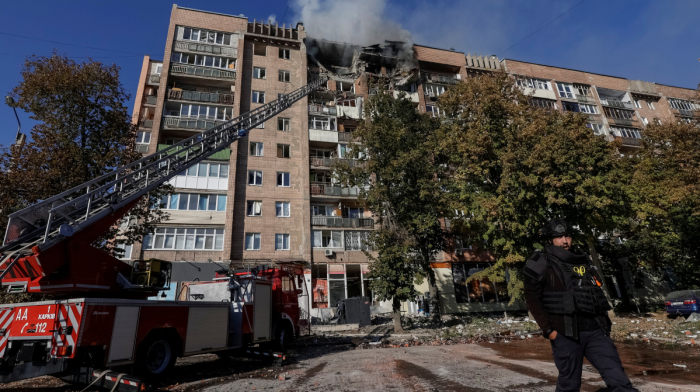
The past 24 hours of the Russia-Ukraine war have seen a drastic escalation in both aerial bombardment and frontline losses.
Iran reopened the Strait of Hormuz to commercial shipping on Friday (17 April) for the first time since the U.S. and Israel killed Iran's ex-Supreme Leader in air strikes, triggering the Middle East conflict, at the end of February. A U.S. blockade on Iranian ports, however, remains in force.
Russia published addresses of manufacturers allegedly producing drones or components for Ukraine on Wednesday (15 April), warning European countries against plans to step up UAV supplies to Kyiv.
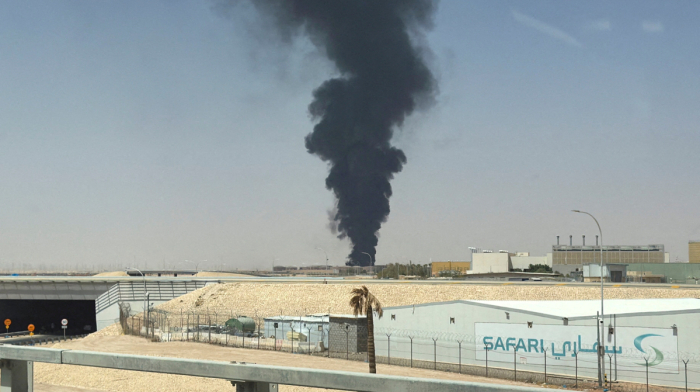
Iran's Islamic Revolutionary Guards Corps (IRGC) said in a Saturday statement that the Strait of Hormuz has returned to its "previous state" under the control of its "armed forces," citing the ongoing U.S. blockade on Iranian ports.
Netflix shares fell sharply on Friday after the streaming group issued a weaker-than-expected outlook and said chairman and co-founder Reed Hastings will step down from the board.
The Trump administration extended a sanctions exemption on some Russian oil as prices continue to skyrocket in the wake of the U.S.- Israeli war against Iran on Friday (17 April).
Australia and Japan signed contracts on Saturday (18 April) launching their landmark A$10 billion ($7 billion) deal to supply Australia with warships, Tokyo's most consequential military sale since ending a military export ban in 2014.
Leaders from across Europe and beyond gathered in Paris on Friday for a summit aimed at managing the global impact of the Middle East conflict.
European leaders have set out plans for a coordinated defensive mission to restore freedom of navigation in the Strait of Hormuz, once security conditions allow, following talks involving more than 40 countries.
NeaNearly 900 Rohingya refugees were reported missing or dead in the Andaman Sea off Myanmar in 2025, making it the deadliest year on record, the United Nations Refugee Agency said on Friday.
You can download the AnewZ application from Play Store and the App Store.
What is your opinion on this topic?
Leave the first comment