China, Russia call for talks amid rising Iran conflict
China’s Foreign Minister Wang Yi has held talks with his Russian counterpart Sergei Lavrov following recent mil...
U.S. President Donald Trump said that pharmaceutical imports could face tariffs of up to 200%, with details expected by the end of July following an ongoing national security review.
Speaking at a Cabinet meeting at The White House on Tuesday, Trump said drugmakers would have a year to shift supply chains before facing steep tariffs.
“If they have to bring the pharmaceuticals into the country … they’re going to be tariffed at a very, very high rate, like 200%,” he said.
Trump also indicated new levies on imported semiconductors and other goods were being prepared, without giving precise timelines. A new tariff rate on copper was also announced during the meeting.
Commerce Secretary Howard Lutnick later told CNBC that final decisions on pharmaceutical and semiconductor tariffs would come once ongoing studies conclude later this month. “The president will then set his policies,” he said.
The administration launched a formal investigation into pharmaceutical supply chains in April, arguing that foreign reliance on medicine production poses a national security threat. The Commerce Department is leading the review but has not yet released its findings.
The proposal, if enacted, would represent a significant shift in U.S. trade policy on health products and comes amid wider efforts to increase domestic manufacturing across strategic industries.

Follow the latest developments and global reaction after the U.S. and Israel launched “major combat operations” in Iran, prompting retaliation from Tehran.
Ayatollah Alireza Arafi has moved into a pivotal constitutional role following the death of Supreme Leader Ayatollah Ali Khamenei, becoming the clerical member of Iran’s temporary leadership council under Article 111 of the Constitution of the Islamic Republic of Iran.
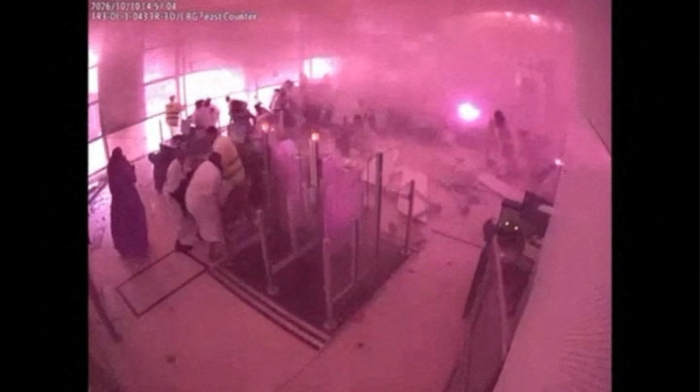
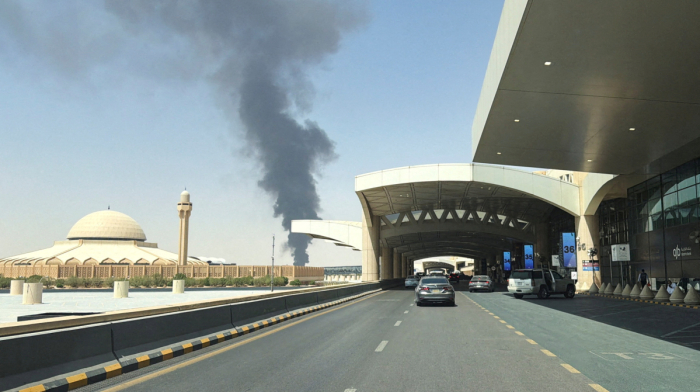
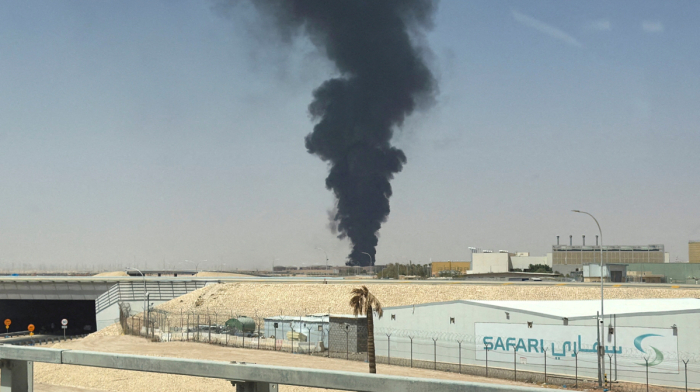
Saudi Arabia’s state oil giant Saudi Aramco closed its Ras Tanura refinery on Monday following an Iranian drone strike, an industry source told Reuters as Tehran retaliated across the Gulf after a U.S.-Israeli attack on Iranian targets over the weekend.
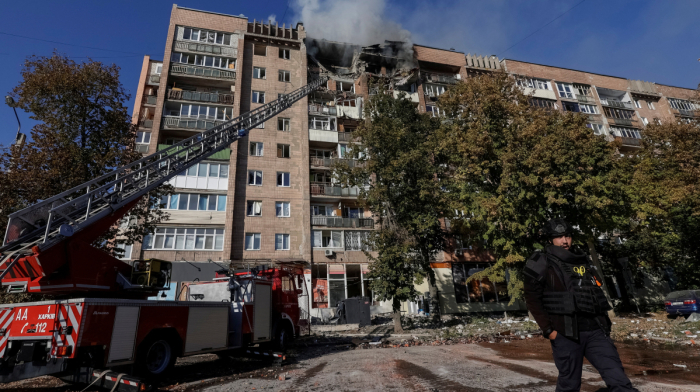
The Kremlin is utilising the recent United States and Israeli military strikes on Iran to validate its ongoing war in Ukraine. Russian officials are pointing to the escalation in the Middle East as evidence that Western nations do not adhere to international rules.
The Middle East crisis intensifies after the deadly attack on Iran's Supreme Leader Ali Khamenei's compound on Saturday that killed him, wife and other family members and senior figures. Iran has launched retaliatory strikes on U.S. targets in the region.
The UK said it's allowing the U.S. to use its bases for defensive strikes against Iran amid escalating missile attacks, after a suspected drone strike hit a British airbase in southern Cyprus, causing limited damage.
The Kremlin is utilising the recent United States and Israeli military strikes on Iran to validate its ongoing war in Ukraine. Russian officials are pointing to the escalation in the Middle East as evidence that Western nations do not adhere to international rules.
European Union stands with its member states in the face of any threat, EU Commission President Ursula von der Leyen said in response to the drone strike that hit Britain's Royal Air Force base of Akrotiri in southern Cyprus overnight.
Start your day informed with AnewZ Morning Brief. Here are the top news stories for the 27th of February, covering the latest developments you need to know.
Protests broke out in Pakistan and Iraq on Sunday after Iranian state media confirmed that Supreme Leader Ayatollah Ali Khamenei had been killed in joint U.S.–Israeli strikes. At least nine people were reported dead in clashes near the U.S. consulate in Karachi.
You can download the AnewZ application from Play Store and the App Store.
What is your opinion on this topic?
Leave the first comment