'All very positive': U.S. President Trump hails call with China's President Xi
U.S. President Donald Trump held an “excellent” phone call with Chinese President Xi Jinping on Wednesday, (4 February), to discuss trade, energy,...
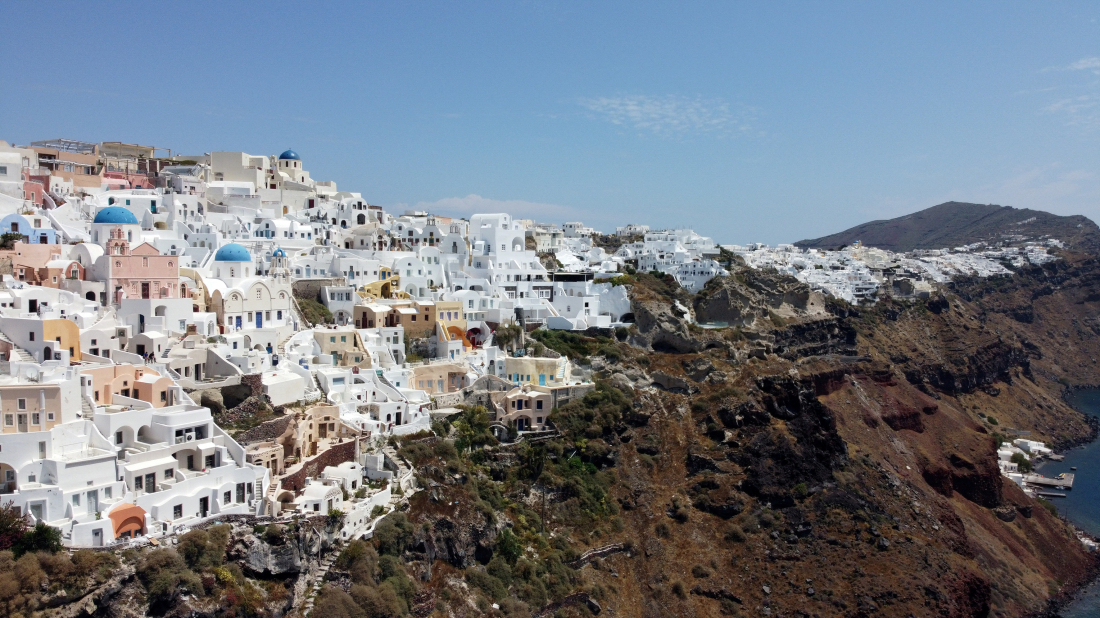
Greece is experiencing a deepening water crisis, with both surface and underground reserves dropping sharply due to overuse, outdated infrastructure, and prolonged drought, local media reported Friday.
A major survey cited by Greek daily To Vima has revealed severe declines in the country’s water reserves, both above and below ground, raising concerns over water security. The findings, based on data from the Hellenic Survey of Geology and Mineral Exploration (EAGME), show that strategic underground aquifers are nearing critical depletion.
The crisis is exacerbated by excessive water extraction for agriculture and tourism, ageing infrastructure, and the lack of a national water strategy. Touristic regions such as the Aegean islands, Moudania, and Kassandra in the Chalkidiki Peninsula are facing growing shortages of potable water.
Prolonged drought conditions—particularly in southern and eastern areas such as Crete, the Peloponnese, and several Cycladic islands—have further reduced rainfall and snowfall, intensifying the situation.
Experts warn that without urgent action, including infrastructure upgrades and a coordinated national response, the country’s ability to manage its water resources will continue to deteriorate.

Cuba’s Deputy Foreign Minister Carlos Fernández de Cossío has denied that Havana and Washington have entered formal negotiations, countering recent assertions by U.S. President Donald Trump, while saying the island is open to dialogue under certain conditions.
Talks with the U.S. should be pursued to secure national interests as long as "threats and unreasonable expectations" are avoided, President Masoud Pezeshkian posted on X on Tuesday (3 February).
Rivers and reservoirs across Spain and Portugal were on the verge of overflowing on Wednesday as a new weather front pounded the Iberian peninsula, compounding damage from last week's Storm Kristin.
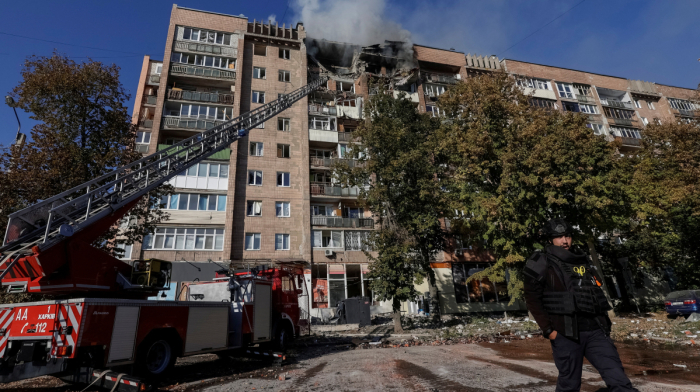
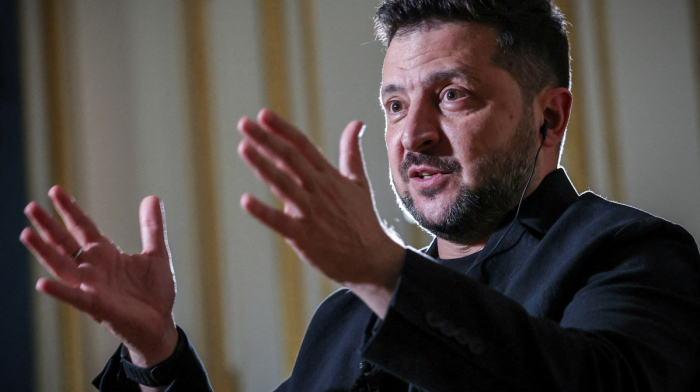
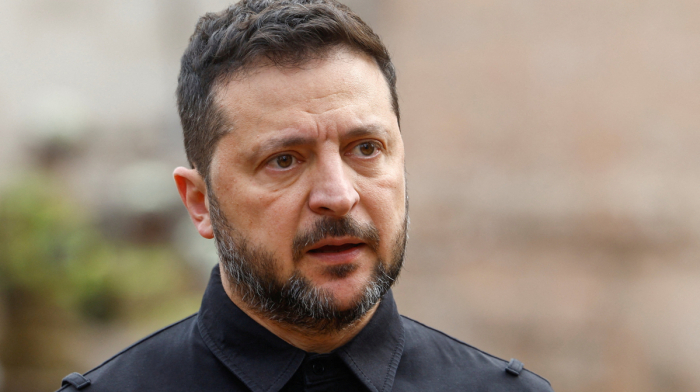
Ukrainian President Volodymyr Zelenskyy accused Russia on Tuesday (3 February) of exploiting a U.S.-backed energy ceasefire to stockpile weapons and launch large-scale drone and missile attacks on Ukraine ahead of peace talks.
Morocco has evacuated more than 100,000 people from four provinces after heavy rainfall triggered flash floods across several northern regions, the Interior Ministry said on Wednesday.
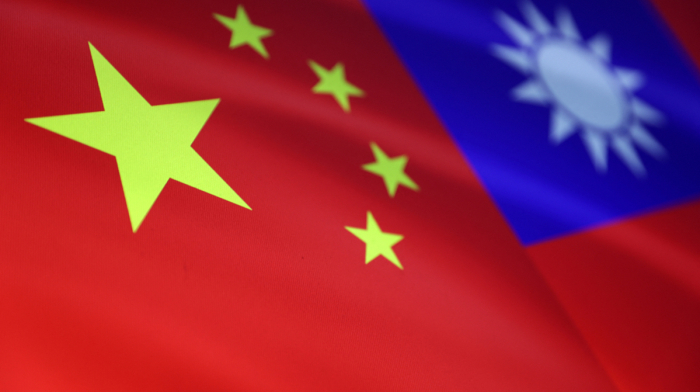
U.S. President Donald Trump held an “excellent” phone call with Chinese President Xi Jinping on Wednesday, (4 February), to discuss trade, energy, Taiwan, Iran, and Russia’s war in Ukraine, ahead of Trump’s planned visit to Beijing in April.
Start your day informed with AnewZ Morning Brief: here are the top news stories for the 5th of February, covering the latest developments you need to know.
The United States and Argentina have signed a framework agreement to strengthen cooperation on critical minerals on Thursday (4 February), reaffirming a shared commitment to building secure, resilient and competitive supply chains.
An explosion and fire erupted after a fuel-laden freight train derailed at Kochyetovka station in Michurinsk, Russia, on Tuesday (4 February), halting rail traffic and triggering a major emergency response, authorities said.
Ukrainian and Russian officials wrapped up a "productive" first day of new U.S.-brokered talks in Abu Dhabi, Kyiv's lead negotiator said on Wednesday (4 February).
You can download the AnewZ application from Play Store and the App Store.
What is your opinion on this topic?
Leave the first comment