live Iran’s Supreme Leader Ayatollah Ali Khamenei is dead
Follow the latest developments and global reaction after the U.S. and Israel launched “major combat operations” in Iran, prompting reta...
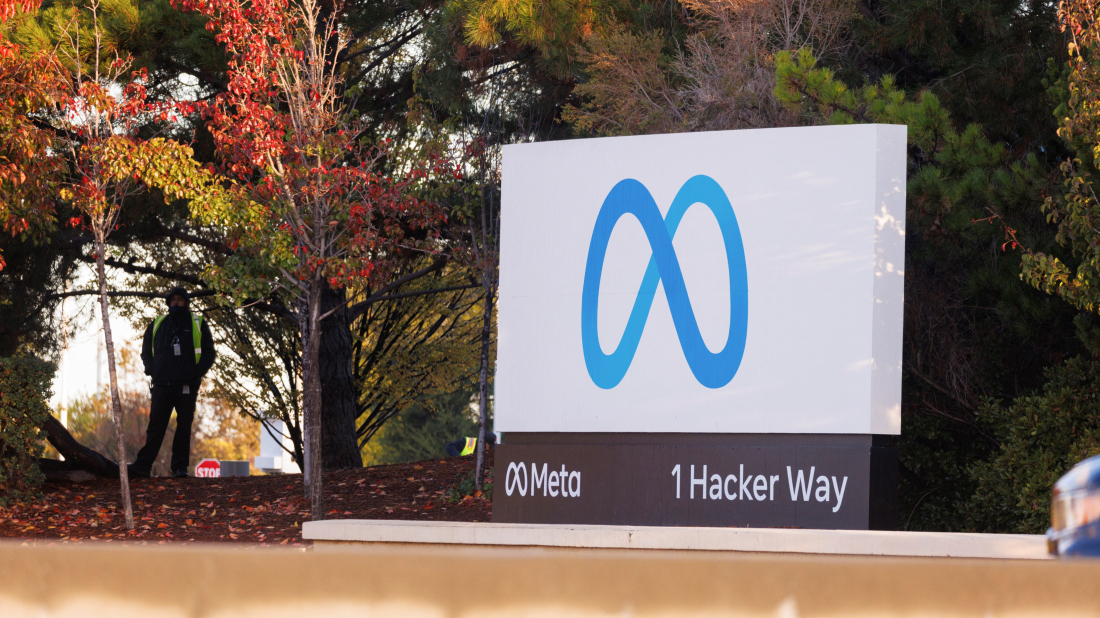
Meta and Russian search engine Yandex have been secretly tracking what Android users do on their web browsers—even when users are in private or incognito mode—according to experts from Radboud University and IMDEA Networks.
Researchers discovered that Meta’s apps like Facebook and Instagram, and Yandex’s apps such as Yandex Maps, were running hidden scripts in the background on Android phones. These scripts sent browser activity data back to the apps without users knowing or giving consent.
This bypasses Android’s security rules and breaks privacy protections built into browsers and the Android system itself.
Google confirmed these companies used Android features "in unintended ways that blatantly violate our security and privacy principles."
Meta said it’s investigating the issue and paused the tracking feature while working with Google. Yandex denied collecting sensitive data and said the feature only improves personalization in their apps.
The covert tracking by Meta reportedly lasted about eight months and involved data from 16,000 websites in the EU. Yandex has been doing this since 2017, with data from 1,300 sites.
Major browsers like Firefox, Microsoft Edge, and DuckDuckGo were affected, but Mozilla and DuckDuckGo have taken steps to block this kind of tracking.
Follow the latest developments and global reaction after the U.S. and Israel launched “major combat operations” in Iran, prompting retaliation from Tehran.
Tensions between the U.S. and Iran are escalating, with Washington ordering a significant military build-up in the region and multiple countries evacuating diplomatic staff amid fears of further instability.
Two people were killed and around 40 injured when a tram derailed in central Milan on Friday (27 February), a spokesperson for the local fire service said.
Governments across the region responded swiftly to Israel’s strikes on Iran, closing airspace, issuing travel advisories and activating contingency plans amid fears of escalation.
Pakistani air strikes hit a weapons depot on the western outskirts of Kabul overnight, triggering hours of secondary explosions that rattled homes across the Afghan capital and left residents fearing further violence.
South Korea will soon cease to be one of the few countries where Google Maps does not function fully, after its security-conscious government reversed a two-decade-old policy and approved the export of high-precision map data to overseas servers.
New research suggests 40,000-year-old carved objects from south-western Germany bear repeated marks arranged in organised sign sequences similar to early proto-cuneiform, although they are not regarded as a form of writing.
The chief executive of Google DeepMind, Demis Hassabis, has called for more urgent research into the risks posed by artificial intelligence, warning that stronger safeguards are needed as systems become more advanced.
NASA successfully completed a critical fueling rehearsal on Thursday (19 February) for its giant moon rocket, Artemis II, after earlier hydrogen leaks disrupted preparations for the next crewed lunar mission. The launch is scheduled for 6 March, according to the latest information from NASA.
ByteDance will take steps to prevent the unauthorised use of intellectual property on its artificial intelligence (AI) video generator Seedance 2.0, the Chinese technology firm said on Monday.
You can download the AnewZ application from Play Store and the App Store.
What is your opinion on this topic?
Leave the first comment