live Iranian supreme leader Ali Khamenei’s body has been found, according to Israeli official
Follow the latest developments and global reaction after the United States and Israel launched "major combat opera...
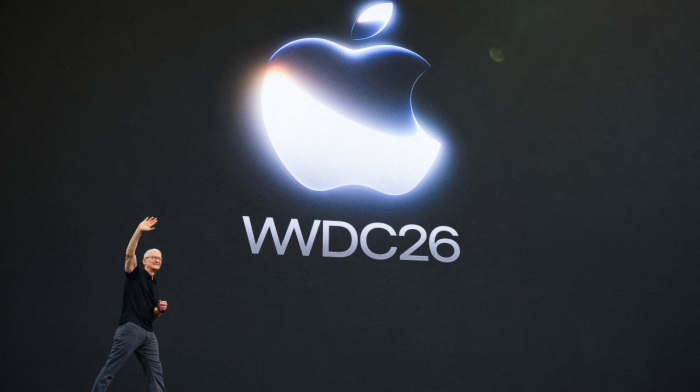
Apple announced on Friday that several planned artificial intelligence enhancements for its Siri voice assistant will now be delayed until 2026.
The company stated in a brief notice that it has been working on a more personalized Siri—one that better understands user context and can proactively perform actions across various apps—but the rollout of these features will take longer than initially projected.
The delay marks a shift from earlier expectations, as Apple had previously indicated that these advanced capabilities would debut in 2025. Although the company did not provide a detailed explanation for the postponement, it reiterated its commitment to refining the technology to meet user needs while ensuring a smooth integration with its ecosystem.
Last year, Apple unveiled a suite of AI-driven features under the banner of Apple Intelligence, which included capabilities such as rewriting emails and summarizing cluttered inboxes. The upcoming enhancements for Siri are designed to further leverage data stored directly on devices, allowing users to ask the assistant to pull up personalized recommendations—like a podcast suggested by a friend or real-time flight tracking information from a relative—without compromising privacy.
Apple is also investing in a robust new cloud computing infrastructure that runs on its own chips, a move intended to maintain the company’s strict privacy standards even as it expands AI functionalities. Currently, Siri handles about 1.5 billion user requests each day, underscoring the significant impact these improvements could have on daily user interactions.
The announcement comes as competitors accelerate their own AI innovations. Google recently integrated its Gemini model into its voice assistant, while Amazon rolled out a major AI-driven update for Alexa last month, offering enhanced features to both Prime subscribers and other customers.
As Apple continues to balance rapid technological advancement with its long-standing commitment to user privacy, industry watchers will be closely monitoring how these delays affect its competitive position in the evolving landscape of AI-powered digital assistants.
Follow the latest developments and global reaction after the United States and Israel launched "major combat operations" in Iran, prompting retaliation from Tehran.
Tensions between the U.S. and Iran are escalating, with Washington ordering a significant military build-up in the region and multiple countries evacuating diplomatic staff amid fears of further instability.
Two people were killed and around 40 injured when a tram derailed in central Milan on Friday (27 February), a spokesperson for the local fire service said.
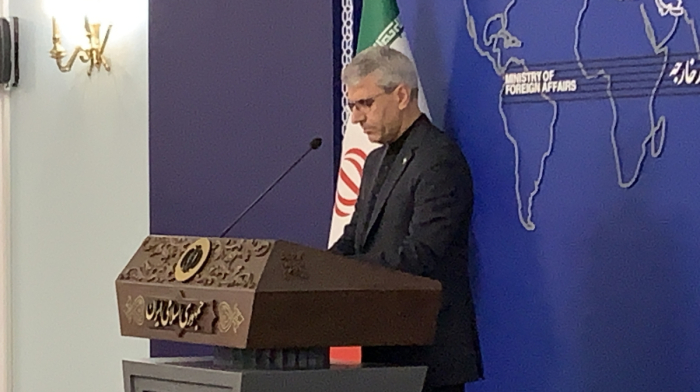
Iran’s top diplomat said that the next round of nuclear talks is expected in less than a week after what he described as “progress in the most serious exchanges” between Tehran and Washington. The statement follows the third round of nuclear talks on Thursday (26 February) in Geneva.
Pakistani air strikes hit a weapons depot on the western outskirts of Kabul overnight, triggering hours of secondary explosions that rattled homes across the Afghan capital and left residents fearing further violence.
South Korea will soon cease to be one of the few countries where Google Maps does not function fully, after its security-conscious government reversed a two-decade-old policy and approved the export of high-precision map data to overseas servers.
New research suggests 40,000-year-old carved objects from south-western Germany bear repeated marks arranged in organised sign sequences similar to early proto-cuneiform, although they are not regarded as a form of writing.
The chief executive of Google DeepMind, Demis Hassabis, has called for more urgent research into the risks posed by artificial intelligence, warning that stronger safeguards are needed as systems become more advanced.
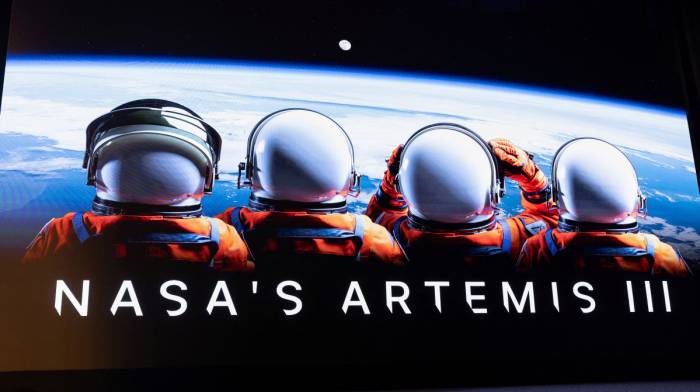
NASA successfully completed a critical fueling rehearsal on Thursday (19 February) for its giant moon rocket, Artemis II, after earlier hydrogen leaks disrupted preparations for the next crewed lunar mission. The launch is scheduled for 6 March, according to the latest information from NASA.
ByteDance will take steps to prevent the unauthorised use of intellectual property on its artificial intelligence (AI) video generator Seedance 2.0, the Chinese technology firm said on Monday.
You can download the AnewZ application from Play Store and the App Store.
What is your opinion on this topic?
Leave the first comment