live U.S.-Iran wrap up Hormuz talks as nuclear issue deferred
Iran and the U.S. have concluded indirect talks in Doha without a major breakthrough, with discussions focused on maritime traffic in the Strait of Ho...
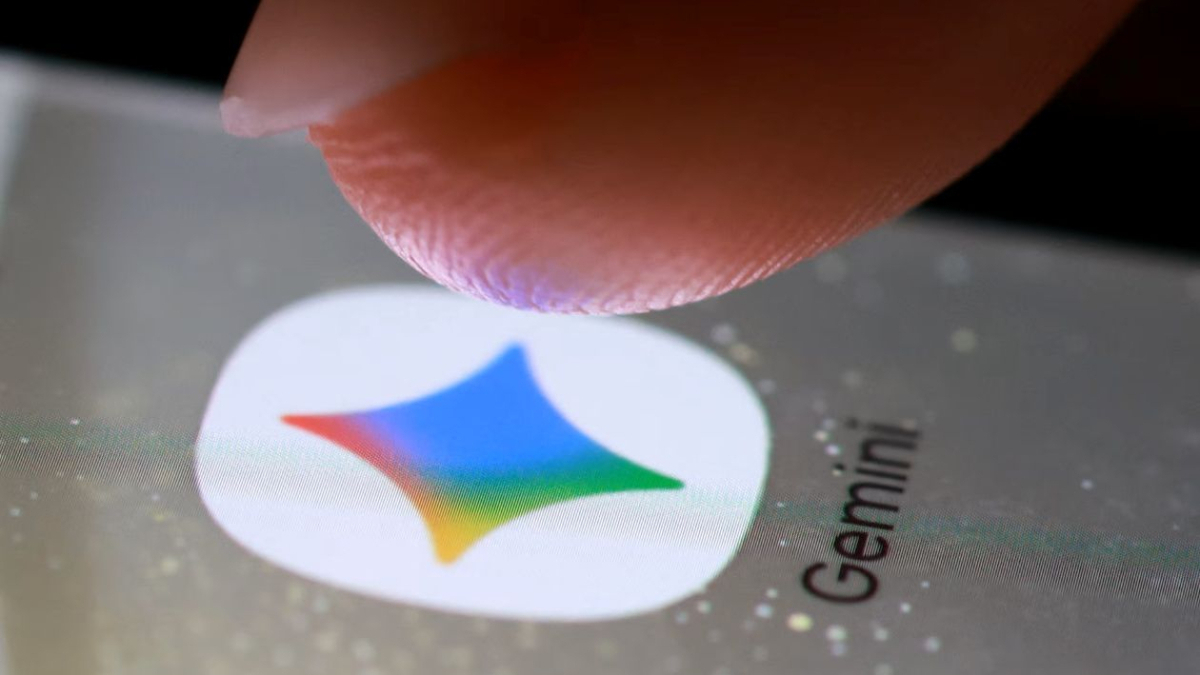
Apple will use Google’s Gemini artificial intelligence (AI) models for its revamped Siri voice assistant later this year, in a multi-year deal that strengthens the tech giants’ partnership and boosts Alphabet’s position in the race against OpenAI.
The deal, announced on Monday (12 January), marks a significant vote of confidence for Google. Its technology already powers Samsung’s “Galaxy AI,” but the Siri agreement opens up access to Apple’s installed base of more than two billion active devices.
Google said its models will support not only Siri but also other future Apple Intelligence features.
While Apple has previously integrated OpenAI’s ChatGPT into its devices, Parth Talsania, CEO of Equisights Research, noted that ChatGPT will now play a more supporting role, handling complex, opt-in queries, while Google’s Gemini models become the default intelligence layer for Siri.
Apple initially rolled out ChatGPT in late 2024, but the upgrade to Siri had been delayed, and the company’s generative AI tools received only a lukewarm reception.
The agreement builds on the long-standing partnership that makes Google the default search engine on Apple devices – a deal that drives traffic for Google while generating tens of billions in annual revenue for Apple.
Google emphasised on Monday that Apple Intelligence will continue to run on Apple devices and Private Cloud Compute, while maintaining Apple’s industry-leading privacy standards.

A Russian couple climbed to the top of the Empire State Building and unfurled a banner urging world peace before, in an apparent elaborate marriage proposal that ended with their arrests.
Iranian and U.S. negotiating teams were due in Doha this week, but Iran said on Monday no meeting had been scheduled as weekend missile fire from both sides tested the interim ceasefire to end the four-month-old war.
Negotiations between the U.S. and Iran mediated by Qatar in Doha have concluded, Iran's Deputy Foreign Minister, Kazem Gharibabadi has said.
Iran and the U.S. have concluded indirect talks in Doha without a major breakthrough, with discussions focused on maritime traffic in the Strait of Hormuz and frozen Iranian funds. Both sides are expected to meet again after the funeral of Ayatollah Ali Khamenei.
Mexico ended their 40-year wait for a World Cup knockout win, while Erling Haaland sent Norway through and Kylian Mbappé fired France into the last 16.
American technology company Snap has launched its first augmented-reality (AR) glasses for consumers, marking a major push into wearable computing as tech firms race to redefine personal devices in the AI era.
The Canadian government has introduced a digital safety bill that would ban children under the age of 16 from using social media, unless platforms meet specific safety standards.
NASA has named three American astronauts and one Italian astronaut to fly on its Artemis III mission, a major orbital test planned for late next year that will evaluate lunar landing vehicles developed by SpaceX and Blue Origin.
China will send an astronaut to its space station on Sunday for a one-year mission, the longest duration for the country so far. The mission will help study long-duration human physiology in space as China works toward a crewed Moon landing by 2030.
Anxiety over artificial intelligence is hardening among young workers as executives promote faster adoption and companies point to automation in fresh job cuts.
You can download the AnewZ application from Play Store and the App Store.
What is your opinion on this topic?
Leave the first comment