live Russia signals openness to new Ukraine peace ideas
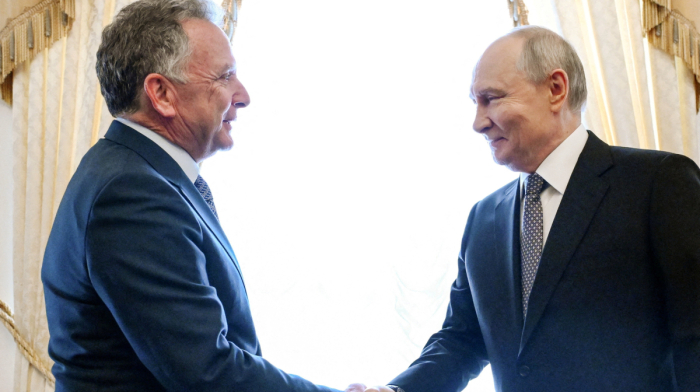
Russia is open to listening to new proposals on how to reach a settlement on the Ukraine conflict, a senior Russia...
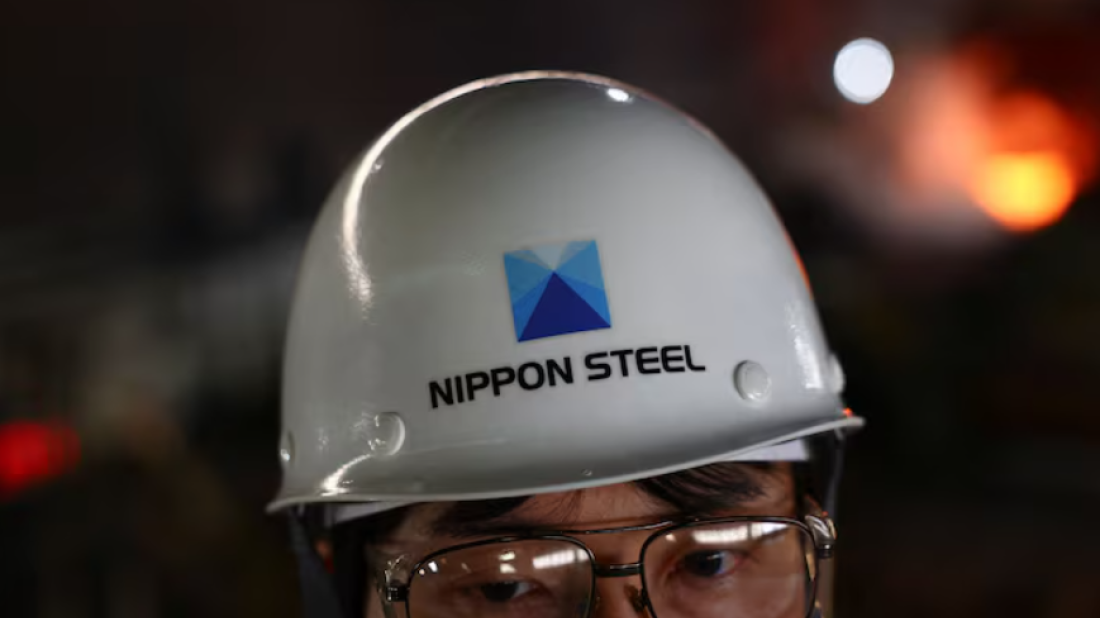
After months of scrutiny, President Trump approved Nippon Steel’s acquisition of U.S. Steel, including a $11 billion investment pledge and U.S. government veto rights to address national security concerns.
U.S. President Donald Trump has approved the $14.1 billion acquisition of U.S. Steel Corp. by Japanese company Nippon Steel Corp., according to a joint statement released Saturday by the companies.
This approval comes despite Trump’s earlier opposition to the sale of U.S. Steel to a foreign firm. The companies praised Trump’s “bold leadership and strong support” and said they had reached a national security agreement with the U.S. government.
In an executive order signed Friday, Trump stated that national security concerns tied to the deal could be mitigated if specific conditions are met.
As part of the agreement, Nippon Steel committed to investing $11 billion in the U.S. steel industry by 2028, including an initial greenfield project post-2028. Furthermore, the U.S. government will receive a “golden share” granting veto authority over critical decisions, such as board appointments and major production changes.
The approval concludes months of negotiations and scrutiny since the deal was first announced in December 2023. Notably, former President Joe Biden blocked the acquisition in January on national security grounds, prompting Nippon Steel and U.S. Steel to file a lawsuit challenging that decision.
Trump’s green light marks a significant shift, aiming to boost U.S. steel investments and safeguard over 100,000 jobs.

The collective-defence agreement between Türkiye, Saudi Arabia and Pakistan signals that regional powers no longer want to rely solely on external security guarantees. Whether it becomes a stabilising deterrent or another axis of rivalry remains unresolved.
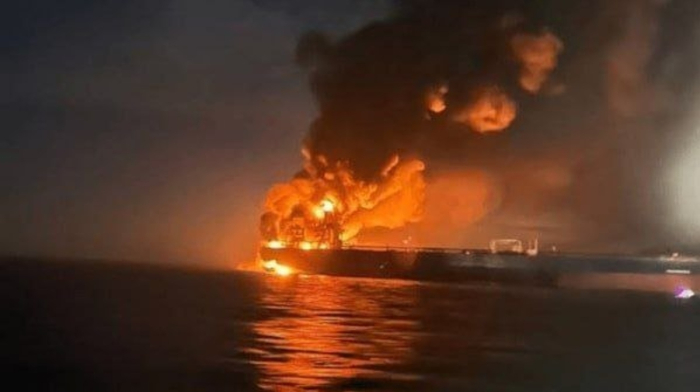
Shipping traffic through the Strait of Hormuz remains limited on Thursday, with no increase in vessel crossings as U.S.-Iran talks to resolve the conflict remained stalled. Nine commodity vessels transited the key waterway on Wednesday, unchanged from the previous day, according to Kpler data.
Shipping through the Strait of Hormuz has slowed, according to the latest data, as uncertainty over the waterway’s reopening kept most shipowners away. Six commodity vessels crossed the strait on Tuesday, down from nine the day before and below the 10-day daily average of 11.
Start your day informed with AnewZ Morning Brief. Here are the top news stories for the 20th of August, covering the latest developments.
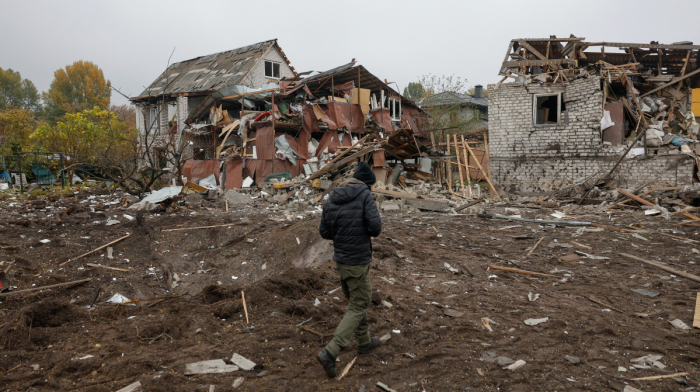
Russian ballistic missile strikes on Ukraine’s capital Kyiv has killed at least sixteen people and injured more than forty others, Ukrainian officials said, with fires reported across the city and Poland activating defensive air operations.
Pakistan is deepening engagement with Syria’s new leadership as Israeli strikes add fresh pressure on the country’s fragile political transition, with Syrian Foreign Minister Asaad al-Shaibani concluding a landmark visit to Islamabad.
Afghanistan and Belarus have agreed to advance joint industrial projects, investment and technical cooperation following talks in Minsk, as Kabul seeks Belarusian machinery and support to develop domestic manufacturing.
Uzbekistan and Azerbaijan are drawing up a new programme aimed at boosting bilateral trade to $1 billion by 2030, as the two countries move to deepen economic and industrial ties.
Syria says it assured Israel that Türkiye had no plans to establish a military presence at the Abu al-Duhur airbase before Israeli forces struck the site on Tuesday.
Israeli Prime Minister Benjamin Netanyahu has issued his strongest warning yet over Türkiye's growing military role in Syria, saying Israel will not accept Turkish forces expanding their presence further south.
You can download the AnewZ application from Play Store and the App Store.
What is your opinion on this topic?
Leave the first comment