live Trump says deal to reopen Strait of Hormuz close as oil prices climb
U.S. President Donald Trump said negotiations to reopen the Strait of Hormuz are progressing and suggested an agreement with Iran could be reached “...
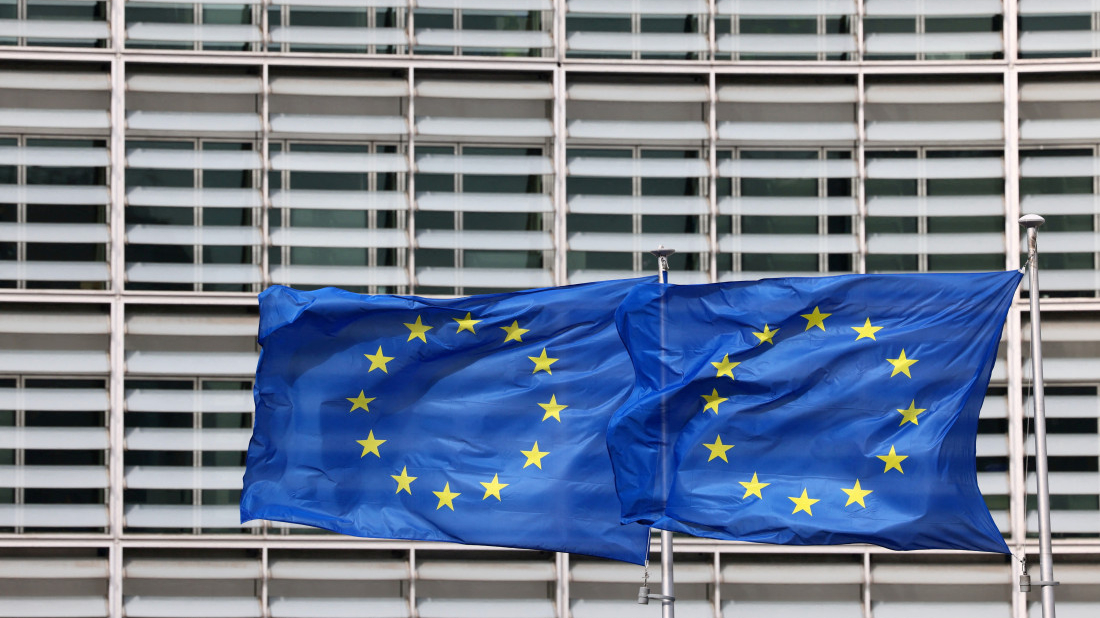
The EU has announced sanctions over a dozen individuals from Iran, including top officials and three airlines, due to providing Russia with military equipment
At a meeting in Luxembourg on Monday, European Union foreign ministers imposed sanctions on several Iranian officials and entities accused of involvement in supplying missiles and drones to Russia for use in its war against Ukraine. The sanctions target seven individuals, including Iran’s deputy defense minister Seyed Hamzeh Ghalandari, as well as seven entities, such as Iran Air.
The EU claims these companies have been involved in transferring military equipment and drones to Russia through transnational procurement networks.
The measures also target two firms linked to the production of rocket and missile propellants. The individuals and companies involved will face an asset freeze and a travel ban within the EU.
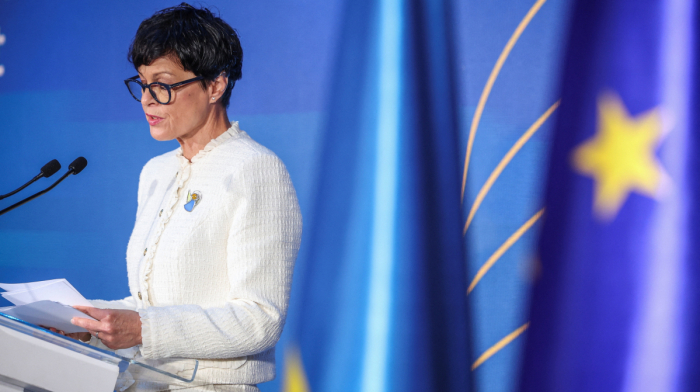
This move follows similar sanctions imposed by the UK, France, Germany, and the United States over Iran’s military support to Russia. European Commission President Ursula von der Leyen expressed support for the sanctions but emphasized the need for further action. “The Iranian regime's support to Russia's war of aggression against Ukraine is unacceptable and must stop,” von der Leyen stated on social media.
The sanctions come amid broader tensions in the Middle East, with the EU foreign ministers also urging Israel to halt attacks on UN peacekeepers stationed at the Israel-Lebanon border.

U.S. President Donald Trump said there was an "all-day negotiation" on Tuesday with Iran, characterising the talks positively while also threatening to hit Iran "really hard" if a deal was not reached.
Shipping traffic through the Strait of Hormuz and the Bab el-Mandeb Strait, two key maritime chokepoints in the region, decreased significantly from the previous day, according to shipping data.
Start your day informed with AnewZ Morning Brief. Here are the top news stories for the 6th of August, covering the latest developments.
Kazakhstan’s main oil export corridor was disrupted by drone strikes near Russia’s Black Sea coast in July, forcing a temporary suspension of crude loadings and raising fresh concerns over the vulnerability of regional energy infrastructure to the war in Ukraine.
Ukrainian President Volodymyr Zelenskyy has dismissed the country's ambassadors to Tajikistan, Kyrgyzstan and several other countries. The removals came after a speech on Monday in which he said embassies would be judged on their effectiveness in securing weapons for Ukraine.
The installation of the first fibre-optic cable across the bottom of the Caspian Sea has been completed, marking a major step in the development of a new digital corridor connecting Europe and Asia.
Saudi Arabia has warned of a growing regional security threat after a Houthi attack wounded 11 civilians in the kingdom's southern Najran province, raising fears that further coordinated strikes could follow.
A bomb planted inside a minibus has killed two people and injured 13 others in the Damascus suburb of Jaramana, adding to concerns over security in an area that has seen repeated tensions in recent months.
Pakistan’s critical minerals sector is attracting renewed interest from American companies, with investors exploring opportunities in copper, antimony and other strategic minerals as global competition intensifies to secure supplies for defence, artificial intelligence and clean energy industries.
More than 100,000 people entered Afghanistan from Iran and Pakistan between 19 July and 1 August, increasing pressure on communities and humanitarian organisations already struggling with poverty, limited services and funding shortages.
You can download the AnewZ application from Play Store and the App Store.
What is your opinion on this topic?
Leave the first comment