live Trump denies offering Iran sanctions relief for nuclear concessions
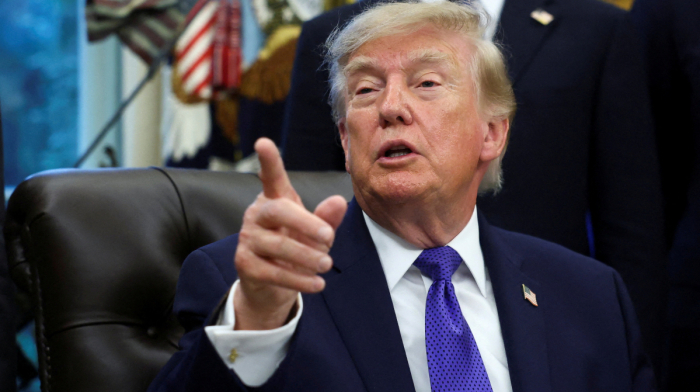
U.S. President Donald Trump has denied reports that he offered Iran sanctions relief and access to frozen funds in exchange for nuclear concessions...
Meta announced it has removed 60 coordinated accounts linked to Iran that targeted Azeri-speaking audiences in Azerbaijan and Türkiye across multiple platforms.
The network used fake accounts—some detected and disabled automatically—to post content, manage Pages and Groups, and comment on their own posts to boost visibility.
According to Meta’s report: “We removed 17 accounts on Facebook, 22 Facebook Pages, and 21 Instagram accounts for violating our policy against coordinated inauthentic behavior. This network originated in Iran and targeted Azeri-speaking audiences in Azerbaijan and Türkiye across multiple internet services including ours, X (formerly Twitter), YouTube, and their own websites. We removed this activity before the operators were able to build authentic audiences on our apps.”.
Meta’s investigation was aided by data shared by Google Threat Intelligence Group and identified links to the STORM-2035 operation reported by OpenAI and Microsoft in August 2024.
The removed accounts had a combined follower base of about 44,000 on Facebook Pages and 63,000 on Instagram. The operation spent roughly $70 on ads, mostly paid in US and Canadian dollars.
This action followed complaints from Azerbaijan’s Electronic Security Service (ETX), which flagged suspicious accounts during the Iranian president’s recent visit to Azerbaijan. Meta also removed four major Russia-linked news pages targeting Azerbaijan in the past month as part of ongoing efforts to combat coordinated disinformation campaigns in the region.

A Russian guided aerial bomb has struck an apartment building in Kharkiv, injuring 22 people, including children, according to the city’s mayor. The strike follows a day of near-continuous Russian attacks across Ukraine that killed at least five people.
Here's your AnewZ Daily Brief for 28 September 2026. These are the top stories making headlines in technology.
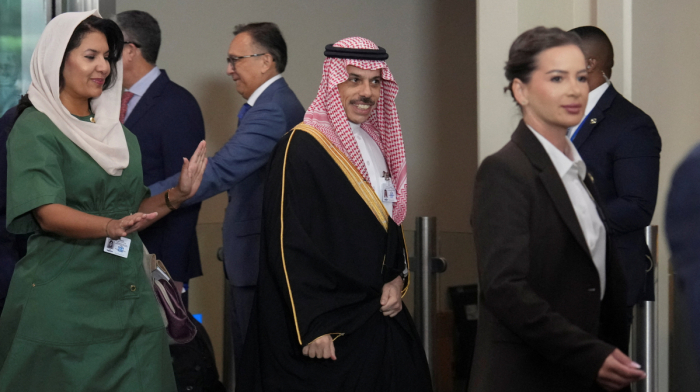
Saudi Foreign Minister Prince Faisal bin Farhan has arrived in Washington for talks with U.S. Secretary of State Marco Rubio on bilateral ties and key regional and international developments, Saudi state news agency SPA reported.
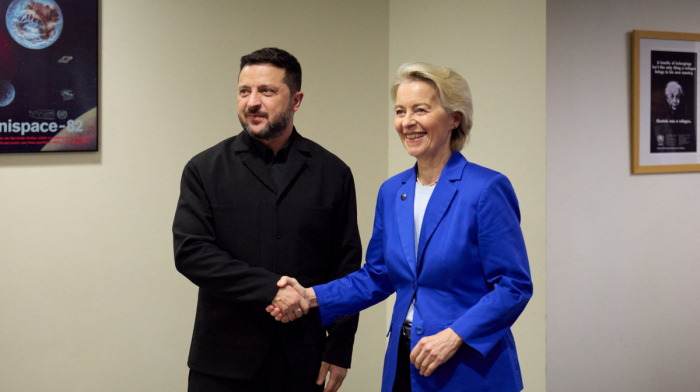
The European Union's decision to simultaneously advance accession talks with Ukraine, Moldova, Montenegro and Albania marks its most ambitious enlargement effort in more than two decades.
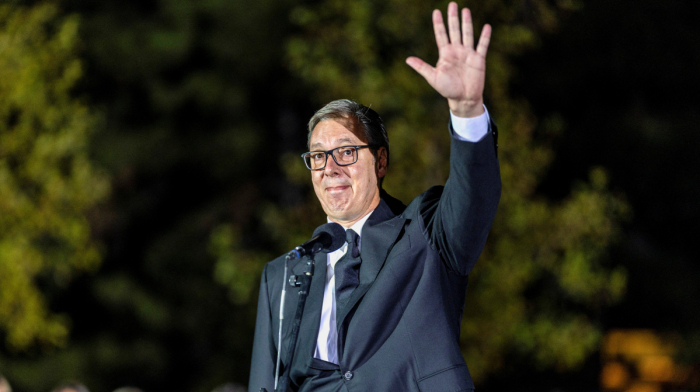
Serbia's President Aleksandar Vučić resigned on Sunday, ending his second and final five-year term and paving the way for an early presidential election as the country prepares for a snap parliamentary vote on 25 October.
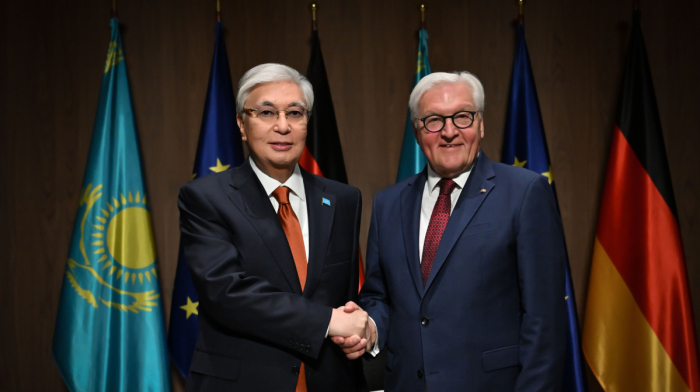
Kazakhstan and Germany have agreed to expand cooperation in critical minerals, industry, energy and transport, with Astana seeking a greater German role in developing supply chains and higher-value production.
Russian state nuclear corporation Rosatom has proposed building a new 1,000-megawatt nuclear power unit in Armenia as Yerevan weighs competing international offers, its head Alexey Likhachev said on Tuesday.
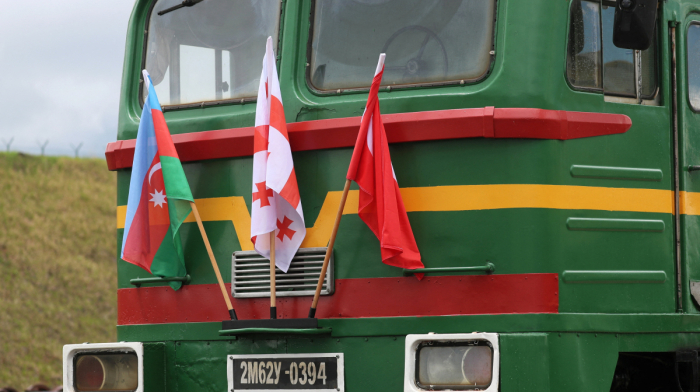
Freight on the Baku–Tbilisi–Kars railway could soon move faster across borders after Georgia, Azerbaijan and Türkiye signed a new customs protocol aimed at cutting delays and streamlining transit.
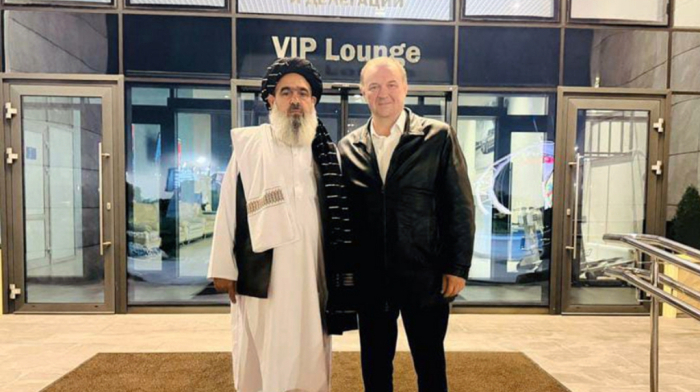
Afghanistan and Belarus have agreed to expand health cooperation, with a focus on medicines, medical equipment and training healthcare workers, following talks between the two countries’ health ministers in Minsk on Tuesday (29 September).
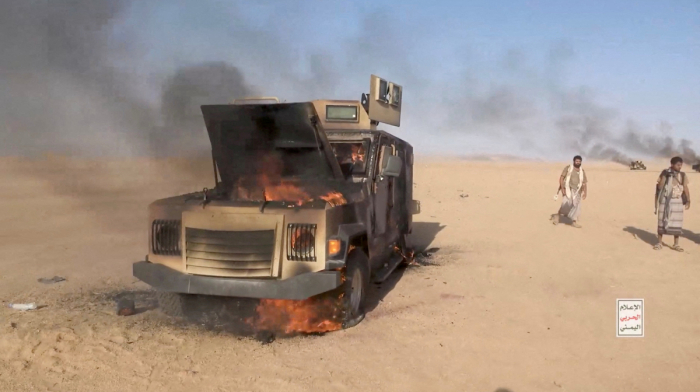
Saudi Arabia is facing a widening security challenge from Yemen as Houthi forces consolidate recent territorial gains along the Red Sea coast and step up attacks on the kingdom.
You can download the AnewZ application from Play Store and the App Store.
What is your opinion on this topic?
Leave the first comment