China’s Belt and Road Initiative hits record $213bn in 2025
China’s Belt and Road Initiative recorded its strongest year since launch in 2025, with Chinese investment a...
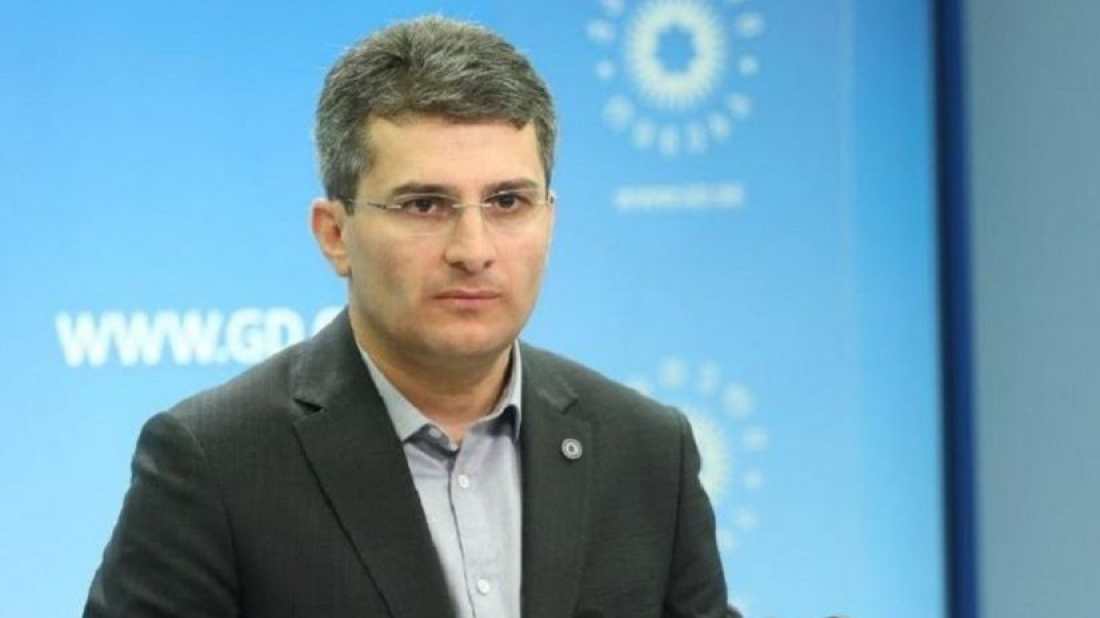
Georgia’s ruling party, Georgian Dream, has announced plans to reintroduce the treason article into the country’s Criminal Code, reviving a provision that was abolished in 2007.
The proposed legislation would criminalize acts such as espionage, disclosure of state secrets, and conspiracy, with penalties ranging from 10 to 15 years in prison, alongside property confiscation. The original law, introduced in 1991, was scrapped by the then-ruling United National Movement government.
Mamuka Mdinaradze, executive secretary of Georgian Dream, defended the decision, calling the 2007 repeal a mistake, particularly in light of the geopolitical tensions that preceded the August 2008 war with Russia.
The move has ignited debate both domestically and internationally. Supporters argue that reinstating the treason law is crucial for protecting national security and preventing threats to Georgia’s sovereignty. Critics, however, warn of potential misuse, raising concerns over political repression.
As the legislative process unfolds, the international community is closely watching how this decision could reshape Georgia’s legal and political landscape.

The U.S military said it carried out retaliatory strikes on Iran on Thursday (7 May). Meanwhile, Iran's Joint Military Command accused the U.S. of breaching the ceasefire, by striking an Iranian oil tanker in the Strait of Hormuz and launching attacks on several Iranian cities.
U.S. President Donald Trump said that Iran wanted to negotiate and make a deal in comments to reporters on Wednesday (6 May). But earlier, he warned Washington would ramp up attacks if no agreement was reached.
Argentinian authorities are reconstructing the journeys of Dutch citizens who presented with symptoms of deadly hantavirus after visiting Argentina and Chile as part of a luxury cruise trip, the country's Health Ministry said in a statement on Wednesday (6 May)
The 61st Venice Biennale has opened under grey skies and political tension, with disputes over Russia and Israel, resignations on the jury, and protests marking the start of one of the art world’s most high-profile events.
Latvian authorities said two drones entered NATO member Latvia from Russian territory and crashed on Thursday morning, with officials linking them to Ukraine’s wider drone operations against targets in Russia.
Turkish drone manufacturer Baykar signed its first export agreement on Wednesday for the newly unveiled Bayraktar Kızılelma unmanned aerial vehicle (UAV).
Iran’s parliamentary speaker has warned that Tehran still faces the risk of military or terrorist attacks, despite reports that a peace agreement with the U.S. could be announced this week.
Ukraine’s military said it struck a Russian Karakurt-class small missile carrier in the Caspian Sea near Russia’s Dagestan region on Thursday. The extent of the damage is still being assessed, according to Kyiv.
An Israeli air strike has killed the son of Hamas’ chief negotiator in U.S.-mediated Gaza talks, as group leaders met in Cairo to shore up a fragile ceasefire with Israel.
Reports that Emmanuel Macron planned to cross from Armenia into Türkiye via their closed border - and was reportedly blocked following consultations with Azerbaijan - have sparked renewed debate on South Caucasus diplomacy.
You can download the AnewZ application from Play Store and the App Store.
What is your opinion on this topic?
Leave the first comment