



15:42 CET
Russia-Ukraine
live Russian strikes kill three, damage dozens of power facilities
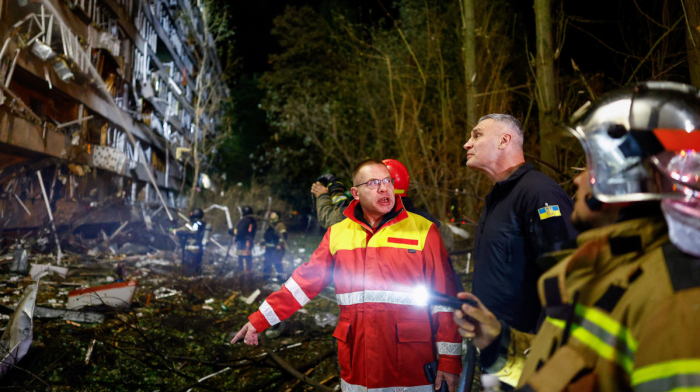
Russian strikes killed ...



The 13th session of the World Urban Forum in Baku concluded with a high-level Women’s Roundtable focused on advancing gender equality and women’s empowerment in housing and urban development.
Building on the Beijing+30 Action Agenda and the New Urban Agenda, the two-hour discussion provided an action-oriented platform aimed at strengthening the right of women and girls to safe, adequate and affordable housing.
The session brought together policymakers, urban experts, civil society representatives and human rights advocates to share policy recommendations and practical examples from different countries. The outcomes are expected to feed into the WUF13 final outcome document and future policy processes.
Speakers highlighted how the global housing and climate crises are disproportionately affecting women, particularly through unequal land rights, insecure tenure, discriminatory laws and limited access to basic services.
Civil society representatives also shared personal experiences, drawing attention to the daily realities faced by women living in unsafe or unstable housing conditions.
The discussion emphasised that housing insecurity is closely linked to gender-based violence, with participants noting that a lack of safe and affordable housing can trap women in abusive situations or push them into homelessness and poverty.
Female-headed households were identified as especially vulnerable because of economic exclusion and restricted access to credit and housing systems.
United Nations Deputy Secretary-General Amina Mohammed attended the session and delivered opening remarks, underlining that access to housing is directly linked to dignity, safety, health and inclusion.
Participants called for stronger gender-transformative approaches to housing and land governance, urging governments to integrate women’s needs more effectively into national urban policies.
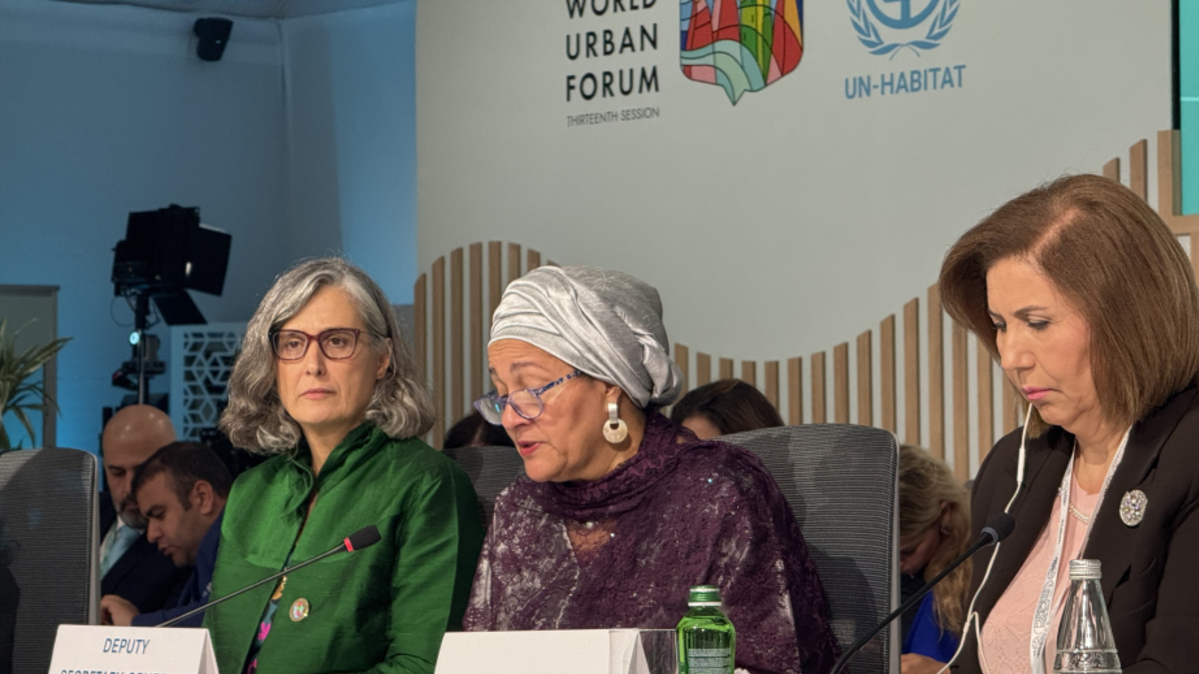
The roundtable also focused on strengthening women’s leadership in housing and land management, with recommendations aimed at improving participation in decision-making and policy design.
The session featured a multi-stakeholder panel presenting best practices and policy tools to support more inclusive housing systems. These proposals will be incorporated into the official WUF13 outcomes and used to guide future international urban policy discussions.
Like other stakeholder-driven sessions at WUF13, the roundtable was developed through a participatory process led by experts in women’s access to housing and gender equality, ensuring broad representation and diversity.
The Women’s Roundtable took place on the final day of WUF13, which brought together more than 40,000 participants from 182 countries under the theme “Housing the world: Safe and resilient cities and communities”.
Throughout the week, the forum featured ministerial meetings, leaders’ summits, civil society assemblies, business sessions and thematic discussions on urban resilience, climate change, artificial intelligence in urban governance and sustainable development.
Among the key developments during the forum were discussions on the global housing crisis, the launch of new co-operation platforms and the expansion of international urban partnerships, including preparations for future World Urban Forum gatherings.

Russian strikes killed ...
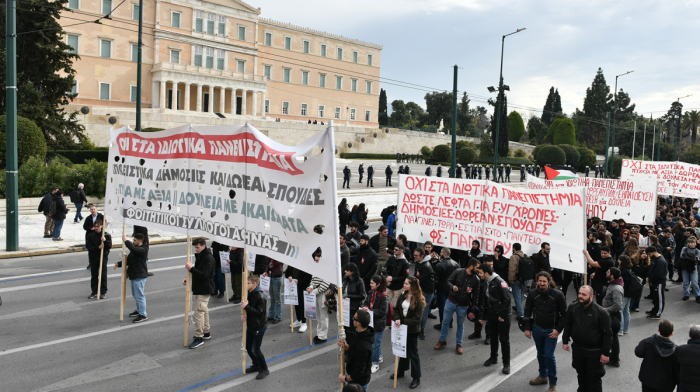
Greek students braved heavy rain to pitch tents outside parliament in Athens on Tuesday, demanding affordable housing and more education funding as...
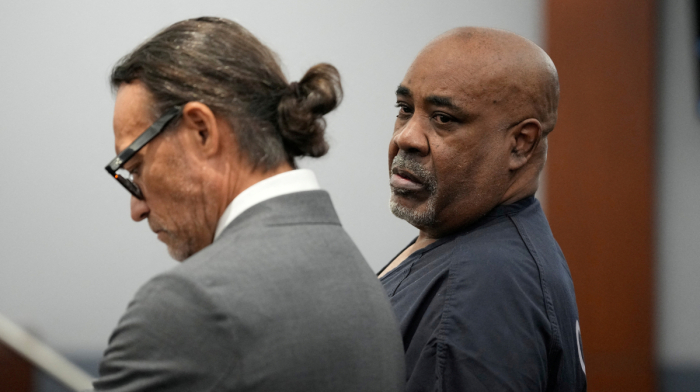
A former gang leader ...

The Saudi-led coalition in Yemen said late Monday that it intercepted and destroyed two ballistic missiles launched by the Houthi group toward Khamis Mushait in southwestern Saudi Arabia.
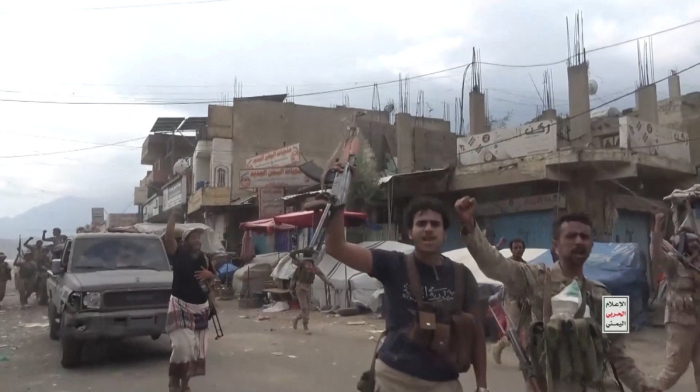
Yemen’s Houthis have claimed responsibility for the recent drone and missile strikes on Saudi Aramco facilities in Dhahran and Riyadh and at King Khalid International Airport in Saudi Arabia, vowing to carry out more attacks in the coming days.
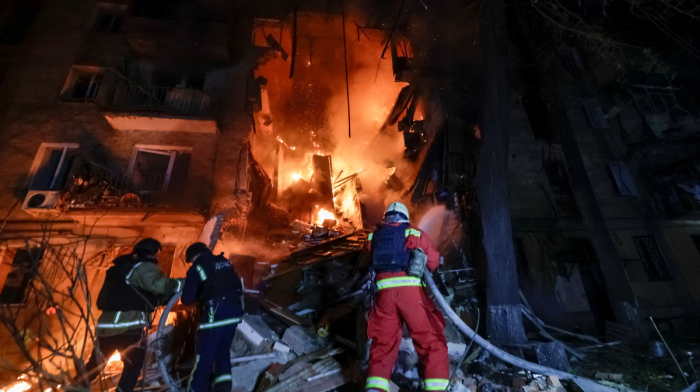
Ukrainian President Volodymyr Zelenskyy says Russia hit at least six energy targets in deadly strikes across Ukraine, showing Moscow is unwilling to accept the energy ceasefire announced by U.S. President Donald Trump.
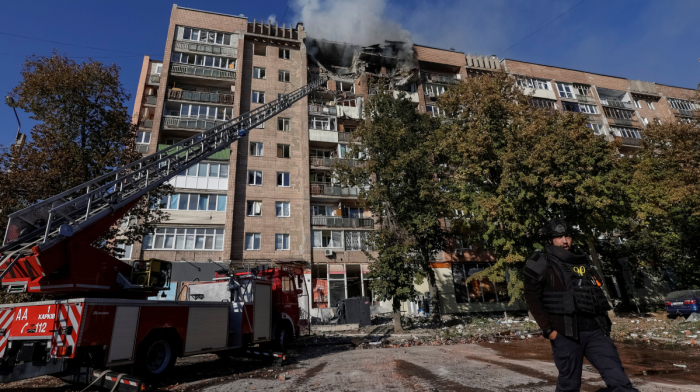
The Kremlin on Monday rejected a 60-day ceasefire idea proposed by Ukrainian President Volodymyr Zelenskyy to allow his country to hold presidential elections, saying it wanted an overall peace deal instead.
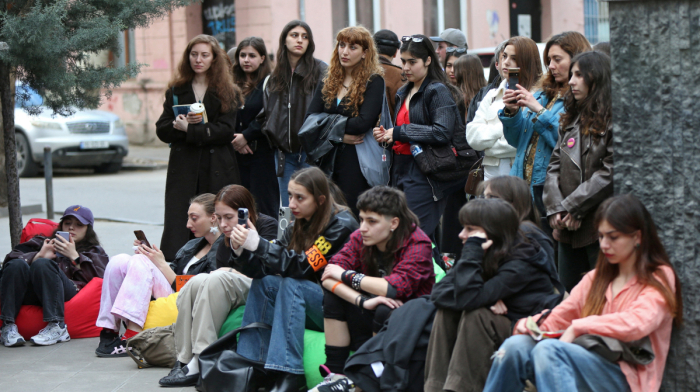
Thousands of young Georgians leave the country each year in search of better economic opportunities, with many moving west. As questions grow over Georgia’s European path, AnewZ spoke to people who have emigrated about what it would take for them to return.
Yemen’s Houthis have claimed responsibility for the recent drone and missile strikes on Saudi Aramco facilities in Dhahran and Riyadh and at King Khalid International Airport in Saudi Arabia, vowing to carry out more attacks in the coming days.
The Saudi-led coalition in Yemen said late Monday that it intercepted and destroyed two ballistic missiles launched by the Houthi group toward Khamis Mushait in southwestern Saudi Arabia.
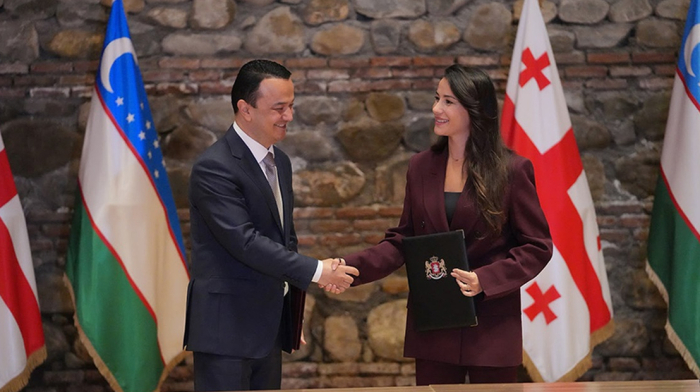
Georgia and Uzbekistan are aiming to nearly quadruple annual trade to $1 billion, up from $267.6 million in 2025, as the two countries seek to strengthen economic ties and expand transport links.

Iran has warned against the military use of Starlink, saying it has developed domestic technology capable of countering cyber threats linked to the satellite internet service.
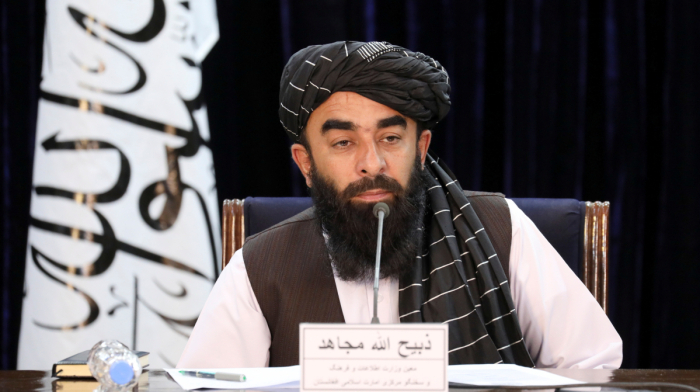
Afghanistan has accused Pakistan of blaming Kabul for its domestic political and security problems, as Islamabad repeated claims that militants are using Afghan territory to launch attacks across the border.
You can download the AnewZ application from Play Store and the App Store.




What is your opinion on this topic?
Leave the first comment