




15:42 CET
Russia-Ukraine
live Russian strikes kill three, damage dozens of power facilities
Russian strikes killed ...


Officials and urban development experts at WUF13 in Baku examined how conflict, displacement and climate disasters are intensifying the global housing crisis and placing increasing pressure on cities worldwide.
The fifth day of the 13th Session of the World Urban Forum (WUF13) in Baku focused heavily on one of the world’s most pressing challenges: housing and post-crisis recovery.
Two high-level discussions brought together officials, international organisations and urban development experts to examine how conflicts, climate disasters and displacement are reshaping global housing systems and placing growing pressure on cities worldwide.
The first session focused on housing recovery in crisis-affected regions, with participants stressing that rebuilding is not only about infrastructure, but also about restoring communities and livelihoods. Representatives from Azerbaijan, Iraq, Palestine, Syria and Ukraine discussed issues including reconstruction, land rights, financing and community-led recovery efforts.
The discussions come amid a widening global housing crisis. According to figures cited during the event, nearly three billion people worldwide lack adequate housing, while more than 300 million remain homeless.
Speaking to AnewZ, Emin Huseynov, Governor of the Administration of the President of the Republic of Azerbaijan, outlined Azerbaijan’s ongoing resettlement efforts in the liberated territories.
“In our regions alone so far we have about 13,700 people already resettled among them 7,000 in Aghdam and 3,000 each in Fuzuli and Khojavend but this year alone we will try to resettle around 30,000 more, our citizens to their native homeland.”
He added that reconstruction efforts are expected to accelerate as infrastructure and demining operations continue.
“The second state program is under preparation and hopefully that will be implemented much more rapidly.”
Meanwhile, Sami Hijjawi, Palestine’s Minister of Local Government, highlighted the scale of destruction in Gaza and the West Bank.
“According to information we already collected and after the aggression of Israel against Gaza and also in the West Bank there are 372,000 houses were demolished were destroyed.”
Hijjawi said reconstruction would require extensive international support.
“This requires an international solidarity, support of the international community and the friends of the Palestinian people, including Azerbaijan.”
The discussions also addressed housing insecurity beyond conflict zones. Lajana Manandhar, Founder and Executive Director of the Lumanti Support Group for Shelter in Nepal, warned that housing challenges continue to affect vulnerable communities globally.
“Housing issues, the communities, the poor people they are facing, it's very serious, it's challenging.”
She also pointed to growing concerns over displacement and evictions in Kathmandu.
“So the housing issues, it's very critical, and that actually requires immediate attention to address the issues and to rehabilitate.”
A second panel broadened the conversation to examine how wars, instability and economic shocks affect housing systems far beyond the countries directly involved. Participants from UN-Habitat, UNDP and regional organisations discussed rising construction costs, urban pressure and growing risks for vulnerable communities across regions including the Middle East, Africa and Asia-Pacific.
The discussions at WUF13 reflected a growing international consensus that housing recovery and urban resilience require coordinated, long-term approaches centred not only on rebuilding cities, but also on supporting the people who live in them.

Russian strikes killed ...

Greek students braved heavy rain to pitch tents outside parliament in Athens on Tuesday, demanding affordable housing and more education funding as...

A former gang leader ...

The Saudi-led coalition in Yemen said late Monday that it intercepted and destroyed two ballistic missiles launched by the Houthi group toward Khamis Mushait in southwestern Saudi Arabia.
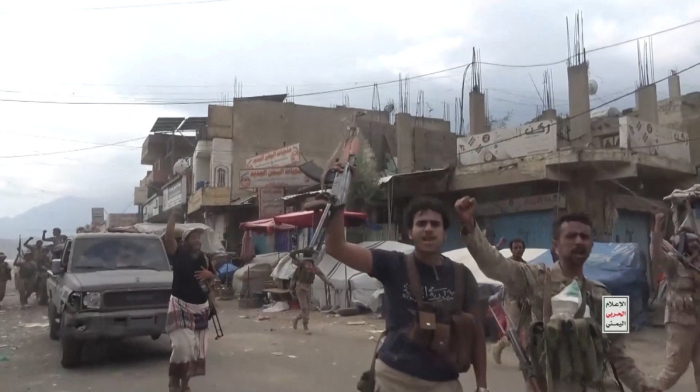
Yemen’s Houthis have claimed responsibility for the recent drone and missile strikes on Saudi Aramco facilities in Dhahran and Riyadh and at King Khalid International Airport in Saudi Arabia, vowing to carry out more attacks in the coming days.
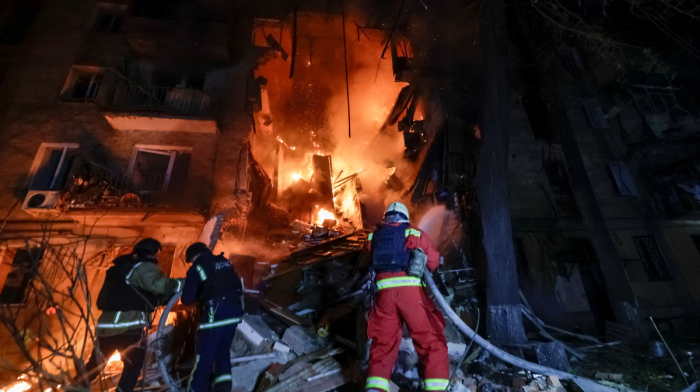
Ukrainian President Volodymyr Zelenskyy says Russia hit at least six energy targets in deadly strikes across Ukraine, showing Moscow is unwilling to accept the energy ceasefire announced by U.S. President Donald Trump.
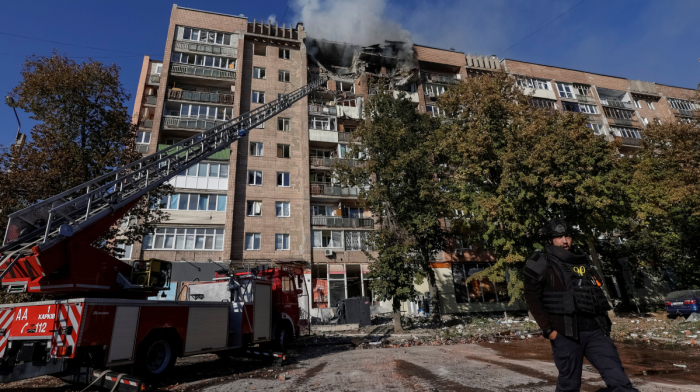
The Kremlin on Monday rejected a 60-day ceasefire idea proposed by Ukrainian President Volodymyr Zelenskyy to allow his country to hold presidential elections, saying it wanted an overall peace deal instead.

Thousands of young Georgians leave the country each year in search of better economic opportunities, with many moving west. As questions grow over Georgia’s European path, AnewZ spoke to people who have emigrated about what it would take for them to return.
Yemen’s Houthis have claimed responsibility for the recent drone and missile strikes on Saudi Aramco facilities in Dhahran and Riyadh and at King Khalid International Airport in Saudi Arabia, vowing to carry out more attacks in the coming days.
The Saudi-led coalition in Yemen said late Monday that it intercepted and destroyed two ballistic missiles launched by the Houthi group toward Khamis Mushait in southwestern Saudi Arabia.

Georgia and Uzbekistan are aiming to nearly quadruple annual trade to $1 billion, up from $267.6 million in 2025, as the two countries seek to strengthen economic ties and expand transport links.

Iran has warned against the military use of Starlink, saying it has developed domestic technology capable of countering cyber threats linked to the satellite internet service.
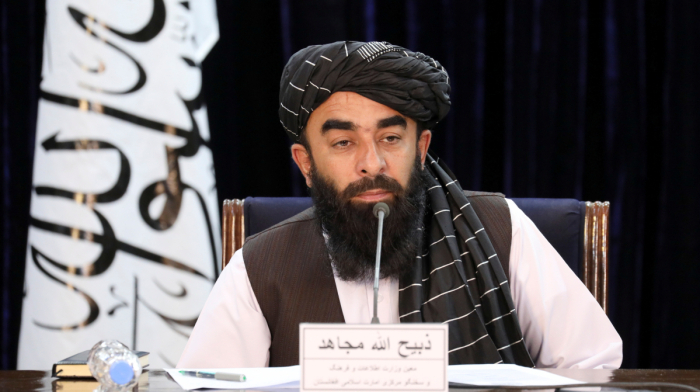
Afghanistan has accused Pakistan of blaming Kabul for its domestic political and security problems, as Islamabad repeated claims that militants are using Afghan territory to launch attacks across the border.
You can download the AnewZ application from Play Store and the App Store.




What is your opinion on this topic?
Leave the first comment