Poland intercepts Russian plane
Polish fighter jets on Thursday intercepted a Russian reconnaissance aircraft flying near Poland’s airspace over the Baltic Sea and escorted it away...
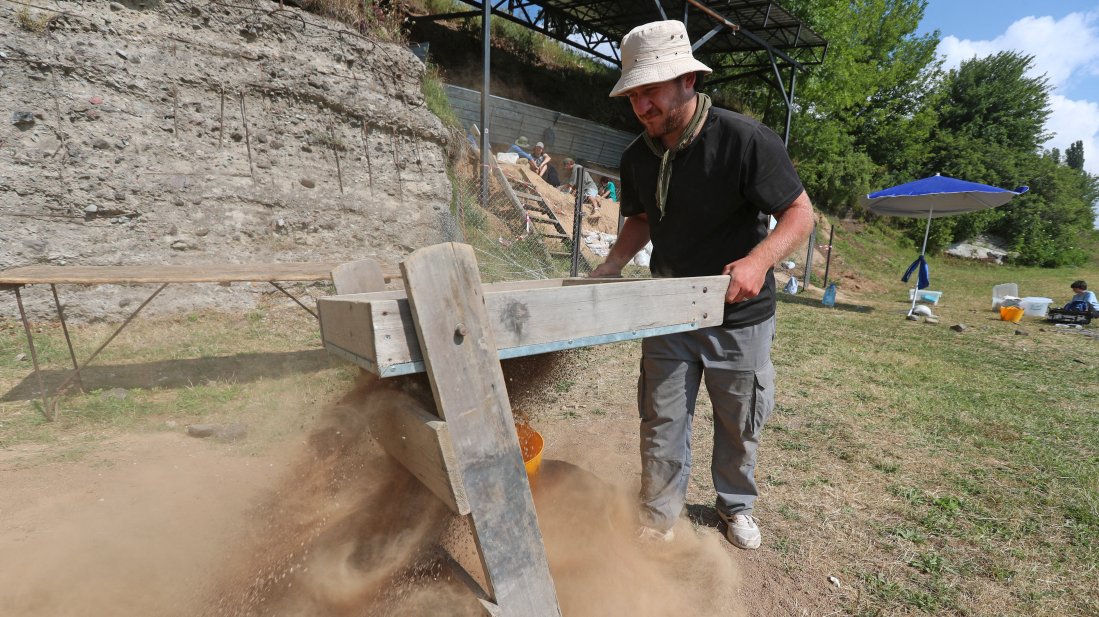
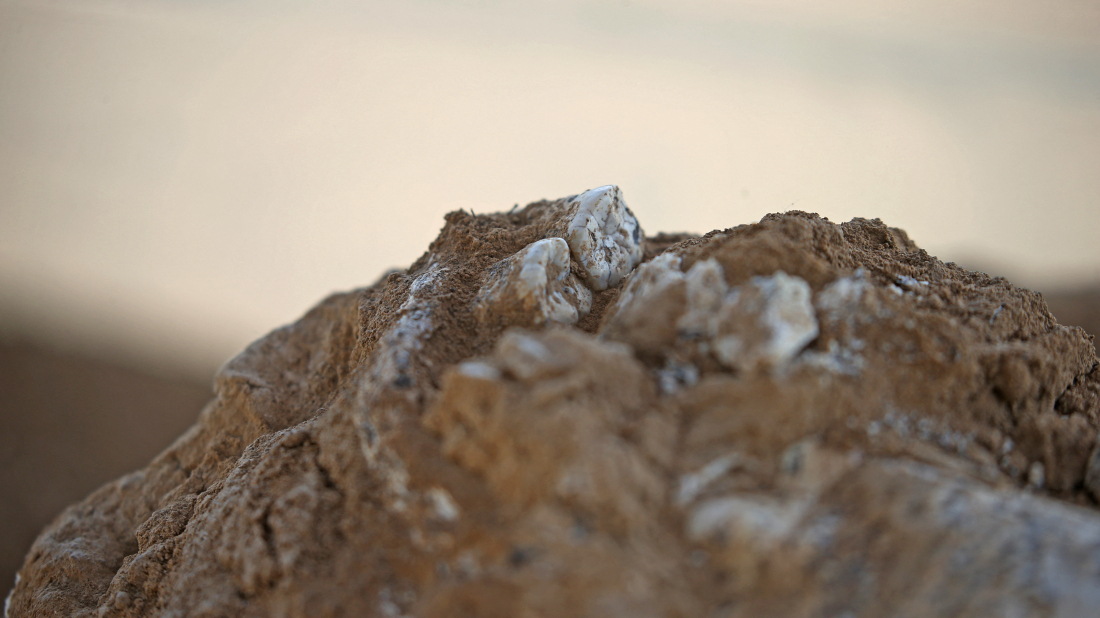
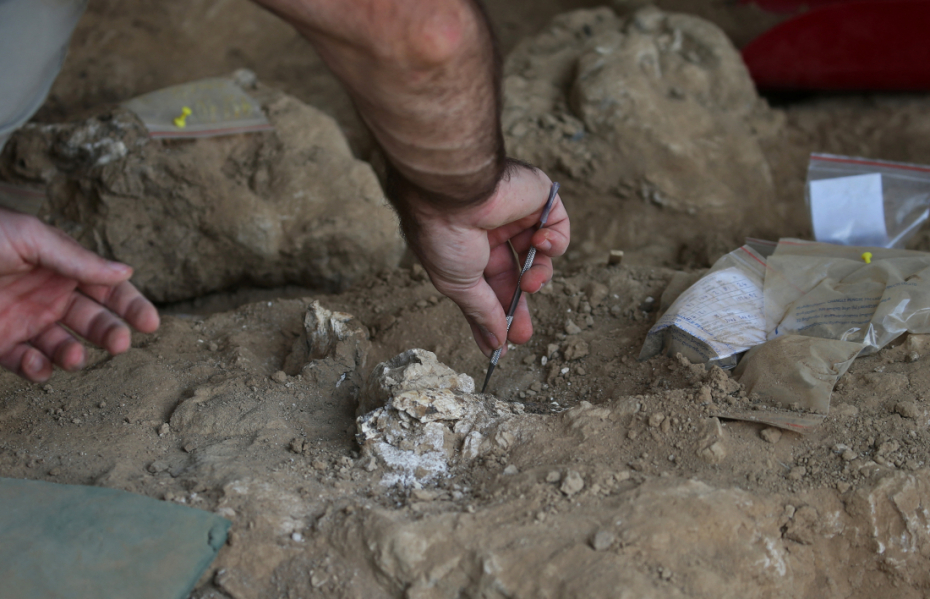
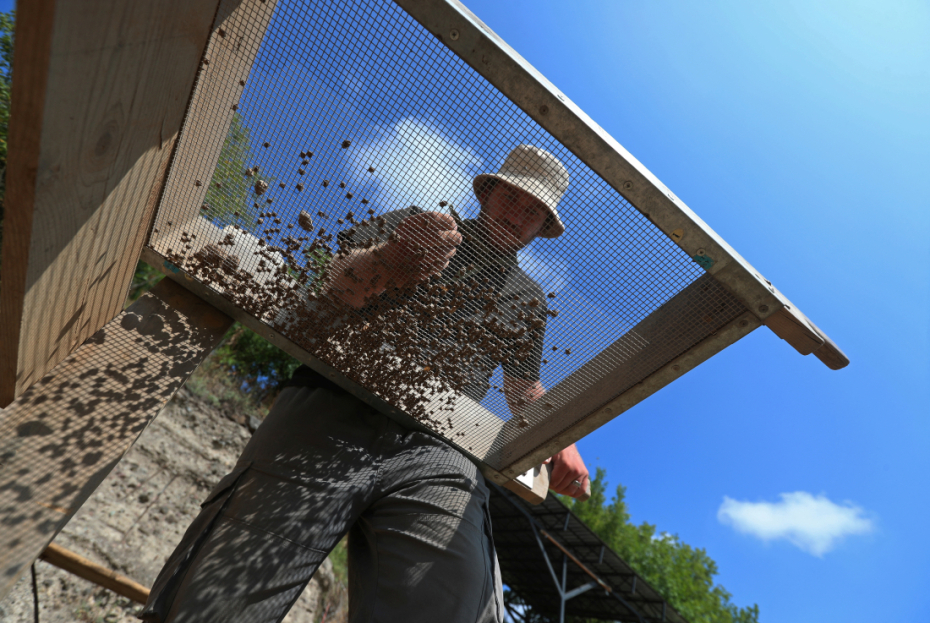
Archaeologists in Georgia have unearthed a 1.8-million-year-old jawbone belonging to an early species of human that they say will shed light on some of the earliest prehistoric human settlements on the Eurasian continent.
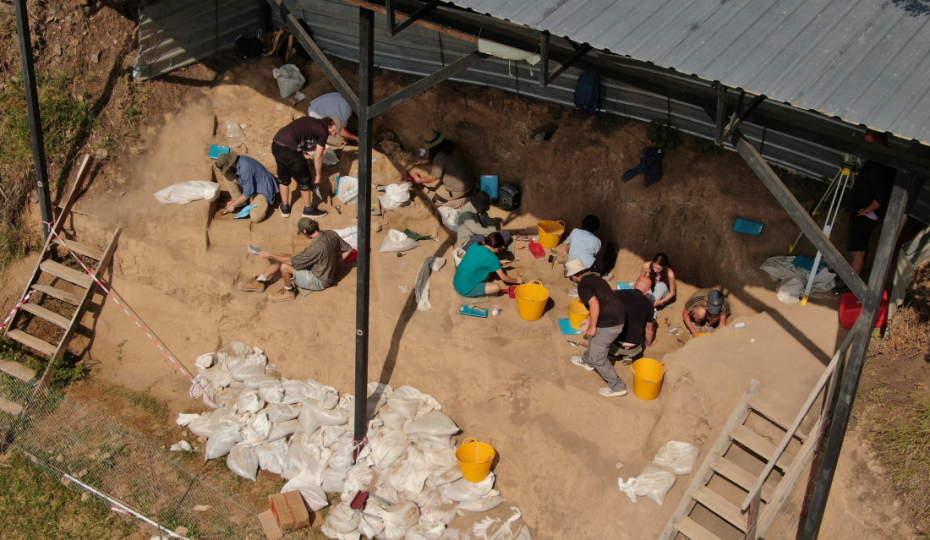
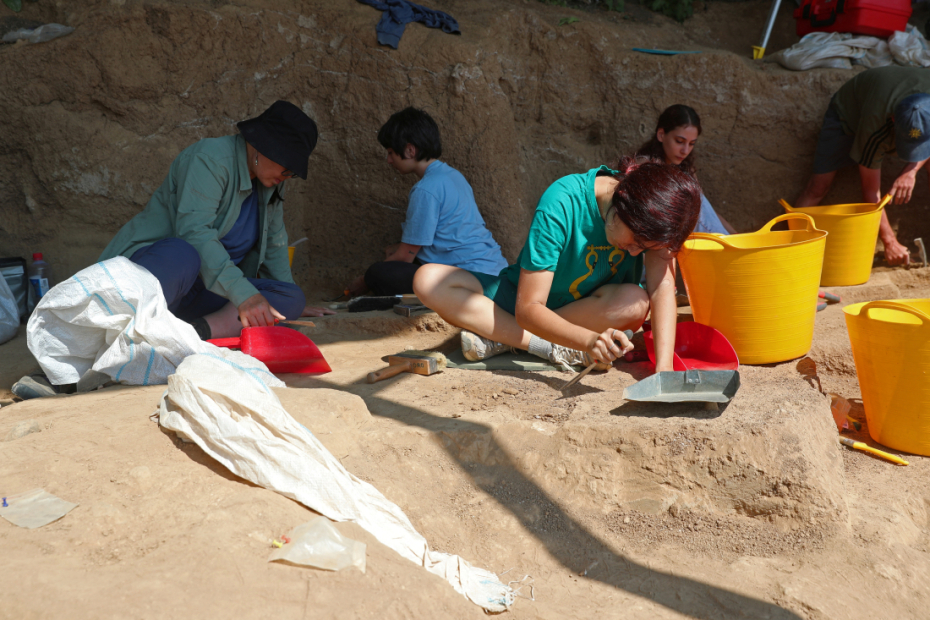
The Georgian site at Orozmani - smaller than two parking spaces but rich in history - has brought to light the oldest remains of early humans yet excavated outside Africa and offers clues to the patterns of Homo erectus, a hunter-gatherer species that scientists believe started migrating around two million years ago.
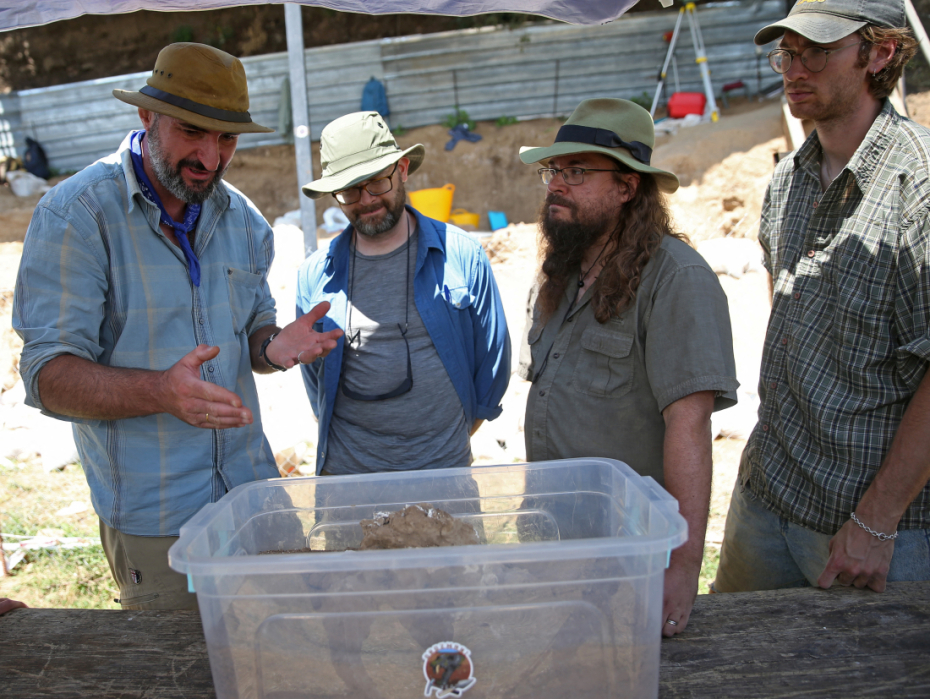
"The study of the early human and fossil animal remains from Orozmani will allow us to determine the lifestyle of the first colonisers of Eurasia," said Giorgi Bidzinashvili, a professor of stone age archaeology at Ilia State University in Tbilisi.
"We think Orozmani can give us big information about humankind."
The lower jawbone was found around 100 km (62 miles) southwest of the Georgian capital of Tbilisi, where archaeologists in 2022 excavated a tooth from early humans of the same era. In the nearby village of Dmanisi, 1.8-million-year-old human skulls have previously been found.
In this latest discovery, archaeologists also found fossils from animals including a sabre-toothed tiger, elephant, wolf, deer and giraffe, as well as a cache of stone tools.
Close study of the jawbone and the animal fossils can yield crucial answers about how early humans evolved after they left Africa, including what they ate and what the climate was like, scientists say.
At the Orozmani excavation site, archaeologists discover new remains of Homo erectus every year.
"My second day (on the dig) I found a nice little ankle bone," said Miles Alexandre, a recent anthropology graduate from the University of Rhode Island in the U.S.
"You go down five centimetres...there's a good chance you're going to find something."

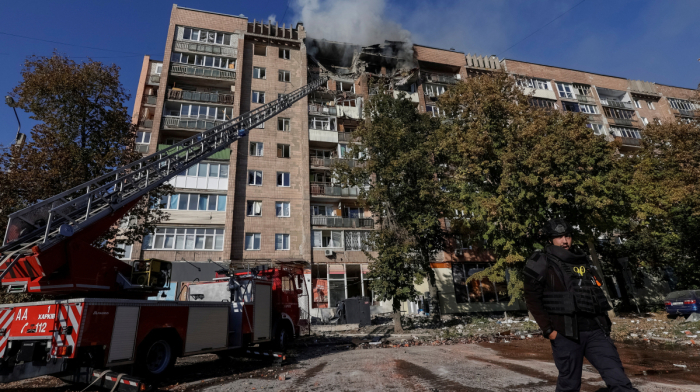
A majority of Russians expect the war in Ukraine to end in 2026, state pollster VTsIOM said on Wednesday, in a sign that the Kremlin could be testing public reaction to a possible peace settlement as diplomatic efforts to end the conflict intensify.
Military representatives from Cambodia and Thailand met in Chanthaburi province on Wednesday ahead of formal ceasefire talks at the 3rd special GBC meeting scheduled for 27th December.
Thailand and Cambodia both reported fresh clashes on Wednesday, as the two sides prepared to hold military talks aimed at easing tensions along their shared border.
It’s been a year since an Azerbaijan Airlines plane crashed near Aktau, Kazakhstan, killing 38 people. Relatives and loved ones mourn the victims, as authorities near the final stage of their investigation.
In 2025, Ukraine lived two parallel realities: one of diplomacy filled with staged optimism, and another shaped by a war that showed no sign of letting up.
Armenian Prime Minister Nikol Pashinyan has welcomed remarks by Turkish President Recep Tayyip Erdogan indicating progress in the normalisation process between Ankara and Yerevan, describing the moment as ripe for concrete steps.
Kazakhstan has made a notable advance in the global Government AI Readiness Index, moving up to 60th place out of 195 countries in the 2025.
As Christmas is celebrated worldwide, the faithful in Baku gathered at St. Mary’s Catholic Church to partake in prayers, songs, and community celebrations.
Three alleged members of a "terrorist origanisation" have been killed in a military operation in the Shamsiddin Shohin district according to Tajikistan’s Border Troops.
The Spiral is an AnewZ original documentary that explores the 25 December, 2024 tragedy in which an Embraer 190‑100 operated by Azerbaijan Airlines (AZAL) crashed.
You can download the AnewZ application from Play Store and the App Store.
What is your opinion on this topic?
Leave the first comment