Pakistan and the European Union have agreed to step up counterterrorism cooperation as security concerns over Afghanistan grow and tensions between Islamabad and Kabul persist.
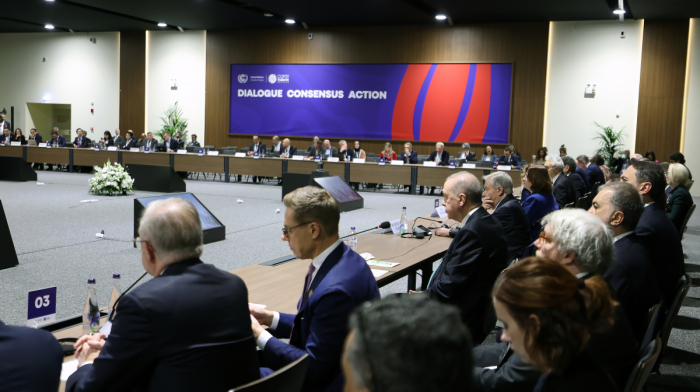
The agreement was reached during the 10th Pakistan-EU Bilateral Counterterrorism Dialogue in Islamabad on 22 October. The Pakistani delegation was led by Dr Fareha Bugti, Director General for Counterterrorism, while the EU delegation was headed by Anna Strazska, the European External Action Service’s Special Envoy for Counterterrorism.
Pakistan’s Foreign Office said the EU condemned recent terrorist attacks in Pakistan, expressed solidarity with affected civilians and recognised the country’s counterterrorism efforts. Both sides raised concerns about the security implications of developments in Afghanistan.
The talks focused on terrorist financing, violent extremism, radicalisation and the use of cyberspace, information and energy resources for terrorist purposes. Both sides pledged closer coordination through international forums, including the UN.
Pakistan-Afghanistan tensions fuel security concerns
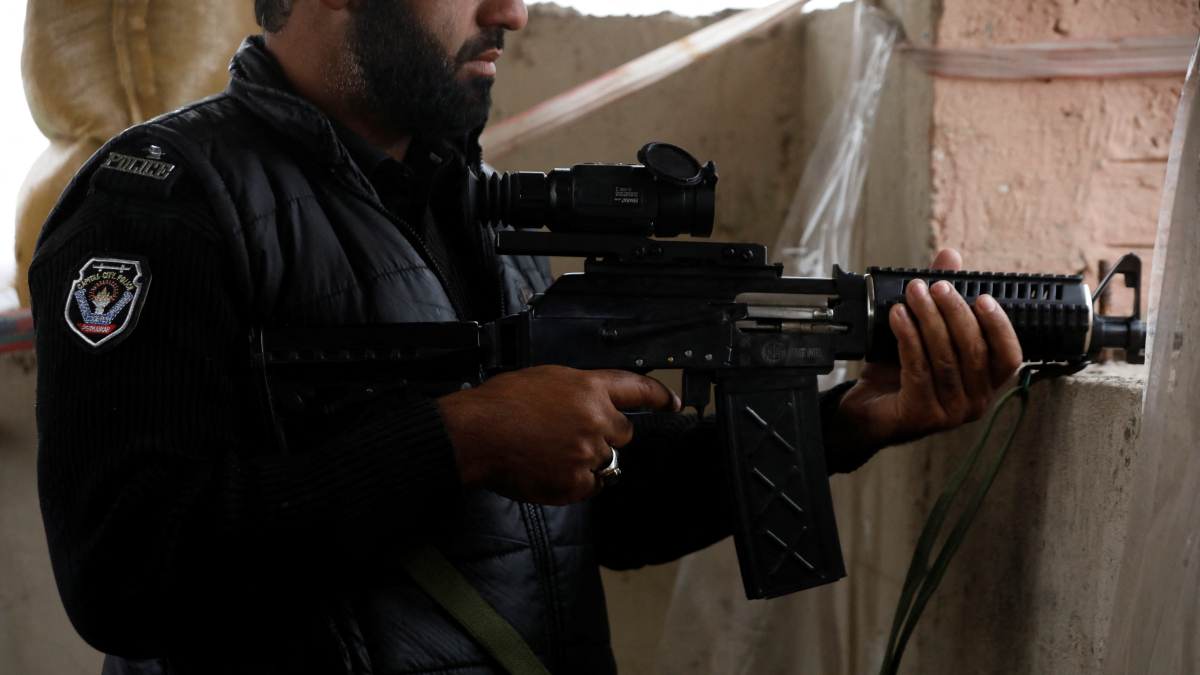
The dialogue comes as relations between Pakistan and Afghanistan remain strained by cross-border militancy.Islamabad has repeatedly accused the banned Tehreek-e-Taliban Pakistan (TTP) of launching attacks from Afghan territory and has urged Afghanistan’s Taliban authorities to take concrete, verifiable action against militant groups.
The Taliban authorities reject the accusations, insisting they do not allow Afghan territory to be used to launch attacks on other countries. They have also condemned Pakistani airstrikes, accusing Islamabad of violating Afghan sovereignty and causing civilian casualties. Kabul has called for disputes to be settled through diplomacy rather than military action.
The EU has previously urged both countries to ease tensions. In a statement on 28 February, the bloc called for an end to hostilities, the protection of civilians and renewed dialogue. It also pressed Afghanistan’s authorities to take effective action against terrorist groups operating within or from its territory.
Moscow talks expose regional divisions
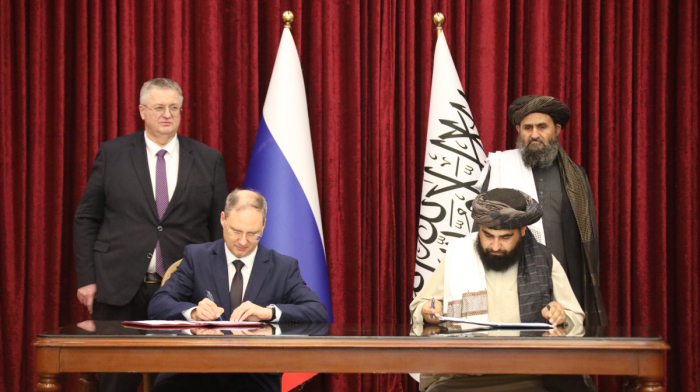
Regional disagreements were also evident at the eighth Moscow Format Consultations on Afghanistan on 5 October, which ended without a joint communiqué after Pakistani and Afghan representatives failed to agree on its wording.
Russian presidential envoy Zamir Kabulov confirmed the deadlock, which centred on references to terrorist networks operating from Afghanistan.
Pakistan pushed for language acknowledging the security threat posed by militant groups, while the Afghan delegation objected to wording linking the country to terrorism.
UN cooperation takes centre stage
Despite the wider regional tensions, Islamabad and Brussels have committed to closer cooperation at the UN, particularly on terrorist financing, violent extremism and online radicalisation.
However, the agreement leaves the central dispute between Pakistan and Afghanistan unresolved. Islamabad continues to demand verifiable action against militant groups it blames for attacks on Pakistani soil, while the Taliban authorities maintain that the allegations are unfounded.
The two sides will meet again in Brussels in 2027, with counterterrorism coordination and regional security expected to remain high on the agenda.
Read more:








What is your opinion on this topic?
Leave the first comment