Russia demands NATO halt military activity in Central Asia and Eastern Europe
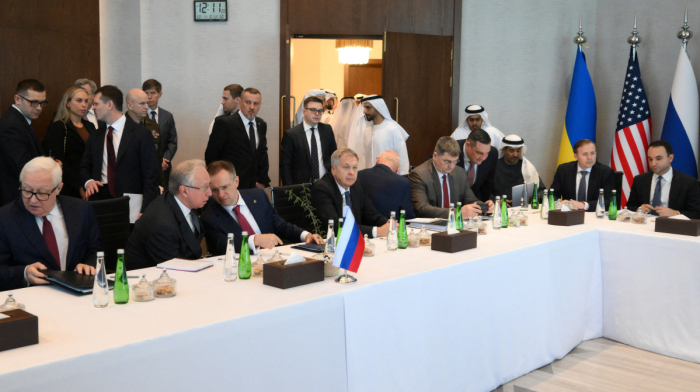
Russia has demanded that NATO halt military activity in Central Asia under sweeping security proposals put forward during talks on the war in Ukrai...
Israel is reportedly pressuring the United States to use its most powerful non-nuclear weapon—the GBU-57A/B Massive Ordnance Penetrator (MOP)—in a strike against Iran’s heavily fortified Fordow Fuel Enrichment Plant, as tensions mount in the Middle East.
The 30,000-pound bomb, dubbed the "bunker buster," is the only known U.S. weapon potentially capable of breaching Fordow, a facility buried deep within a mountain and central to Iran’s nuclear program. But even experts say the MOP might only be just powerful enough.
“Fordow could be at the edge of the MOP’s capabilities with only one munition,” said Masao Dahlgren of the Center for Strategic and International Studies.
What is the MOP?
The MOP features a robust shell to withstand the shock of deep penetration into reinforced structures and smart fusing technology to ensure detonation at the correct depth.
“You can’t just hit the entrance and expect to destroy the entire complex,” said Dahlgren. “That’s why this bomb exists.”
Can it reach Fordow?
The Fordow site is estimated to be 80–90 metres (260–295 feet) underground. A recent report from the Royal United Services Institute casts doubt on the MOP’s ability to fully penetrate the site with a single strike, suggesting multiple precise impacts may be necessary.
Deployment logistics
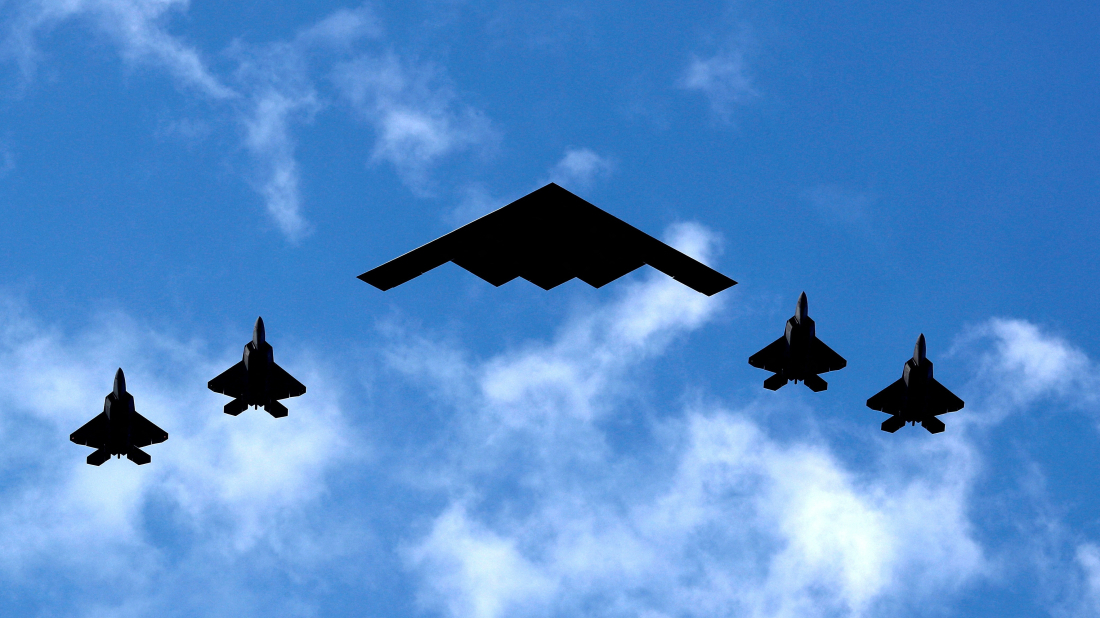
Only the B-2 Spirit, a stealth bomber operated from Whiteman Air Force Base in Missouri, can carry the MOP. The aircraft can fly up to 6,000 nautical miles without refueling and is designed to evade even advanced air defences.
The U.S. has a limited stockpile of MOPs. Boeing delivered 20 bombs by 2009; experts believe the arsenal includes roughly 30 munitions today.
Military and political stakes
The potential use of the MOP reflects escalating pressure from Israel amid its conflict with Iran, and U.S. President Donald Trump’s deliberations on how deeply the U.S. will get involved militarily. While Israel views Fordow as a critical target, deploying the MOP could mark a dramatic U.S. escalation.
The bomb has never been used in combat. Its first real-world deployment would signal a major turning point in the ongoing conflict and global geopolitics.
“It’s a really complex program,” said Dahlgren. “But it’s the only one of its kind, and if it’s going to be used anywhere—it’s for something like Fordow.”

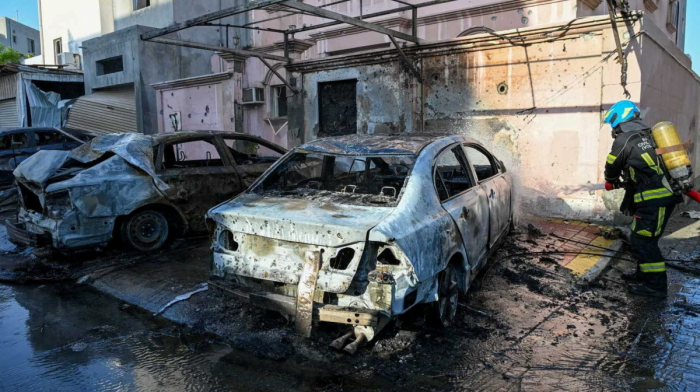
Saudi Arabia said it intercepted two Houthi ballistic missiles targeting Riyadh and three drones in its oil-rich Eastern Province on Sunday (15 November), as Iran's Revolutionary Guards claimed separate attacks on a U.S. military facility in Bahrain.
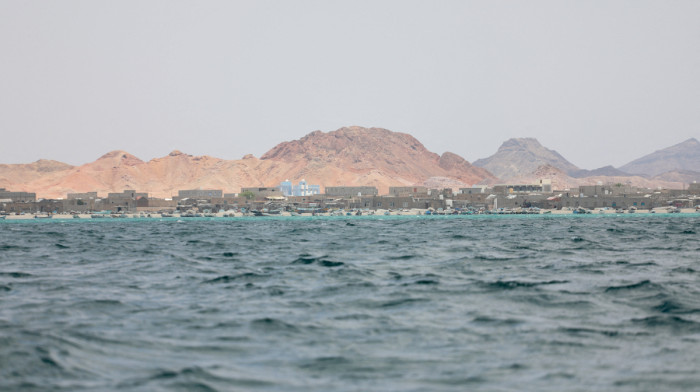
Yemeni forces fighting for the internationally recognised Saudi-backed government said on Sunday that they were withdrawing from an area overlooking the strategic Bab el-Mandeb Strait, leaving the Iran-aligned Houthis in control.
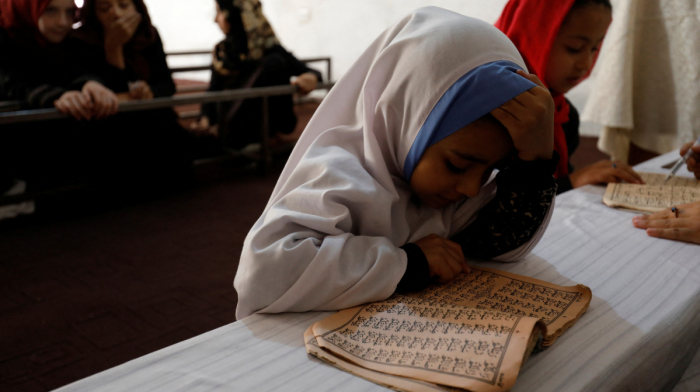
Afghanistan’s Ministry of Education has challenged a United Nations report on access to education, saying its findings do not reflect the full picture of the country’s education system.
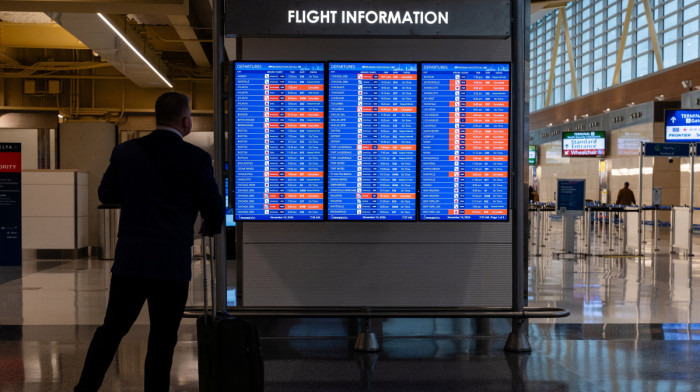
U.S. air travel is not expected to return to normal schedules until late on Sunday (15 November), the head of the FAA said, as the aviation system gradually recovers from a nationwide flight shutdown that officials blamed on routine maintenance gone awry.
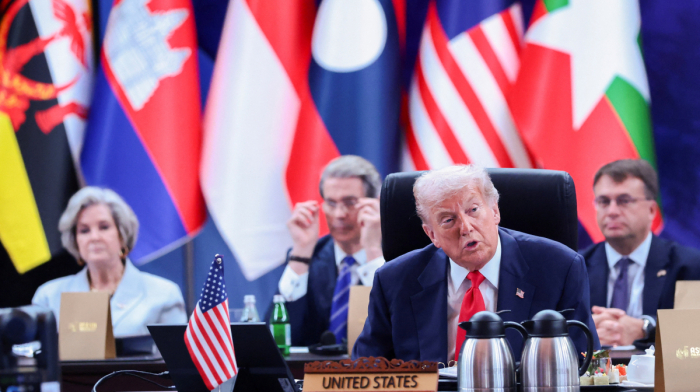
U.S. President Donald Trump is expected to arrive in Manila on Tuesday, 17 November, for a special summit with Southeast Asian leaders, as Washington seeks to strengthen regional economic and security ties amid trade tensions and growing competition with China.
Bahrain has sentenced dozens of people, most of them Shia Muslim clerics, to life in prison over an alleged plot involving Iran’s Revolutionary Guards to overthrow the government, as rights groups raise concerns about torture and coerced confessions.
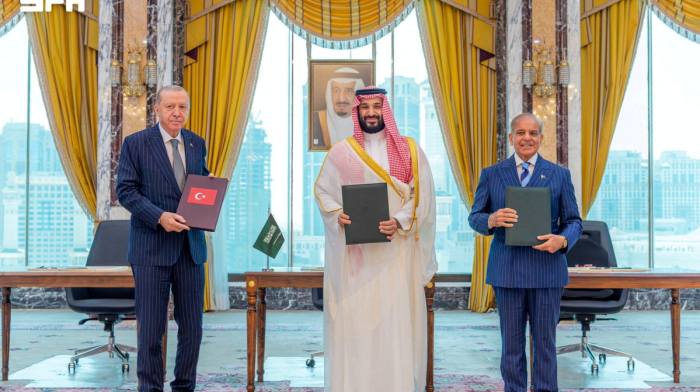
Türkiye has brought a trilateral defence pact with Pakistan and Saudi Arabia into force and signed a separate agreement with Qatar, as Ankara moves to strengthen its regional security partnerships.
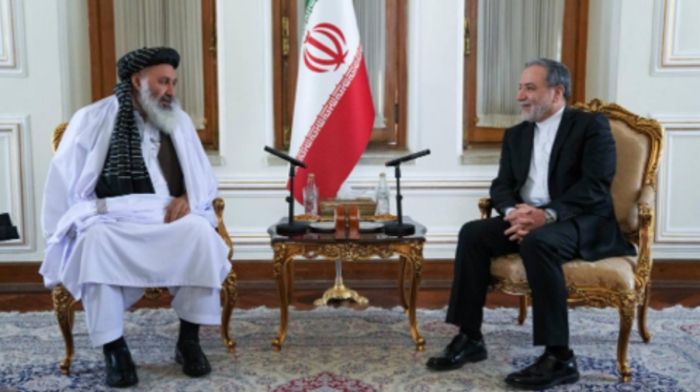
Afghanistan and Iran agreed to expand border facilities and operate customs around the clock during talks in Tehran on Sunday (15 November) between Afghan Finance Minister Mohammad Nasir Akhund and Iranian Foreign Minister Abbas Araghchi, as both countries seek to increase trade.
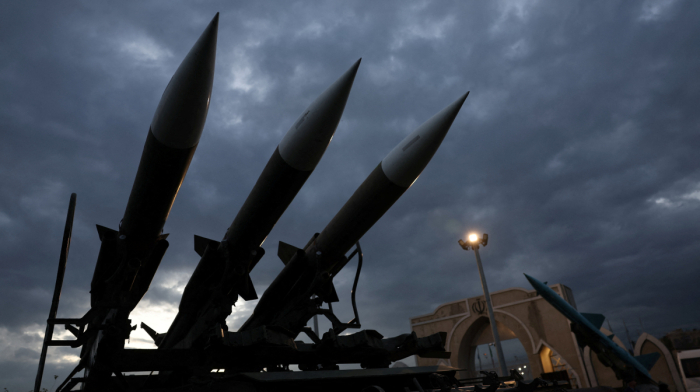
Gulf air defences have intercepted thousands of missiles and drones, but dwindling interceptor stocks are raising questions about how long that protection can last. New military agreements and closer regional cooperation could help, but significant gaps remain.
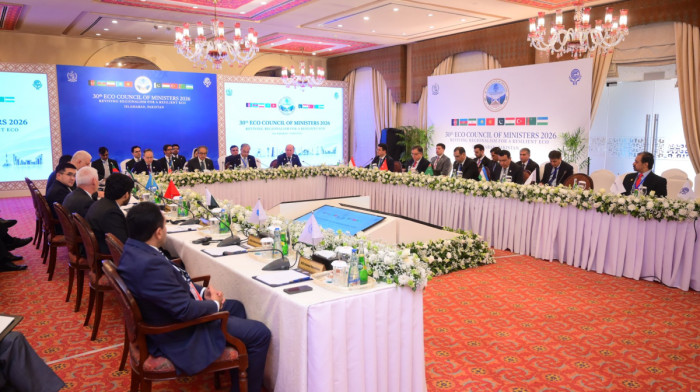
Ministers and senior officials from the Economic Cooperation Organization (ECO) are gathering in Islamabad, Pakistan, on 16 November, to discuss how trade links, transport corridors and economic integration could benefit 10 countries across Central Asia, the South Caucasus and beyond.
You can download the AnewZ application from Play Store and the App Store.
What is your opinion on this topic?
Leave the first comment