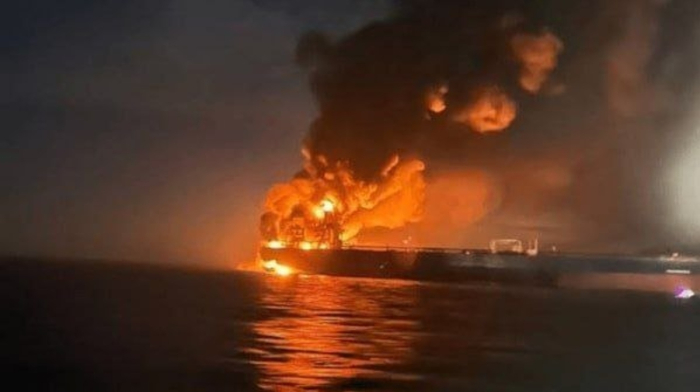
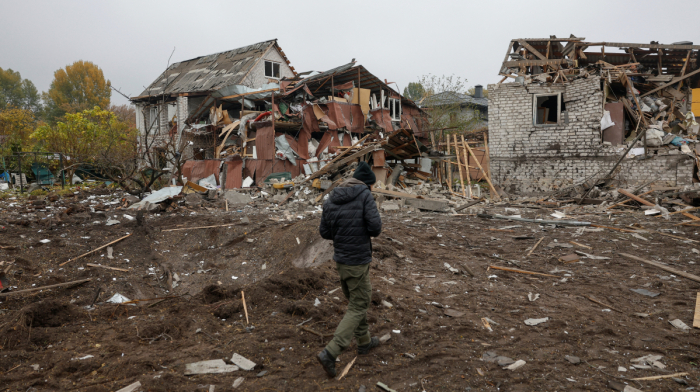
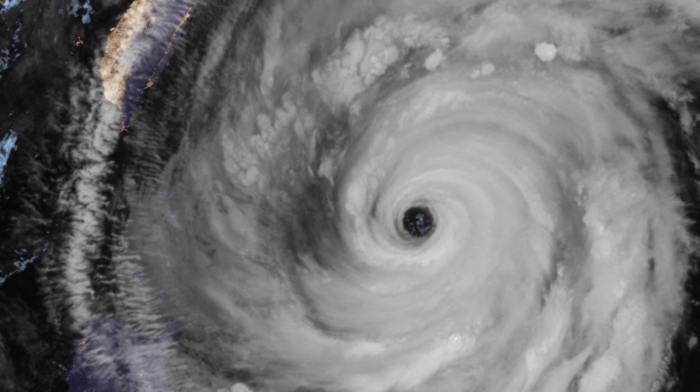
600,000 residents without power, heat, or water after Ukrainian strike in Belgorod region
The governor of Russia's Belgorod region, which borders Ukraine, reported that 600,000 residents are currently without power, heating, or water follow...
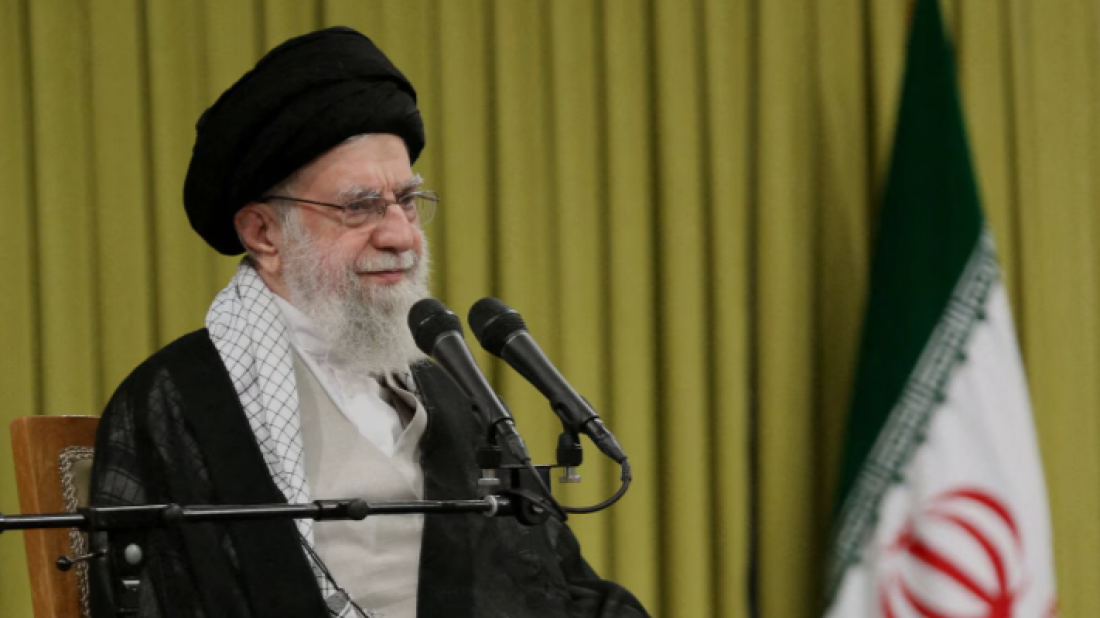
Iran’s supreme leader dismissed a key U.S. demand to halt uranium enrichment but did not close the door on further negotiations, as nuclear talks continue amid rising regional tensions.
Ayatollah Ali Khamenei on Wednesday criticised a U.S.-backed nuclear proposal, rejecting the idea of ending uranium enrichment, which he called vital to Iran’s sovereignty and energy needs. He described the proposal as contrary to Iran’s principle of self-reliance.
“If we do not have enrichment, then we should extend our hand (begging) to the U.S.,” Khamenei said, reiterating that enrichment is central to Iran’s peaceful nuclear ambitions.
Despite the sharp rhetoric, Khamenei did not rule out further dialogue. Iran’s Foreign Minister Abbas Araghchi confirmed Tehran will issue a formal response soon. Talks are seen as crucial for easing sanctions that have hit Iran’s economy.
Details of the U.S. proposal remain unclear. Reports suggest it includes a nuclear consortium to handle enrichment for Iran and its neighbours, with possible limited enrichment rights for Iran.
President Donald Trump has reinstated his “maximum pressure” campaign, renewing sanctions and warning of military action. Khamenei accused U.S. leaders of seeking to dismantle Iran’s nuclear industry, but his remarks stopped short of ending negotiations.
Experts warn that failure to reach a deal could escalate tensions further, risking conflict and ending cooperation with international nuclear inspectors.

U.S. President Donald Trump has warned that Iran could face a strong response from the United States if its authorities kill protesters amid ongoing unrest.
U.S. President Donald Trump has ruled out ordering a mission to capture Russian President Vladimir Putin, saying he is confident the war in Ukraine can be brought to an end.
Iran is now facing a near‑total internet blackout as anti-government protests sweep the country. Major cities including Tehran have seen connectivity drop sharply, leaving millions of residents isolated from online communication.
New York City parents could soon have access to free childcare for two-year-old children following a joint announcement made by Mayor Zohran Mamdani and Governor Kathy Hochul on Thursday (8 January).
Tens of thousands of Iranians have taken to the streets in Tehran and across at least 28 cities in a wave of anti-government demonstrations, now entering their twelfth day.
Iran’s security forces have intensified their crackdown on nationwide protests, with the elite Revolutionary Guards warning that safeguarding security is a “red line”, as unrest continued across the country.
Ali Larijani, a senior Iranian official and adviser to the supreme leader, has said recent protests amount to a security crisis directed from abroad, warning that the aim is to polarise society and weaken national unity at a moment of heightened confrontation.
Syrian government forces have moved into Aleppo’s Sheikh Maksoud district after a temporary ceasefire with Kurdish fighters collapsed, the army said on Saturday, following several days of deadly fighting.
The controversial closure of the criminal case concerning the tragic crash of AZAL flight 1, which was shot down by Russian air defence systems last year while approaching Grozny, has uncovered a crucial new detail, according to Minval Politika.
The foreign ministries of Armenia and Iran held political consultations in Yerevan, according to official statements.
You can download the AnewZ application from Play Store and the App Store.
What is your opinion on this topic?
Leave the first comment