Paris imposes curfew following largely peaceful protests
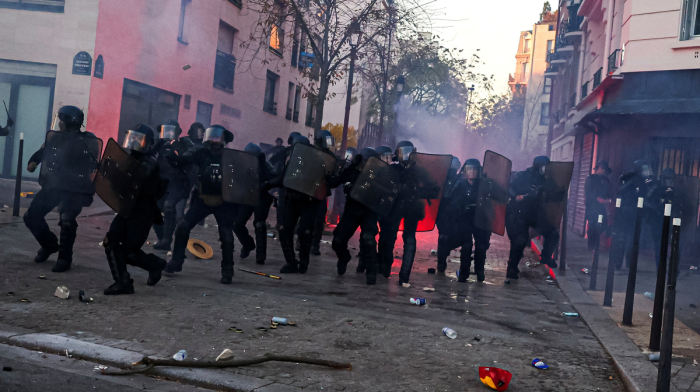
Police were deployed across Paris on Saturday, as a curfew was set to take effect in the Republique and Chât...
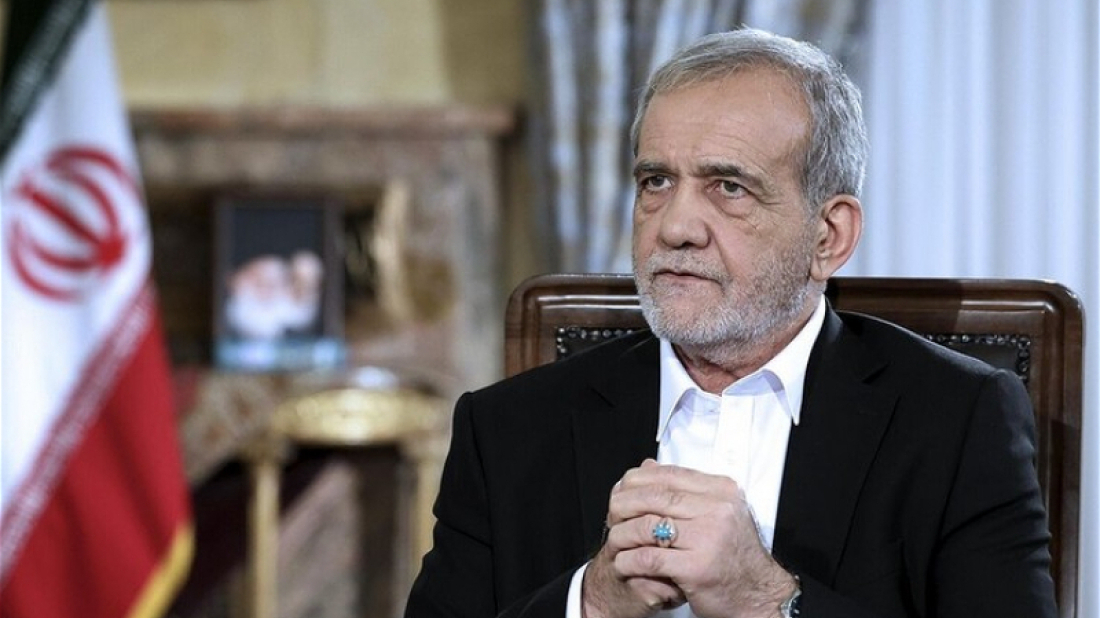
Iran is holding indirect negotiations with the United States to reaffirm its right to peaceful nuclear energy, President Masoud Pezeshkian said, adding that Tehran will not yield to pressure or give up its nuclear ambitions for civilian use.
Iranian President Masoud Pezeshkian says his country is engaged in indirect negotiations with the United States to prove one point: Tehran does not seek war, nor nuclear weapons.
“We are negotiating to prove that we do not seek war,” he said in a message posted by the Iranian government’s Telegram channel. “Iran has never sought and will never seek to possess nuclear weapons, but it will under no circumstances give up its rights to peaceful nuclear energy.”
His remarks come amid renewed diplomatic exchanges between Tehran and Washington, though no direct meetings have been reported.
According to Pezeshkian, nuclear technology is essential for Iran’s development—not only for energy, but also in health, agriculture, and industrial sectors.
He warned that Iran would not abandon its rights “under pressure,” echoing long-standing frustration over Western sanctions and restrictions linked to the country’s nuclear programme.
The talks, though indirect, signal a potential shift in tone after years of stalled diplomacy following the U.S. withdrawal from the 2015 nuclear deal.
So far, Washington has not publicly commented on the latest exchanges.
The U.S. has approved the sale of 500 Patriot PAC-3 missiles to Ukraine in a deal worth an estimated $2.1 billion, but Kyiv could face years of delays before receiving the weapons it urgently needs to defend against intensifying Russian attacks.
Iranian Supreme Leader Ayatollah Khamenei has ordered Iran's armed forces to respond to any threat immediately and without geographical limits in statements posted to social media platforms on Saturday (31 October).
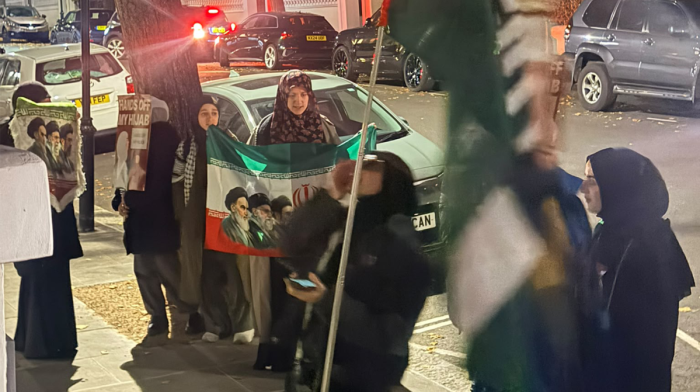
Demonstrators carrying Iranian flags and placards supporting the hijab gathered outside the Azerbaijani Embassy in London.
A Chinese-made AI chip has matched Nvidia’s H200 in tests conducted by its developer, marking a potential breakthrough in China’s efforts to reduce its dependence on foreign technology.
A hacking group linked to North Korea is widely believed to be behind the theft of $6.3 billion from cryptocurrency giant Binance, a cyberattack that experts describe as the largest cryptocurrency heist on record.
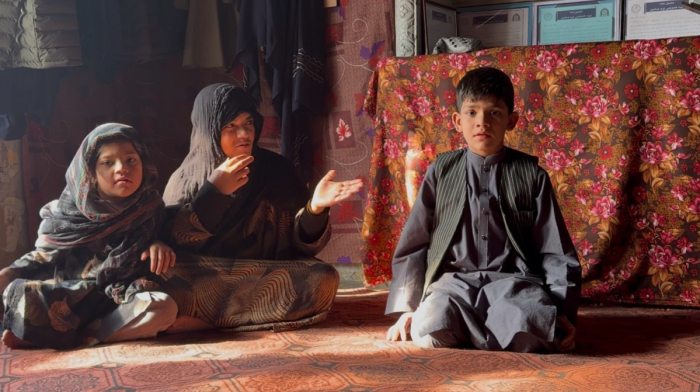
Since 2021, only 9 per cent of $8 billion in humanitarian aid for Afghanistan can be traced beyond initial recipients in public records, a Kabul Institute report released on 22 October said. The United Nations says its oversight systems ensure accountability.
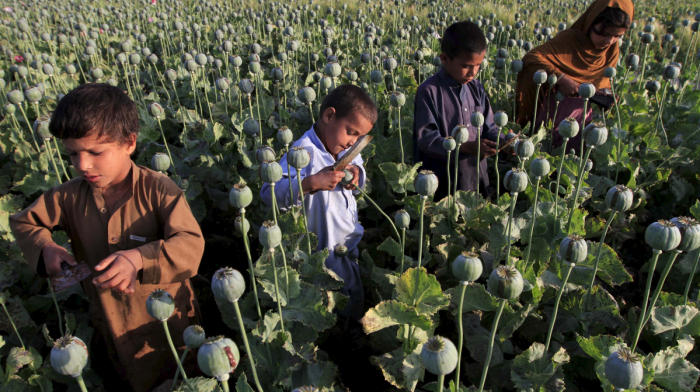
Opium poppy cultivation in Afghanistan surged by 330 per cent in 2026 despite a four-year ban, the United Nations said on Thursday. Afghan authorities disputed the findings, while Japan urged continued support for farmers seeking alternative livelihoods.
Demonstrators carrying Iranian flags and placards supporting the hijab gathered outside the Azerbaijani Embassy in London.
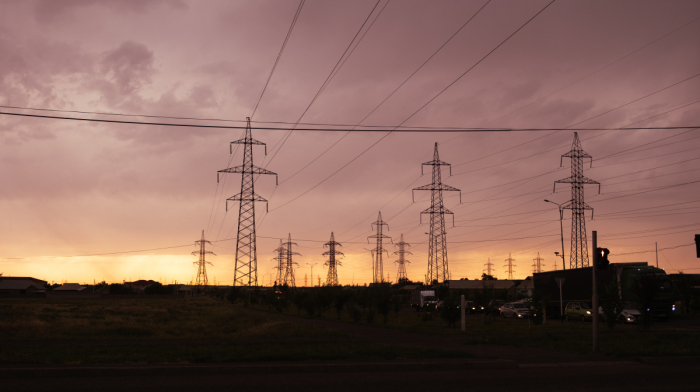
Central Asia could gain up to $640 million a year from closer energy cooperation, but strained electricity grids threaten to limit those gains, with Kazakhstan particularly exposed to regional power shortages and growing pressure on its network.
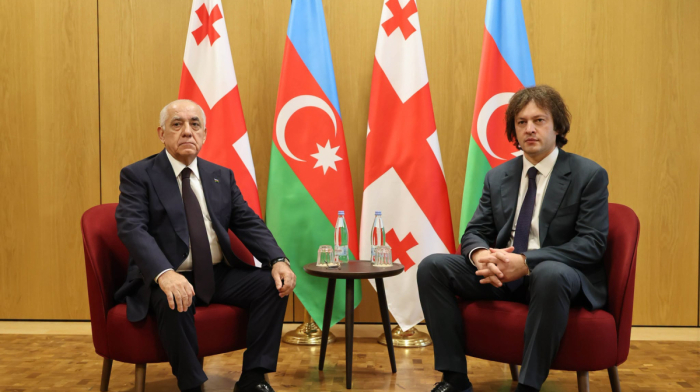
Georgia and Azerbaijan are stepping up efforts to boost trade, strengthen transport links between Asia and Europe and resolve a longstanding border dispute, as both countries seek to deepen their strategic partnership.
You can download the AnewZ application from Play Store and the App Store.
What is your opinion on this topic?
Leave the first comment