The four-year truce that helped stabilise Yemen appears to have collapsed after the Houthi movement fired missiles at Saudi Arabia, accusing the kingdom of bombing an airport under its control. The escalation raises fears of a wider regional conflict.
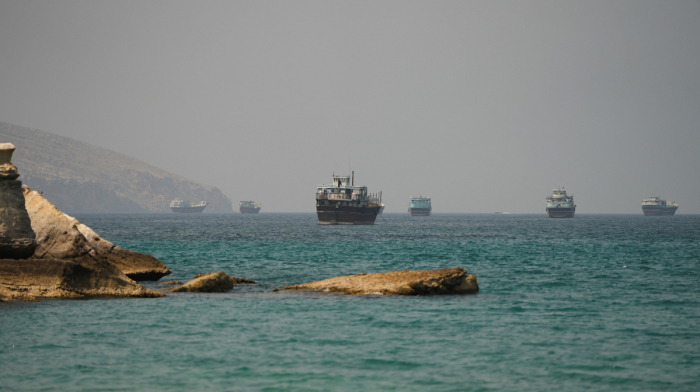
The attack marks a significant escalation and signals the end of a period of de-escalation brokered by the United Nations (UN). More worryingly for global powers, it raises the spectre that Iran could now use its Houthi allies to close the Bab el-Mandeb strait - a critical gateway to the Red Sea. If that happened, it would become the second major international shipping choke point to be disrupted in recent years, following the Strait of Hormuz.
But who exactly are the Houthis and how did a rebel group from the mountains of northern Yemen become a pivotal player in the Middle East's complex geopolitical landscape?
A movement born from exclusion
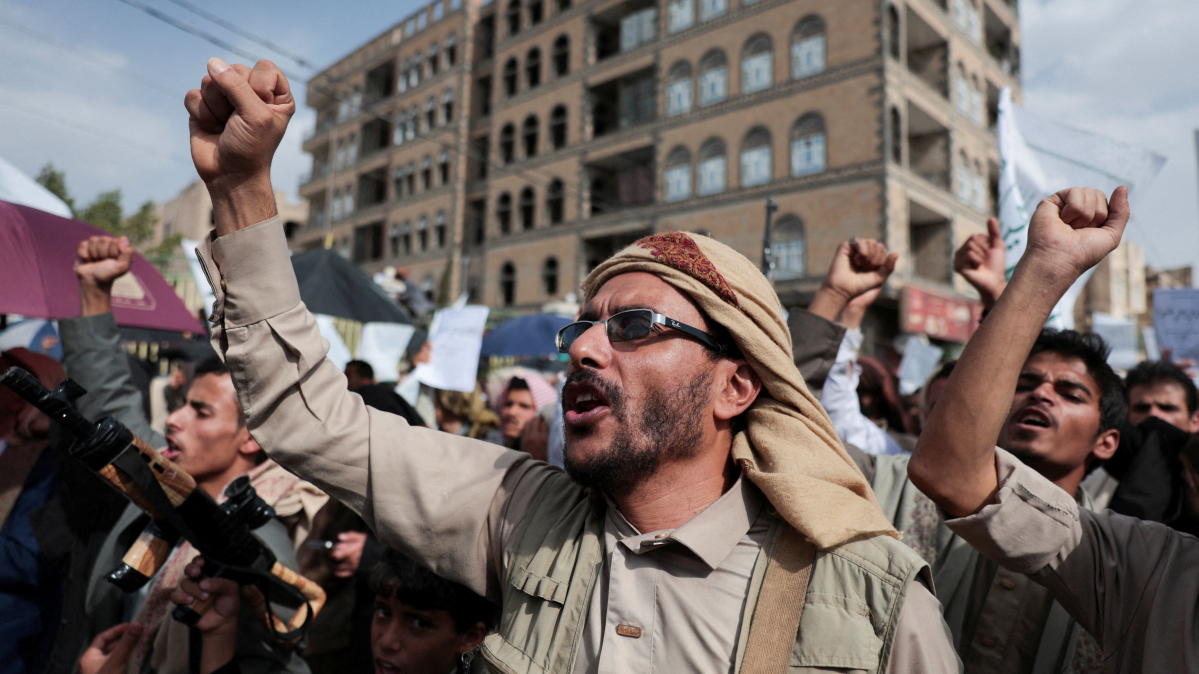
The Houthis are a military, political, and religious movement led by the Houthi family. They adhere to the Zaydi sect of Shi'ite Islam, a branch that once ruled Yemen but whose northern heartland had become impoverished and marginalised by the time the movement emerged in the late 1990s.
Initially established as a religious revival movement, friction with the Yemeni government quickly intensified. The Houthis fought a series of guerrilla wars against the national army and later engaged in a brief border conflict with Saudi Arabia. However, their influence expanded dramatically after the 2011 Arab Spring protests created a power vacuum in the country.
Seizing on the instability, the Houthis captured the Yemeni capital, Sanaa, in 2014. The move triggered a chain of events that would devastate the country.
The Saudi-led intervention
The fall of Sanaa alarmed Saudi Arabia, which feared the growing influence of its regional rival, Iran, along its southern border. In March 2015, Riyadh led a coalition of Arab states in a military intervention aimed at dislodging the Houthis and restoring the internationally recognised government, which had relocated to Aden.
However, the campaign did not go as planned. The Houthis, often described as mountain fighters in sandals, demonstrated increasingly sophisticated military capabilities. They developed substantial missile and drone arsenals, enabling them to strike deep inside Saudi Arabia and the United Arab Emirates, targeting oil facilities and critical infrastructure.
Years of conflict led to what the United Nations (UN) described as one of the world's worst humanitarian crises, with millions displaced and facing famine.
The war in Gaza and regional expansion
The trajectory of the Houthi movement shifted again on 7 October 2023. Following the Hamas-led attack on Israel and the subsequent Israeli military campaign in Gaza, the Houthis declared their support for the Palestinians.
They began launching missiles and drones at Israel and, more significantly, started attacking international shipping in the Red Sea. The assaults forced major shipping companies to divert vessels around southern Africa, disrupting global trade. The U.S. and the UK responded with air strikes on Houthi targets, while Israel also launched attacks against the group.
Relationship with Iran
A central question surrounding the Houthis is the nature of their relationship with Iran. The Saudi-led coalition accuses Tehran of arming, funding and training the Houthis, with support from the Lebanese political and militant group Hezbollah. The U.S. has echoed those allegations.
The Houthis, however, deny being an Iranian proxy and insist they develop their own weapons. While Iran promotes the Houthis as part of its regional "Axis of Resistance", Yemen experts argue the movement remains primarily driven by domestic objectives. Although it shares political and ideological ties with Iran and Hezbollah, analysts say the relationship is based more on mutual interests than direct control.
Nevertheless, the latest missile attacks underline that the Houthis remain a formidable and unpredictable force capable of reshaping security across the Middle East.















What is your opinion on this topic?
Leave the first comment