Hezbollah said it launched rockets and drones into northern Israel on Tuesday (21 April), accusing Israeli forces of violating a ceasefire agreed last week. In a statement, Hezbollah said it targeted a position that had been used to strike southern Lebanon.
The armed group accused Israel of attacking civilians and destroying homes in breach of the ceasefire.
Earlier, the Israel Defense Forces said Hezbollah had fired several rockets towards its troops operating in southern Lebanon, calling it a “blatant violation” of the ceasefire. It was not immediately clear if both sides were referring to the same incident.
The Israeli military said it struck the launcher used in the attack and added that sirens sounded in northern Israel after a drone launched from Lebanon was intercepted.
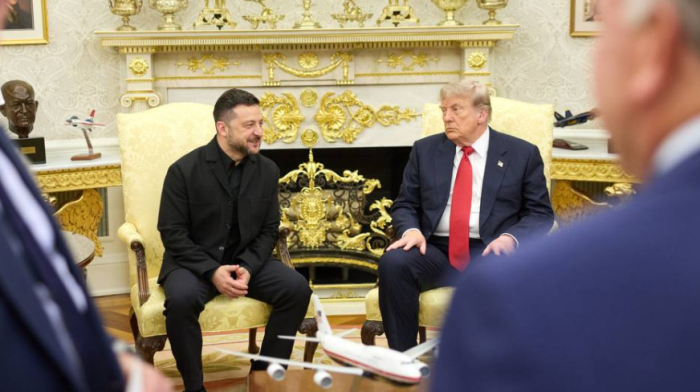
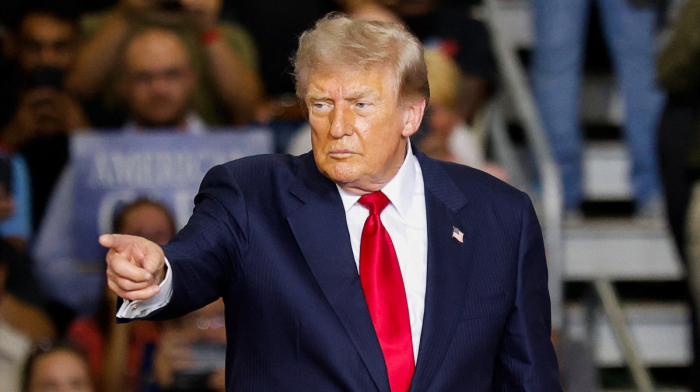
A 10-day ceasefire, announced by U.S. President Donald Trump, came into effect last Thursday (16 April). However, Israeli troops remain deployed in a strip of land inside southern Lebanon, stretching around 5 to 10 kilometres from the border. Israel says the aim is to create a buffer zone to protect its northern communities.
Lebanese state media reported renewed Israeli demolitions in several southern villages, along with artillery fire in nearby areas.
Israel ended its presence in southern Lebanon in 2000 after more than two decades, during which Hezbollah, the Amal movement and other groups carried out attacks against its forces.
Since the latest conflict began on 2 March, Israeli strikes have killed nearly 2,300 people in Lebanon, according to Lebanese authorities.
Calls for resistance as talks approach
Ahead of a new round of U.S.-mediated talks between Israel and Lebanon, senior Lebanese figures have warned that continued Israeli presence could lead to further escalation.
Nabih Berri, a close ally of Hezbollah, said any ongoing Israeli presence would be met with resistance. “If Israel maintains its occupation, whether of areas, positions, or by drawing yellow lines, it will smell the scent of resistance every day,” he told local newspaper al-Joumhouria.
The United States is expected to host a second round of ambassador-level discussions later this week. The talks are among the highest-level contacts between Israel and Lebanon in decades.
Israeli officials have said their long-term goal is to see Hezbollah disarmed. Israel Katz said, "If the Lebanese government continues not to keep its commitment (to disarm Hezbollah), the IDF (Israel Defense Forces) will do so by continuing its military activity."
Israeli Prime Minister Benjamin Netanyahu has taken a more cautious tone last Friday (17 April), saying the Lebanese armed group "will not be achieved tomorrow'' as it requires ''sustained effort, patience, and endurance, and it requires wise navigation of the diplomatic field."
Lebanon’s government has said it does not want confrontation, but has also called for Israeli forces to withdraw from its territory.
The latest exchange highlights the fragile nature of the ceasefire, as both sides trade accusations while diplomatic efforts continue.










What is your opinion on this topic?
Leave the first comment