Meloni warns Hormuz shipping curbs threaten global trade
Italian Prime Minister Giorgia Meloni said on Thursday (9 April) that restoring freedom of navigation in the Strait of Hormuz is a vital interest f...
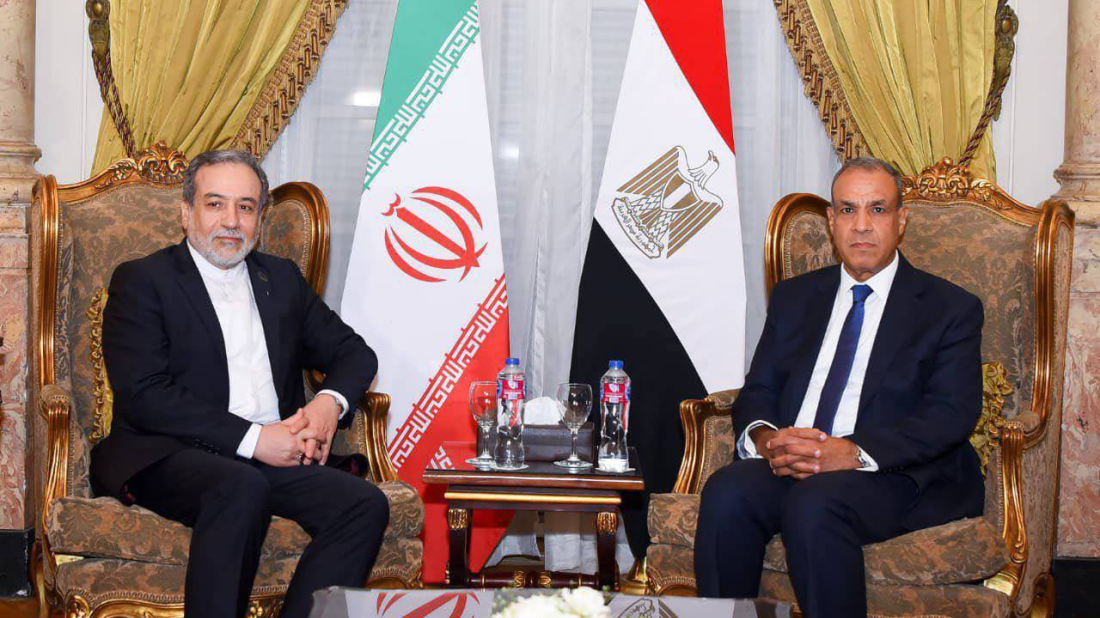
Tehran has declined Egypt’s official invitation to participate in the Sharm El-Sheikh Summit on Gaza ceasefire between Hamas and Israel. Iran’s Foreign Minister Abbas Araghchi said he cannot sit at the same table with the statemen who attacked his country.
In a post on X, Araghchi expressed gratitude for Egyptian President Abdel Fattah el-Sisi’s invitation but made it clear that neither President Masoud Pezeshkian nor himself would be meeting with hostile counterparts.
"Iran is grateful for President El-Sisi's invitation to attend the Sharm El-Sheikh Summit. While favouring diplomatic engagement, neither President Pezeshkian nor I can engage with counterparts who have attacked the Iranian people and continue to threaten and sanction us."
He said this in reference to joint Israeli - U.S. airstrikes on Iran’s civilian nuclear facilities in June, as well as the US maximum pressure sanctions targeting the country’s economy, energy and health sectors.
However, he reiterated Tehran’s firm support for any Palestinian decision that ends Israel’s military occupation of Gaza.
“Having said that, Iran welcomes any initiative that ends Israel's Genocide in Gaza and ensures the expulsion of occupation forces," he added.
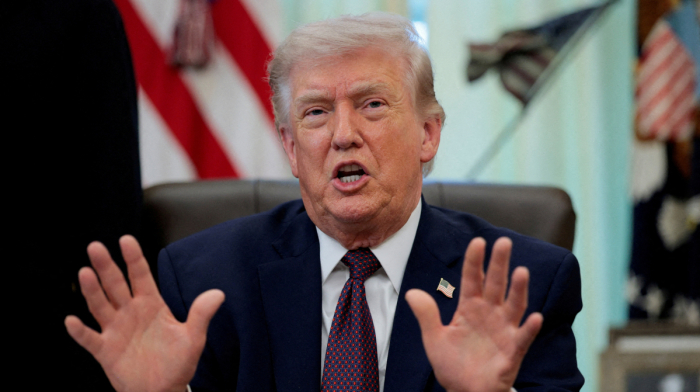
The summit in Egypt’s Red Sea port city of Sharm al-Sheikh will be co-chaired by el-Sisi and U.S. President Donald Trump to formalise a ceasefire and lay out reconstruction and governance steps after the two-year war in Gaza.
Iran does not recognise Israel and therefore has not accepted the two-state solution of Palestine and Israel expressing its reservation on the issue at the international forums on the situation in the Palestinian lands.
Araghchi also rejected Trump's statement saying Iran can join the Abraham Accords which include agreements that established diplomatic normalisation between Israel and some Arab states.
In a televised interview on Saturday, he said that the US President expresses what he wants to achieve in different ways, stressing that Trump’s expectation will never take place.
“Trump usually expresses what he wants to achieve in various ways, but the foundation of the Abraham Accords is fundamentally treacherous and has no alignment with the ideals of the Islamic Revolution or the Iranian nation.”
“It will never happen,” Iran’s top diplomat added.
China and Russia vetoed a United Nations Security Council resolution on Tuesday aimed at coordinating defensive efforts to protect commercial shipping in the Strait of Hormuz, leaving no agreed international framework for securing the vital route.
Lebanon’s Hezbollah said it had stopped firing on northern Israel and Israeli forces on Wednesday as part of a two-week ceasefire in the Middle East brokered between the United States and Iran. However, a Hezbollah lawmaker warned that the pause could collapse if Tel Aviv does not adhere to it.
Pakistan’s Prime Minister Shehbaz Sharif said Iran and the United States, along with their allies, have agreed to an immediate two-week ceasefire covering all areas, but Israel says the deal excludes Lebanon. Tel Aviv says the U.S. is committed to achieving shared goals in upcoming negotiations.
Construction has begun on a major new solar power project in Xizang, as China continues to expand its renewable energy capacity and push towards a greener future.
U.S. Vice-President J.D. Vance began a visit to Budapest on Tuesday by praising Prime Minister Viktor Orbán, who faces a closely contested parliamentary election on Sunday.
Italian Prime Minister Giorgia Meloni said on Thursday (9 April) that restoring freedom of navigation in the Strait of Hormuz is a vital interest for both Italy and the European Union, pledging coordination with international partners to ensure safe passage.
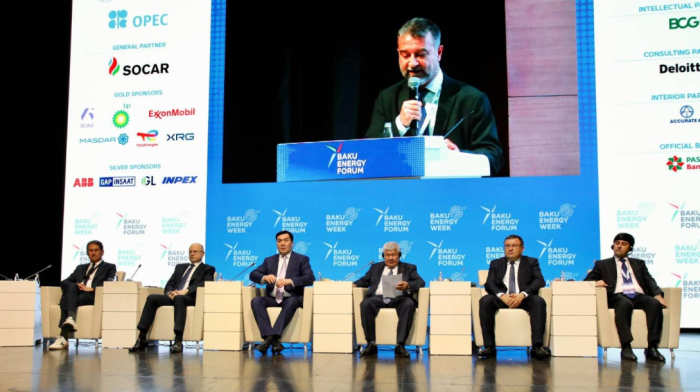
Kazakhstan says oil exports via the Caspian Pipeline Consortium (CPC) remain stable after drone strikes on facilities near Novorossiysk, despite damage to key infrastructure and rising risks to a major export route.
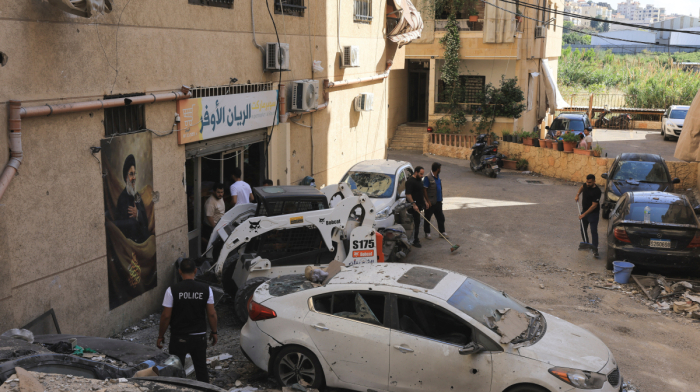
Israel launched its heaviest strikes on Lebanon since hostilities escalated last month, killing over 100 people, even as Hezbollah halted attacks under a disputed U.S.-Iran ceasefire.
Turkish President Recep Tayyip Erdoğan has said Türkiye aims to rank among the world’s top ten exporters of defence technology within the next two years.
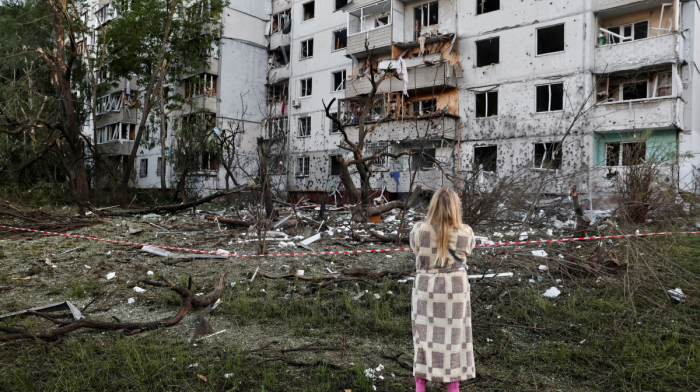
As global attention centres on the conflict between Iran and the U.S., violence in Lebanon is intensifying, with Israeli strikes hitting residential areas, causing mounting civilian casualties and deepening an already severe humanitarian crisis.
You can download the AnewZ application from Play Store and the App Store.
What is your opinion on this topic?
Leave the first comment