Less than two weeks after signing of agreements between Iran and Russia on nuclear energy production, Tehran and Moscow have begun discussions to implement said agreements for construction of nuclear power reactors
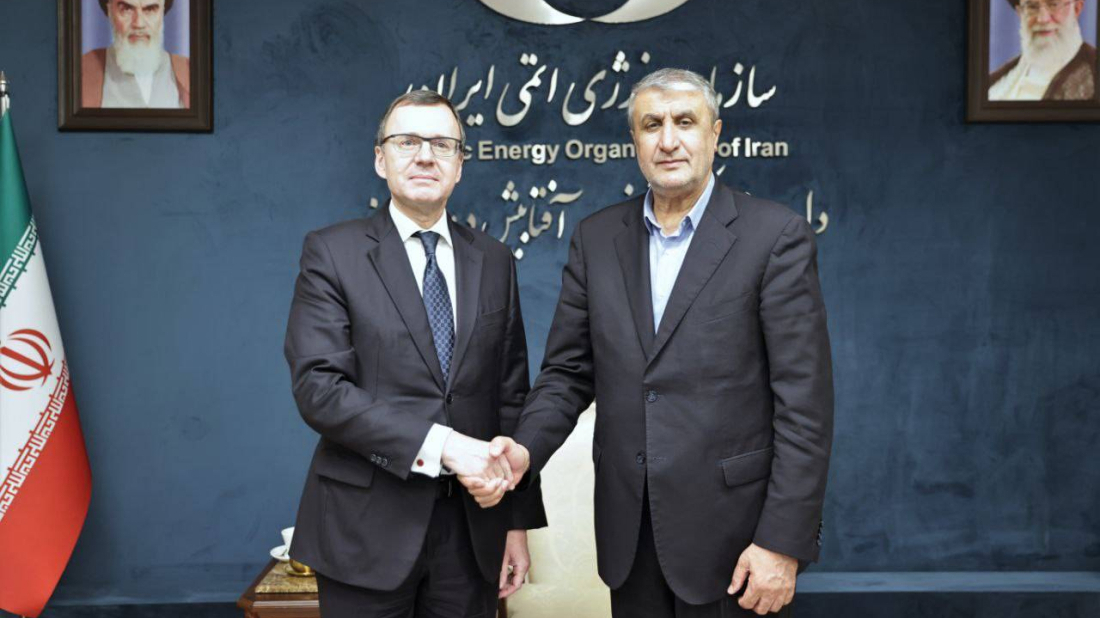
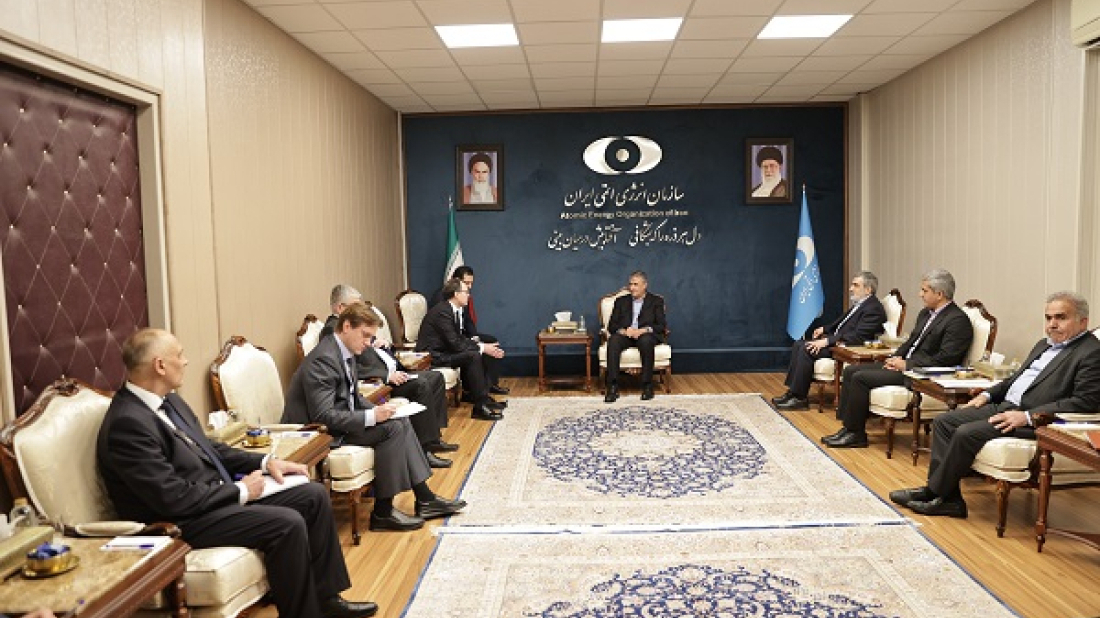
According to the Atomic Energy Organization of Iran (AEOI), its chief Mohammad Eslami met Nikolai Spassky, Deputy Director for International Affairs of State Atomic Energy Corporation Rosatom, in Tehran on Wednesday.
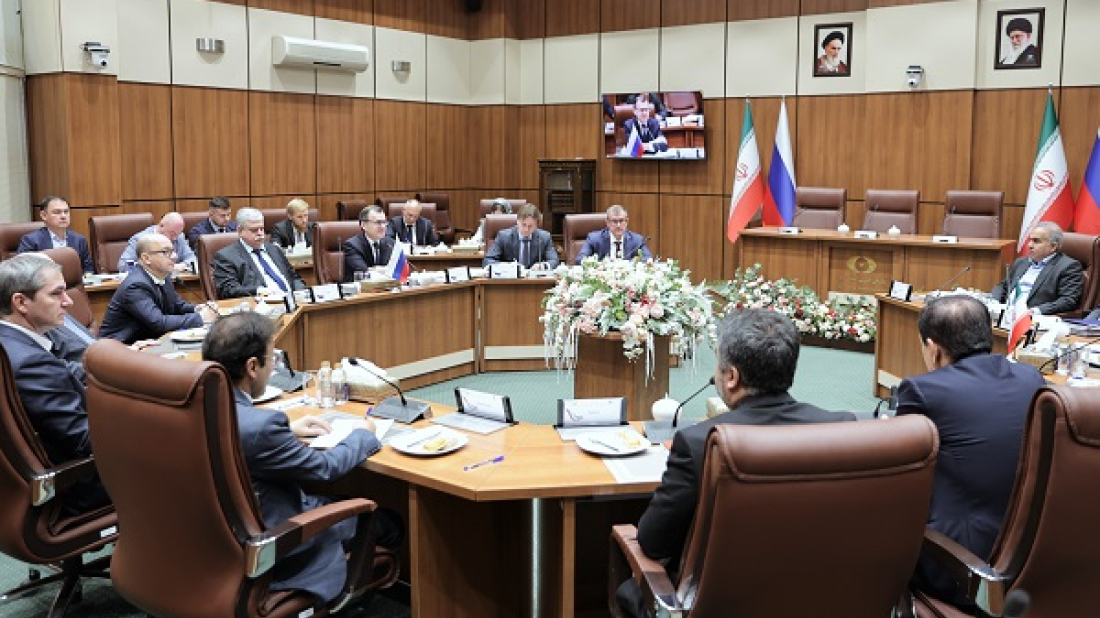
The Iranian and Russian delegations held detailed negotiations on the development of cooperation in the field of small modular reactors (SMRs) which can generate up to 300 Megawatts of nuclear power as well as the construction of four 1250 Megawatts reactors, it said.
Last Thursday, the Comprehensive Strategic Partnership Treaty between Iran and Russia entered into force and will be valid for 20 years. It was concluded in January 2025, in Moscow by President Masoud Pezeshkian and President Vladimir Putin.
It consists of 47 articles addressing cooperation in technology, information and cybersecurity, peaceful nuclear energy collaboration, counterterrorism efforts, regional cooperation, environmental issues, and combating money laundering and organized crime.
Article 23 of the document is specifically dedicated to cooperation in the field of nuclear reactors. It lays down, “The Contracting Parties shall promote the development of long-term and mutually beneficial relations for the purpose of implementing joint projects in the area of peaceful use of nuclear energy, including the construction of nuclear energy facilities.”
The talks in Tehran followed Eslami’s visit to Moscow in September during which two cooperation agreements were signed in the field of small modular reactors and the Iran-Hormoz major nuclear power plant project to build four 1250 Megawatts reactors with a value of over 25 billion dollars.
The announcement comes as the UN nuclear sanctions on Iran were reinstated last month despite of a joint Russia-China draft resolution at the Security Council proposing a six-month delay in their return.
The Atomic Energy Organization of Iran also announced that the Rosatom CEO Alexei Likhachev will be visiting Iran soon to follow up on the agreed issues including progress in the construction of Units 2 and 3 of the Bushehr Nuclear Power Plant.
Iran’s Persian Gulf province of Bushehr is hosting its first ever 1000-Megawatt nuclear power plant which was built and connected to the national grid in 2012 based on an agreement with Rosatom.
The Russian firm took over the project after the German Siemens company withdrew from its 1974 contract with Iran following the Islamic Revolution which ousted the pro-west shah monarchy in 1979.
Germany was one of the European powers including France and the UK which as signatories of the 2015 Iran nuclear agreement (JCPOA) referred their dispute with Tehran to the Security Council resulting in the re-imposition of the UN nuclear sanctions.
The Iranian lawmakers are demanding the Foreign Ministry lower Tehran’s diplomatic relations with the E3 saying their move against Iran was meant to secure the U.S. support of Ukraine in its war with Russia.
In the wake of the U.S.-Israel war against Iran and bombing of its civilian nuclear sites under the UN nuclear watchdog’s verification last July, the MPs passed a legislation suspending Terhan’s ties with the Vienna-based IAEA.
The lawmakers are also reviewing draft bills calling for withdrawal from the Non-Proliferation Treaty (NPT) after the pre-2015 sanctions were reimposed on Iran.











What is your opinion on this topic?
Leave the first comment