Kazakhstan eyes new Caspian energy routes, minister tells AnewZ
Kazakhstan is open to expanding its oil export routes through Azerbaijan and advancing joint energy infrastructure projects across the Caspian region,...
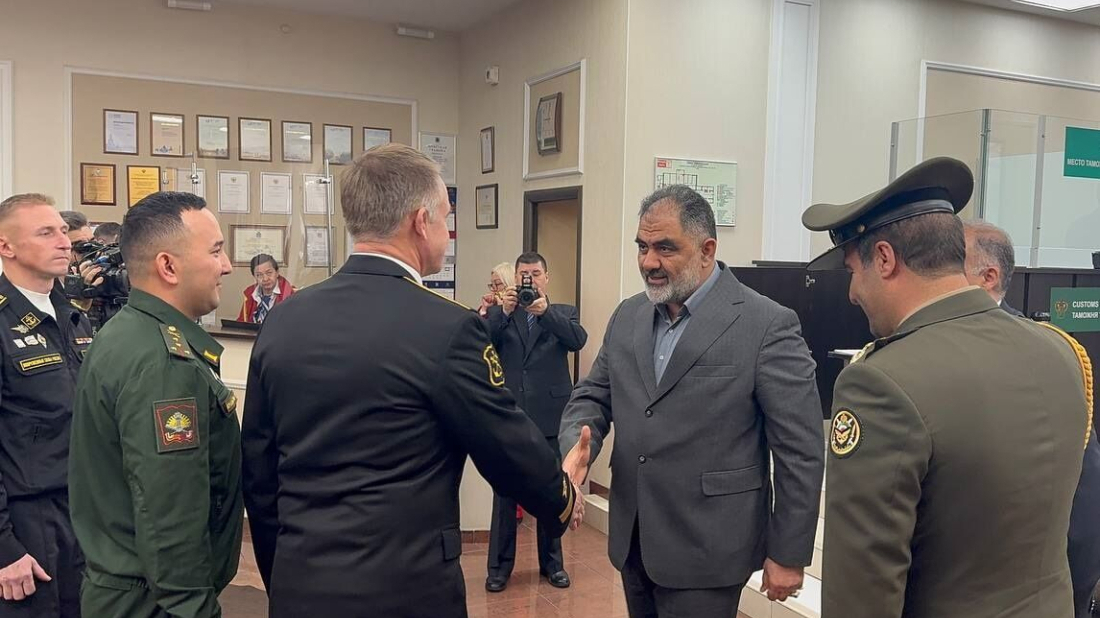
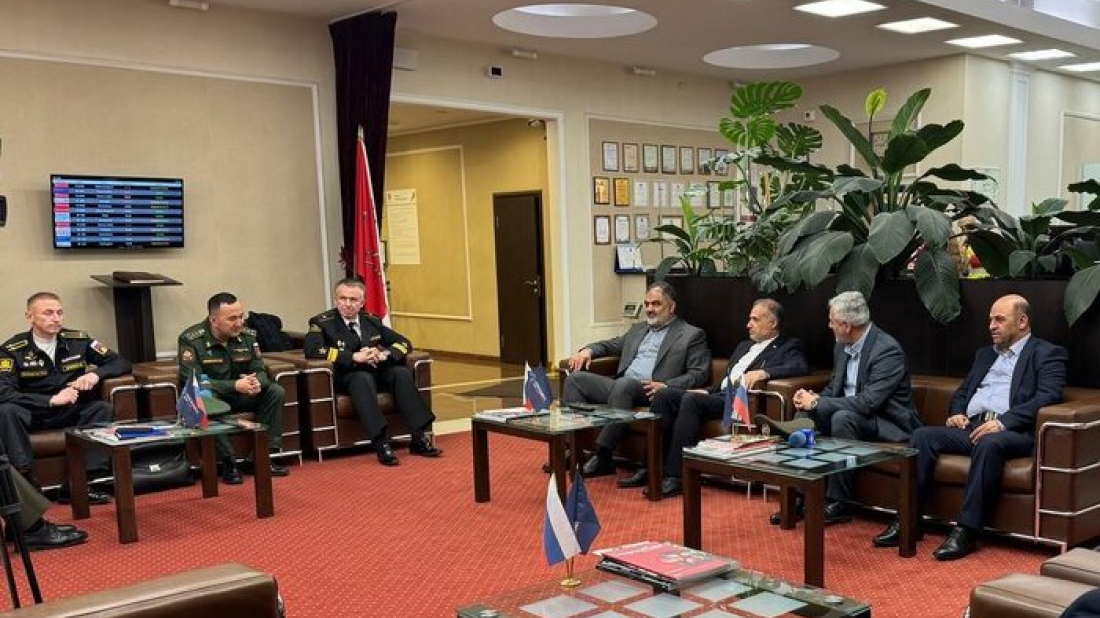
The Iranian Navy Commander Rear Admiral Shahram Irani is currently in Russia to participate in the meeting of the Caspian Sea Naval Chiefs taking place in St Petersburg.
Defence Minister Brigadier General Aziz Nasirzadeh also visited neighbouring Türkiye last week where discussions focused on discussed bilateral defence ties and regional developments.
Both events appear to suggest that Tehran is building up its readiness for potential confrontation in the wake of the 12-day war by Israel and the United States earlier in June.
Admiral Irani is scheduled to meet his counterparts from the Caspian Sea littoral states on bilateral issues of interest in addition to exchanging views with them on multilateral cooperation.
According to the IRNA news agency, the Iranian Navy commander will also pay a visit to Russia’s naval bases in the Gulf of Finland, the lead frigate Admiral Grigorovich, and the Central Naval Museum.

His visit comes as the Comprehensive Strategic Partnership Treaty between Iran and Russia kicked off last Thursday and will be in force for 20 years. It lays down enhanced cooperation between Tehran and Moscow in bilateral fields as well as within regional and international groups.
Prior to its enforcement, the Iranian and Russian navies have maintained close relations. Their joint hybrid exercise, the Caspian Sea Search and Rescue Exercise 2025 was hosted by Iran last July under the slogan Together for a Safe and Secure Caspian Sea.
And according to the New York-based news magazine Newsweek citing alleged leaks from Rostec, Russia’s state defence conglomerate, Iran may be preparing to purchase 48 Sukhoi Su-35 fighter jets in a landmark deal with Moscow.
The reported upgrading to modern Su-35 fighters is expected to drastically modernize Tehran’s air force and contribute to its might to deter attacks and defend key facilities following joint strikes by Israel and the United States on its nuclear sites in June.
As well as strengthening relations with Moscow, Tehran has signed a comprehensive document on cooperation with Beijing valid for 25 years.
Iran’s Navy held the Seventh Maritime Security Belt Naval Exercise in March in the northern Indian Ocean, involving naval units from the Army and the revolutionary force IRGC, as well as warships from Russia and China, and observers from regional countries.
U.S. rapper Kanye West, now known as Ye, performed to a crowd of 118,000 people in Istanbul on Saturday night, marking his first concert in Europe in more than a decade, despite being barred from performing in several countries over past antisemitic remarks.
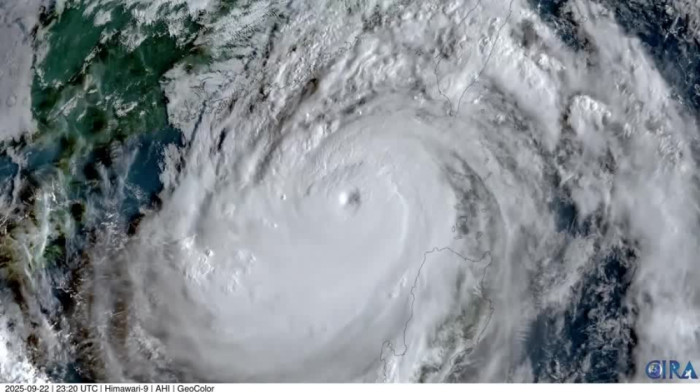
Okinawa lost transport links and suffered widespread power outages on Monday (1 June) as Severe Tropical Storm Jangmi brought destructive winds and heavy rain to Japan's south-western islands.
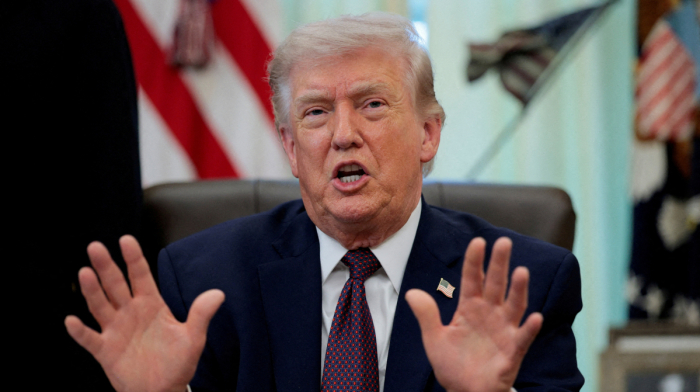
Donald Trump said he is “in no hurry” to reach a deal with Iran, insisting the U.S. is slowly getting what it wants. He warned military action remains an option if talks fail. Meanwhile, U.S. forces said they fired a missile at a vessel trying to breach Washington’s blockade of Iran.
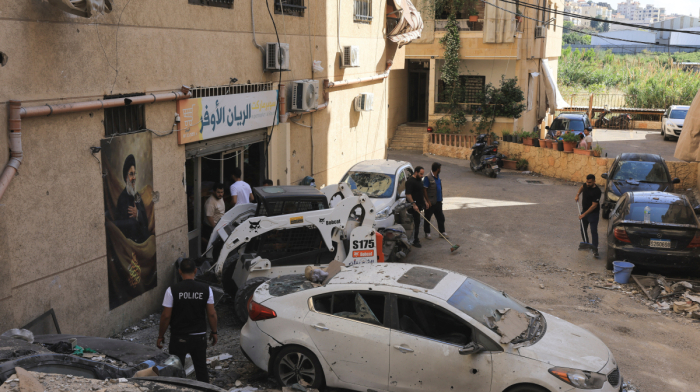
U.S. Secretary of State Marco Rubio has held talks with Lebanese President and Israeli Prime Minister on efforts to ease tensions between Israel and Lebanon. According to a U.S. official, Washington has proposed a plan aimed at achieving a gradual de-escalation of hostilities.
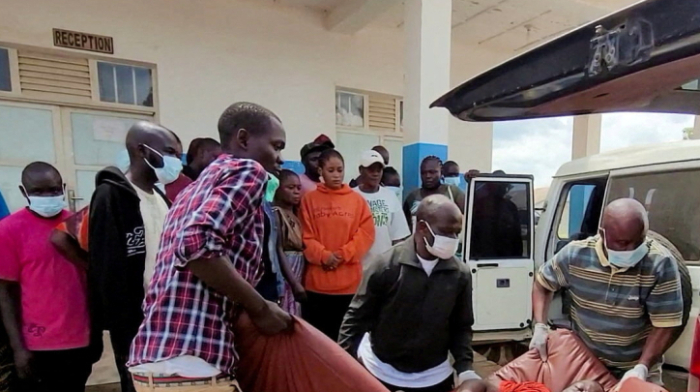
The World Health Organisation’s designation of the Bundibugyo Ebola virus outbreak as a Public Health Emergency of International Concern (PHEIC) is a stark reminder that Ebola remains a persistent global health threat rather than a disease of the past.
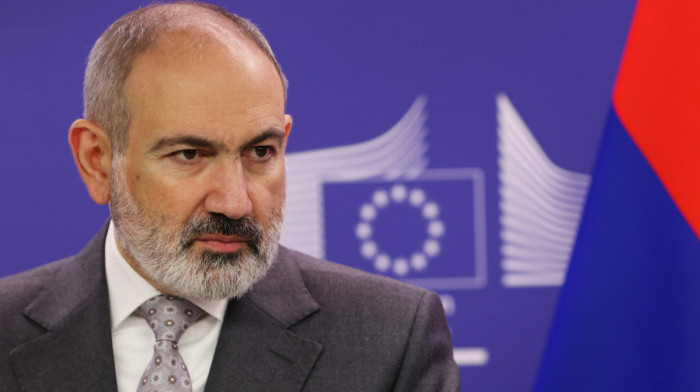
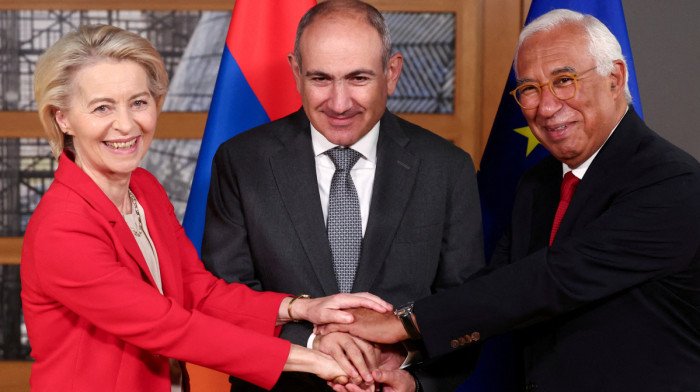
When Armenians vote on 7 June, they will be voting in an election shaped by months of political change and a rapidly deepening relationship with the European Union. The result may not only determine who governs Armenia but also the future direction of the country's geopolitical alignment.
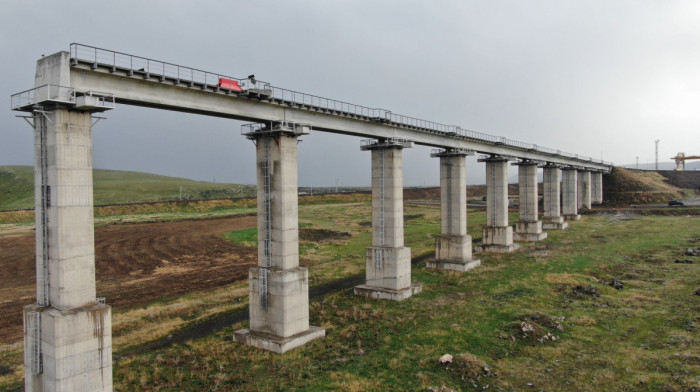
The Baku-Tbilisi-Kars (BTK) railway will resume operations on 2 June after extensive modernisation works. Officials from Azerbaijan, Georgia and Türkiye are set to gather in Akhalkalaki for a launch event marking the reopening of one of the Middle Corridor's most important transport links.
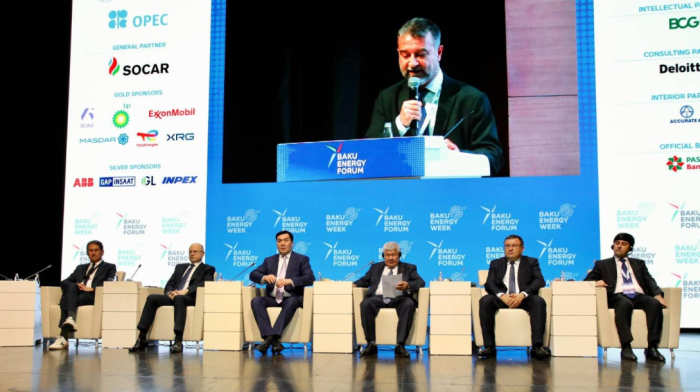
Kazakhstan is open to expanding its oil export routes through Azerbaijan and advancing joint energy infrastructure projects across the Caspian region, Energy Minister Yerlan Akkenzhenov told AnewZ in an exclusive interview in Baku.
Russia's Foreign Ministry spokeswoman Maria Zakharova praised Georgia for resisting Western pressure (30 May), defending its national interests and pursuing a "multi-vector foreign policy" - language that closely mirrors the rhetoric of the ruling Georgian Dream party.
As Armenia approaches parliamentary elections, Russia appears to be increasing political and economic pressure on Yerevan, signalling that closer integration with the EU could lead to significant changes in labour, transport and energy arrangements between the two countries.
You can download the AnewZ application from Play Store and the App Store.
What is your opinion on this topic?
Leave the first comment