




11:16 CET
Nuclear security
Georgia arrests man over attempted $700,000 uranium sale
Georgia has detained a man ...
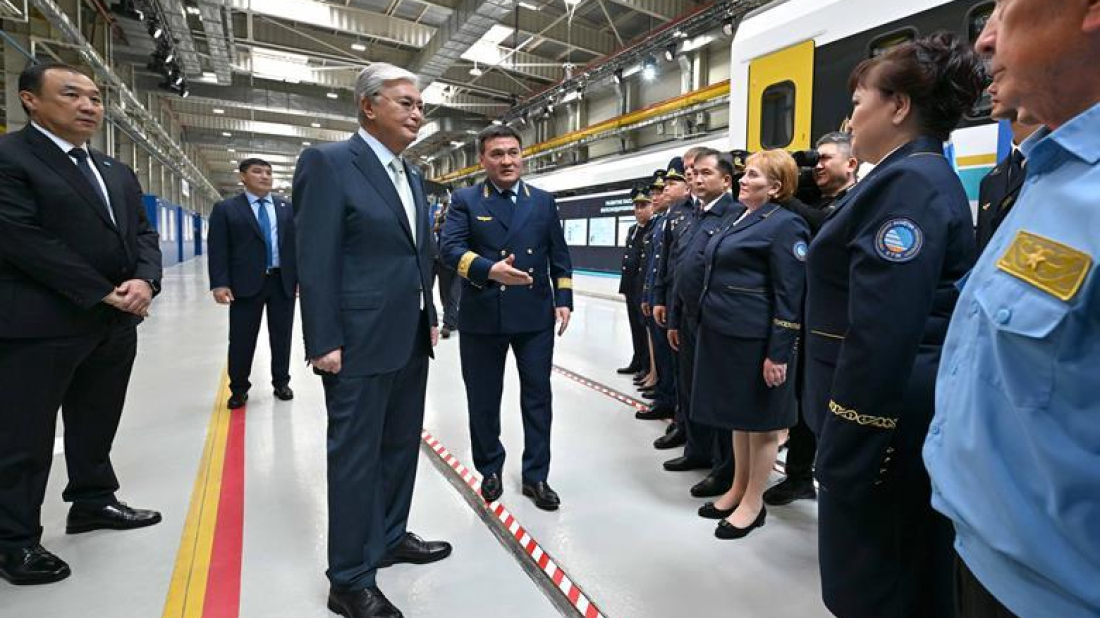


Stadler has launched the production of passenger railcars in Kazakhstan and presented the first completed unit to the country’s President Kassym-Jomart Tokayev during his visit to the plant in Astana.
The project is being implemented under a contract signed with Kazakhstan Temir Zholy (KTZ) in early 2023. According to the agreement, KTZ will receive 557 passenger railcars of various types by 2030.

Manufacturing is taking place at the upgraded Stadler Kazakhstan facility, formerly known as the Tulpar plant. The site currently employs over 400 specialists, with that number expected to grow as production scales up.
The assembly process includes body welding, painting, bogie installation, electrical wiring, interior fitting, and both static and dynamic testing to ensure high quality and safety standards.
Greater localization will reduce reliance on imports and support the development of related industries. Stadler is also investing in staff training and adapting its technologies to local standards.
In 2025, Stadler plans to deliver 51 railcars, maintaining a production pace that will support the timely fulfillment of contractual obligations and significantly enhance KTZ’s passenger transport capacity.

In 2022, Stadler won an international tender and was selected as a partner for the passenger train production project in Kazakhstan. Within the framework of this project, the level of local production will gradually increase, starting from 9.4% in 2025 and reaching 35.2% by 2029.
Stadler views this project not only as a domestic order but also as a gateway to expansion across Eurasian markets. The railcars produced in Kazakhstan could be offered to other countries in the region, marking an important step in the company’s regional growth strategy.
The Kazakh President announced that 125 railway stations are currently under reconstruction nationwide. Together with international partners, the country is implementing projects to enhance service quality and improve transport connectivity.

Georgia has detained a man ...
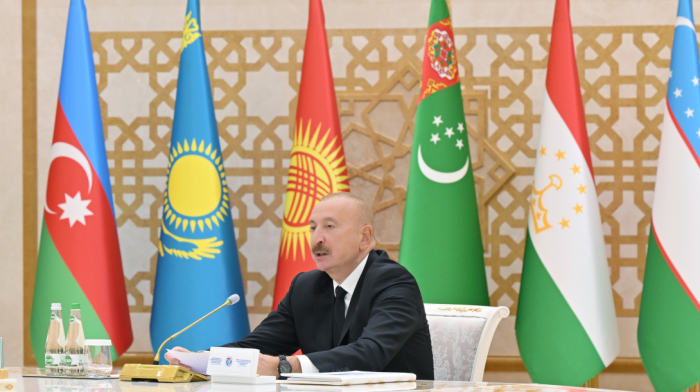
Azerbaijan and the five Central Asian states have signed two key documents at the 8th Consultative Meeting of Heads of State in Turkmenbashi, forma...
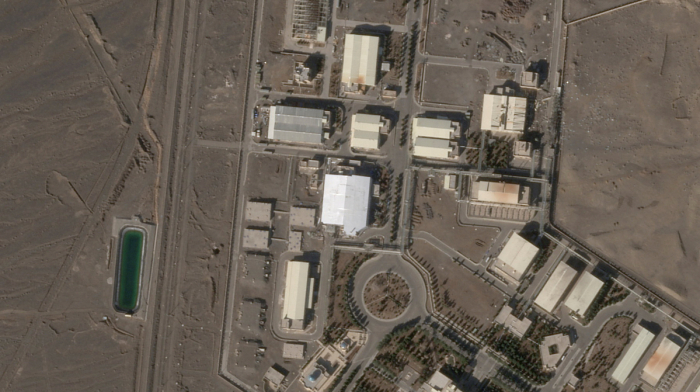
U.S. Vice President JD Vance told Reuters on Monday (5 October) that ...

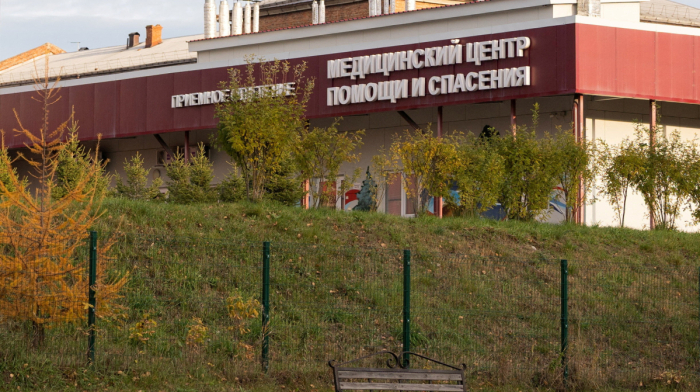
Russia's health watchdog said on Tuesday that no cases of plague had been detected among anyone who had come into contact with a Siberian plague institute laboratory worker who died last week, and locals said their lives had barely been disrupted.

Russia struck Ukraine overnight in one of the biggest attacks of the conflict, killing at least 19 people, Kyiv's Foreign Ministry said on Wednesday. Around 70 missiles were fired at Ukraine during the attack, as well as drones, the Ministry said.
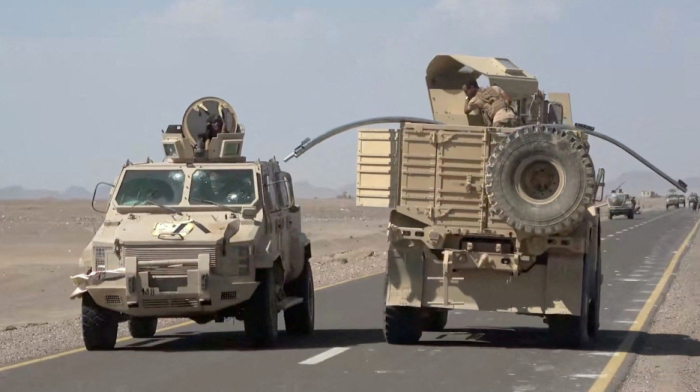
The Saudi-led coalition says it has carried out a series of military operations against Houthi targets in Yemen after attacks on two Saudi airports left three people dead and dozens injured.
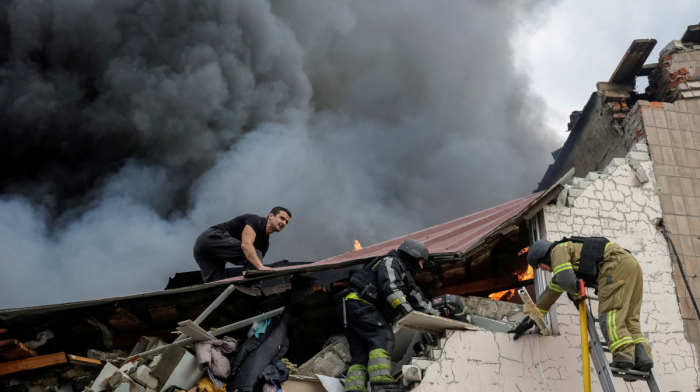
A large Ukrainian drone attack on Moscow and the surrounding region has killed two people, damaged homes and sparked a major fire at a key fuel facility, according to Russian officials and military bloggers.
Azerbaijan and the five Central Asian states have signed two key documents at the 8th Consultative Meeting of Heads of State in Turkmenbashi, formalising a broader framework for regional cooperation in transport, trade, energy, digitalisation and security.
Georgia has detained a man who planned to sell uranium-238 to a foreign national for $700,000, the national security service said on Wednesday.
Azerbaijan and the five Central Asian states have signed two key documents at the 8th Consultative Meeting of Heads of State in Turkmenbashi, formalising a broader framework for regional cooperation in transport, trade, energy, digitalisation and security.
U.S. Vice President JD Vance told Reuters on Monday (5 October) that Iran must make a “meaningful” reduction in its uranium enrichment capacity to satisfy U.S. demands and end the countries' seven-month war.
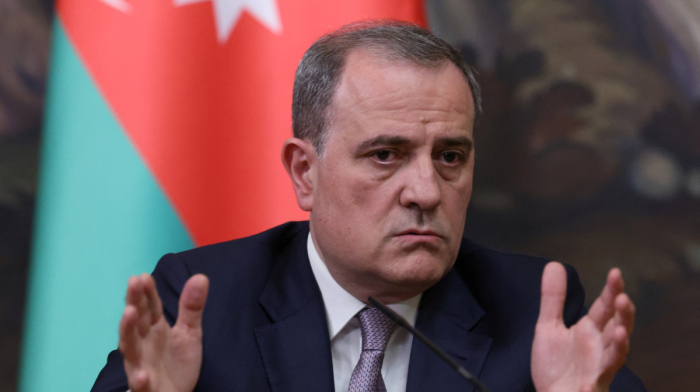
Azerbaijan’s Foreign Minister Jeyhun Bayramov has called for further integration of infrastructure between regional countries to bolster the Middle Corridor trade and logistics network.
The Saudi-led coalition says it has carried out a series of military operations against Houthi targets in Yemen after attacks on two Saudi airports left three people dead and dozens injured.
You can download the AnewZ application from Play Store and the App Store.




What is your opinion on this topic?
Leave the first comment