Iran lays down pre-conditions for end to Israel-US war
Iran’s President Masoud Pezeshkian has set recognition of Tehran’s inalienable rights, payment of war ...
Iran and Uzbekistan have signed a memorandum of understanding (MOU) aimed at expanding bilateral cooperation in transit and logistics infrastructure, marking a significant step in strengthening regional trade routes.
The agreement was formalized in a ceremony attended by Iranian Minister of Transport and Urban Development Farzaneh Sadegh, Uzbek Minister of Transport Ilkhom Rustamovich Makhkamov, and Saeed Rasouli, head of Iran’s Ports and Maritime Organization (PMO).
Under the MOU, the two sides will facilitate the development of a dedicated terminal and logistics center for Uzbek trade at Shahid Rajaee Port, Iran’s largest and most strategically important port located on the southern coast by the Persian Gulf.
Key provisions include:
The agreement aligns with both nations’ efforts to strengthen East-West and North-South transit networks, with Iran offering access to maritime trade routes and Uzbekistan seeking greater logistical integration with global markets.
The move is also seen as complementary to ongoing regional transport initiatives, such as the International North–South Transport Corridor (INSTC) and China’s Belt and Road Initiative, in which both countries have shown active interest.
Analysts view the MOU as a pragmatic advancement in regional logistics, offering landlocked Uzbekistan a reliable route to global markets via Iran’s southern ports, while giving Tehran a larger role in Central Asian trade dynamics.
The 32 countries belonging to the Internatioanl Energy Agency agreed to release 400 million barrels of oil on Wednesday (11 March), in efforts aimed at bringing down the price of crude oil, which has soared since fighting between Iran, Israel and the U.S. started at the end of February.
Iran should continue ‘blocking the Strait of Hormuz’, Iran's new Supreme Leader Mojtaba Khamenei, said in his first speech since being elected on Thursday. His words were read out by a broadcaster on state Iranian television. Khamenei has still yet to be seen in public since his election.
A towering lava fountain from Kilauea shot about 400 metres into the air late on Tuesday (11 March) on Hawaii Island, prompting temporary closures at Hawaii Volcanoes National Park and part of a key highway as volcanic ash and debris fell over nearby areas.
Norwegian police apprehended three brothers suspected of carrying out Sunday's (8 March) bombing at the U.S. embassy in Oslo, in an attack investigators have branded an act of terrorism.
More than 68,000 children in eastern Afghanistan have been displaced after clashes between Afghan and Pakistani forces intensified along the border, according to a new report by Save the Children.
International security and climate change are top of the agenda as leaders and policymakers from around the world meet at the 13th Global Baku Forum in the Azerbaijani capital this week.
Fifteen Turkish-owned vessels remain stranded in the blockaded Strait of Hormuz, Türkiye’s Transport and Infrastructure Minister Abdulkadir Uraloğlu said on Wednesday.
New Iranian Supreme Leader Mojtaba Khamenei has said Iran should continue ‘blocking the Strait of Hormuz’ in his first statement since his election, read out on Iranian State television on Thursday (12 March).
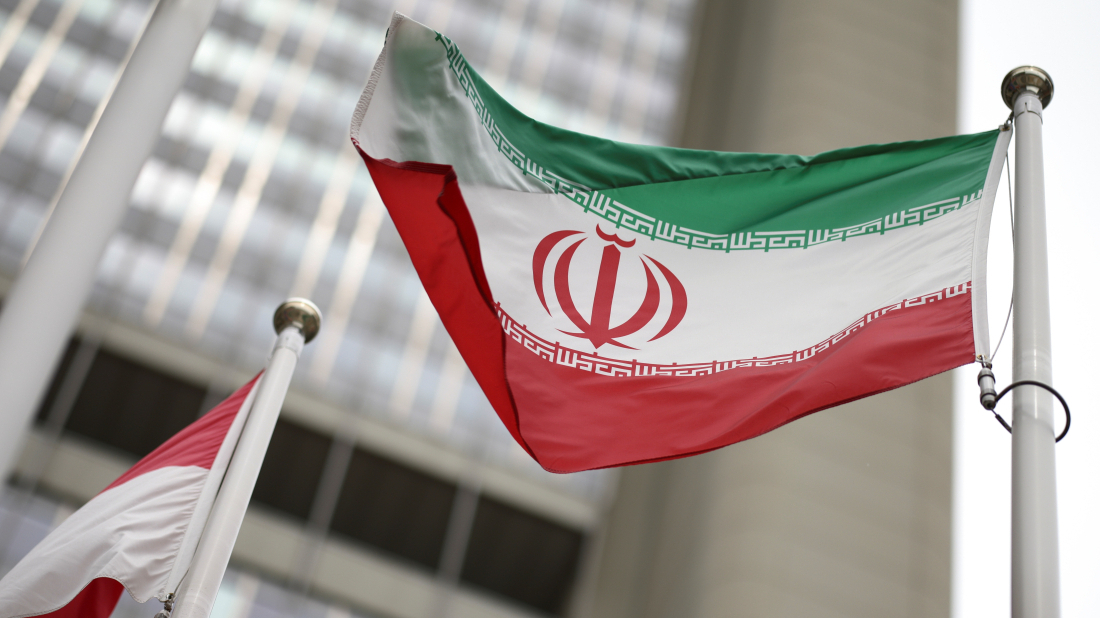
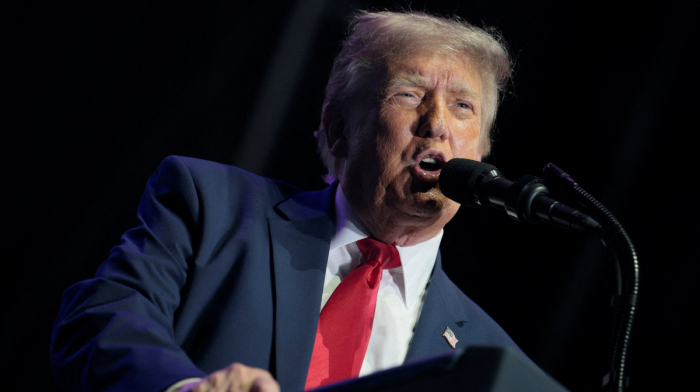
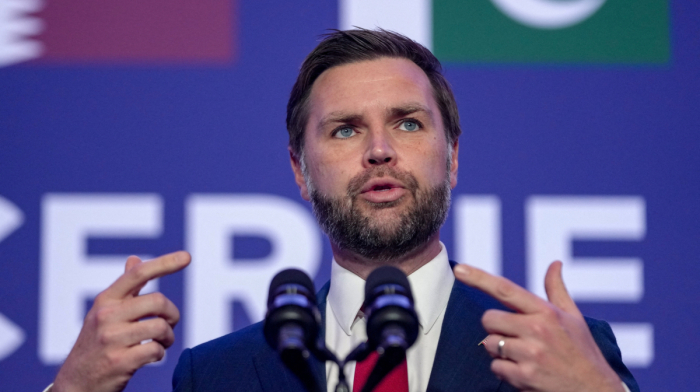
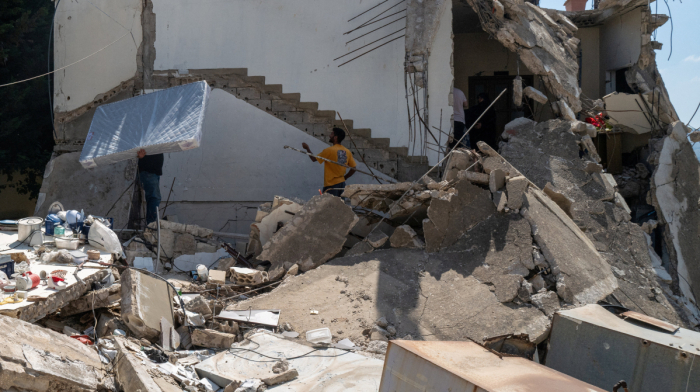
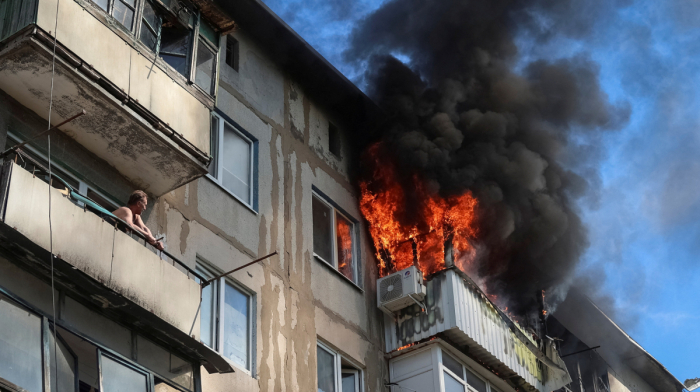
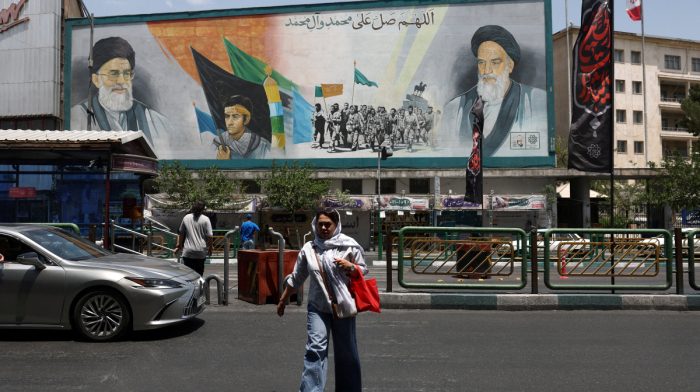
Iran’s President Masoud Pezeshkian has set recognition of Tehran’s inalienable rights, payment of war compensation, and international guarantees against any future invasion as conditions for ending the U.S.–Israel war with the Islamic Republic.
Iran should continue ‘blocking the Strait of Hormuz’, Iran's new Supreme Leader Mojtaba Khamenei, said in his first speech since being elected on Thursday. His words were read out by a broadcaster on state Iranian television. Khamenei has still yet to be seen in public since his election.
You can download the AnewZ application from Play Store and the App Store.
What is your opinion on this topic?
Leave the first comment