live Missile fire continues across the Middle East - Day 12 of the conflict, Wednesday 11th March
Iran and Israel continue to exchange missile and drone strikes across the Middle East - all the latest updates throughout the day on AnewZ...
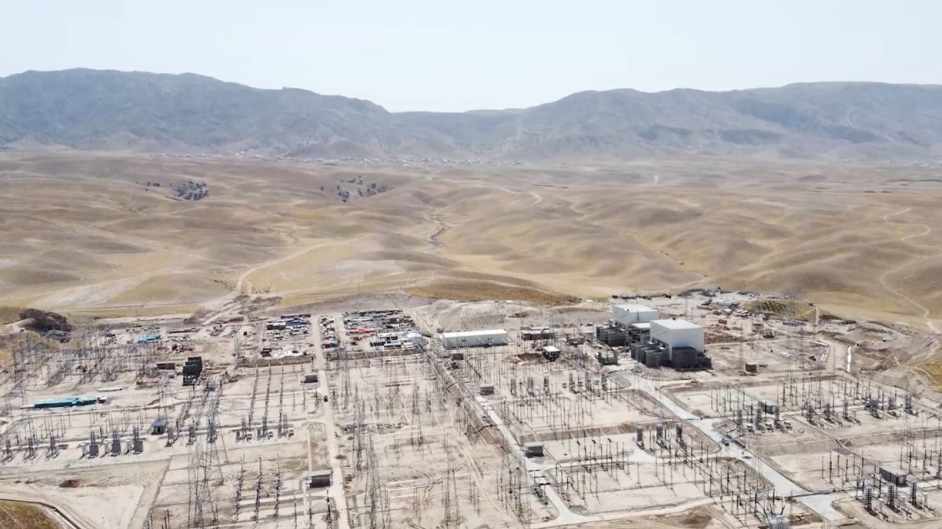
A high-level Afghan delegation led by Da Afghanistan Breshna Sherkat CEO Dr. Abdul Bari Omar arrived in Tajikistan to take part in a key meeting on the CASA 1000 energy project, joining regional and international partners to accelerate progress on the major cross-border power initiative.
A high-ranking delegation led by Dr. Abdul Bari Omar, CEO of Afghanistan’s Electricity Company (Da Afghanistan Breshna Sherkat), arrived in Tajikistan to participate in a key meeting on the CASA 1000 regional power transmission project. The discussions, held in Dushanbe, brought together representatives from Tajikistan, Kyrgyzstan, Afghanistan, Pakistan, the World Bank, the Islamic Development Bank, and other international institutions to review the project’s progress, address challenges, and outline plans to accelerate its implementation.
The CASA 1000 project, one of the largest energy transmission initiatives in the region, aims to transfer surplus electricity from Central Asia to South Asia via Afghanistan. Beyond enhancing economic cooperation, the project is seen as a vital step toward strengthening political ties and fostering sustainable development in the region. Da Afghanistan Breshna Sherkat has reaffirmed its commitment to completing the project as soon as possible with support from the World Bank.
During the visit, Dr. Omar met with Tajikistan’s Energy Minister, Daler Juma, to discuss the CASA 1000 project as well as broader cooperation in energy transmission and economic development. Minister Juma welcomed the Afghan delegation, emphasizing Tajikistan’s satisfaction with collaborating with Afghanistan, a neighboring nation, in critical areas such as energy, stability, and security. Dr. Omar expressed gratitude for the invitation and highlighted Afghanistan’s shared cultural and economic ties with Tajikistan, noting Afgjqmistan’s efforts to foster strong relations with the international community, particularly neighboring Islamic countries.
The Afghan delegation also provided detailed insights into major energy opportunities and infrastructure developments underway in Afghanistan. Both sides concluded the meeting by reaffirming their commitment to deepening cooperation in the energy sector for regional stability and progress.
As part of the visit, participants are scheduled to tour the Sangtudeh converter station, a key component of the CASA 1000 project, further underscoring the collaborative efforts to advance this transformative initiative.

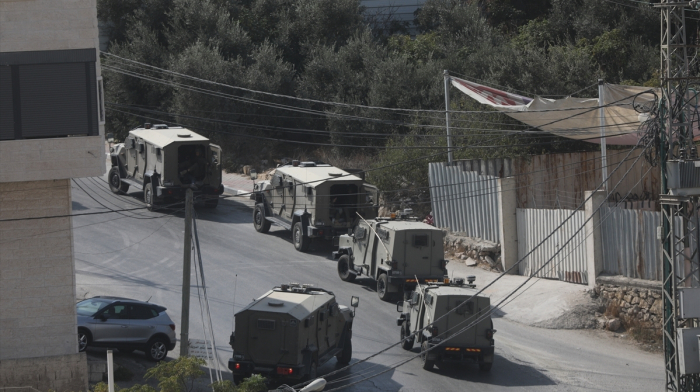
Tensions in the region remained high on Tuesday (10 March), as the United States and Iran exchanged increasingly sharp warnings, including threats over the strategic Strait of Hormuz, a critical artery for global oil supplies.
China has urged Afghanistan and Pakistan to resolve their dispute through dialogue after Chinese envoy Yue Xiaoyong met Afghan Foreign Minister Amir Khan Muttaqi, as fighting between the two neighbours entered its eleventh day.
Entry and exit across the state border between Azerbaijan and Iran for all types of cargo vehicles, including those in transit, will resume on 9 March, according to a statement by the Cabinet of Ministers of Azerbaijan.
Iranian civilian and military officials have pledged their obedience to the new leader, Ayatollah Seyed Mojtaba Khamenei, with President Masoud Pezeshkian saying his leadership “will herald a new era of dignity and authority for the Iranian nation.”.
Kazakhstan has evacuated more than 7,300 citizens from the Middle East since regional tensions escalated, using both air and land routes to bring nationals home while closely monitoring political developments and potential economic effects linked to rising oil prices.
Tensions are rising in the South Caucasus after a reported strike near Azerbaijan’s Nakhchivan exclave, fuelling fears that instability linked to Iran could spill into the region, Dr. Erik Rudenskjold speaks to AnewZ.
Iran and the U.S. exchanged threats on Tuesday, as U.S. Defense Secretary Pete Hegseth warned Tehran to expect the “most intense day" of attacks so far. Meanwhile, Iranian President Masoud Pezeshkian said “anyone who entertains the illusion of destroying Iran knows nothing of history."
The Strait of Hormuz has become a focal point of global concern as tensions rise following the conflict involving Iran, the United States and Israel. Tehran has threatened to block the strategic waterway, raising fears of disruption to global oil shipments and energy markets.
Reports of so-called “acid clouds” moving from Iran towards Central Asia are not supported by scientific data, national hydrometeorological services in Kazakhstan, Uzbekistan and Kyrgyzstan say, adding there is no threat to the region.
A senior delegation from the OSCE Parliamentary Assembly has been holding meetings with Georgian government officials, opposition leaders and security authorities this week, as international observers attempt to gauge the country’s political climate following last year’s contentious elections.
You can download the AnewZ application from Play Store and the App Store.
What is your opinion on this topic?
Leave the first comment